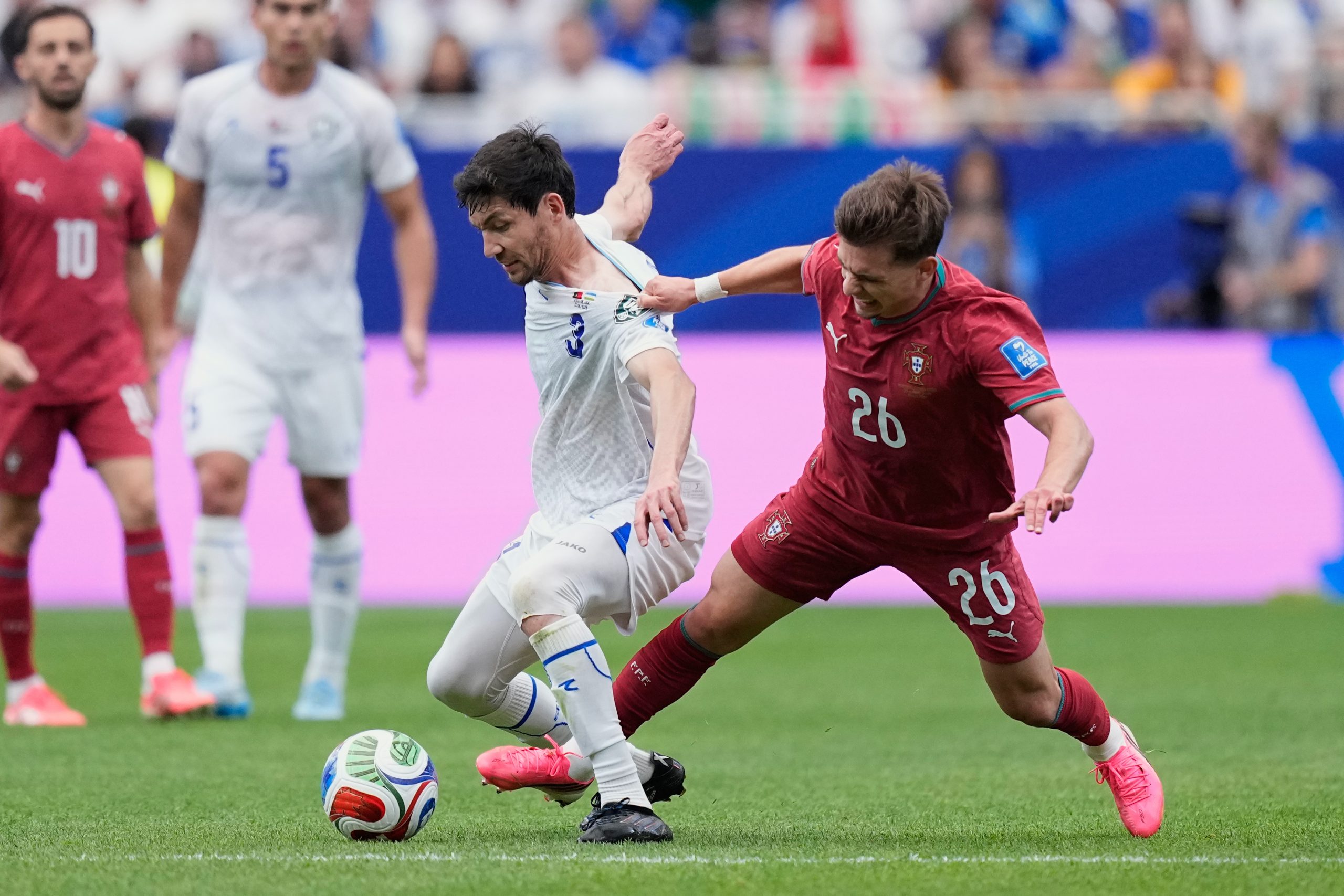
How coach Mauricio Pochettino made believers out of the U.S. World Cup team

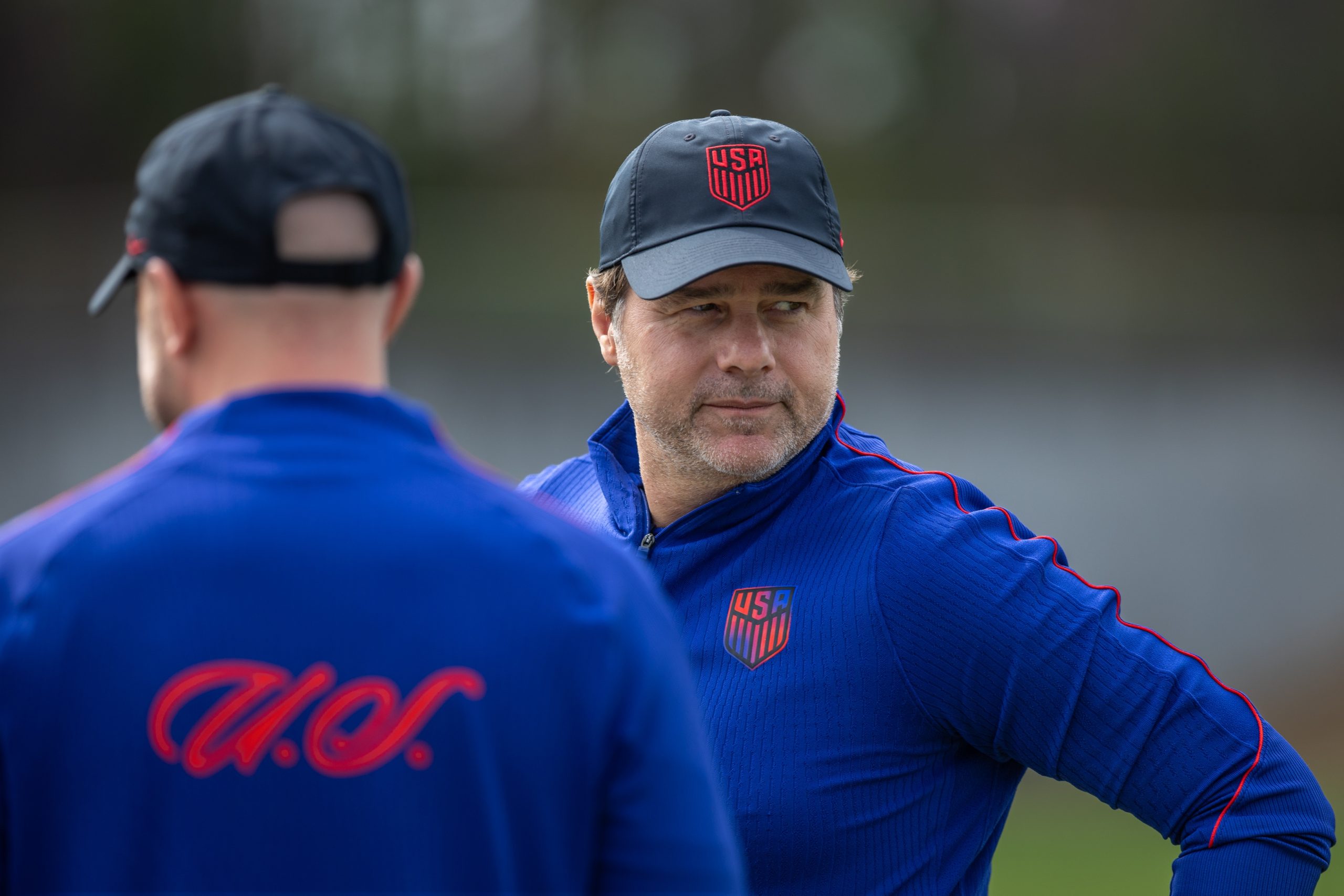
How Coach Mauricio Pochettino Transformed the U.S. World Cup Team
How coach Mauricio Pochettino made believers – When Mauricio Pochettino accepted the role of U.S. Men’s National Team head coach in 2024, it marked a pivotal shift in the trajectory of American soccer. The decision came after years of perceived stagnation, during which the U.S. had long been viewed as a “sleeping giant” — a nation with the demographic and financial potential to rival global powerhouses but struggling to translate that into consistent success on the international stage.
Pochettino’s career had already spanned continents and decades. As a player, he competed in top-tier leagues across Spain and France, earning a place on the Argentinian national team during the 2002 FIFA World Cup. Transitioning to coaching, he led clubs like Tottenham Hotspur, Paris Saint-Germain, and Chelsea, where he worked alongside legends such as Harry Kane, Lionel Messi, and Kylian Mbappé. His reputation for tactical innovation and leadership made him a sought-after figure in the soccer world, yet the U.S. coaching position was considered a less prestigious opportunity compared to his previous roles.
The 2026 FIFA World Cup, held on American soil, presented a unique chance to rewrite the narrative. For years, the U.S. had been overshadowed by teams from Europe and South America, but hosting the tournament offered an opportunity to showcase domestic talent and elevate the national team’s global standing. However, the path to redemption was fraught with challenges. In the summer of 2024, just two years before the World Cup, the U.S. squad had been humbled by a surprise exit from the Copa América, a result that sparked a coaching change and set the stage for Pochettino’s arrival.
Upon taking the helm, Pochettino faced a team that was not only struggling on the field but also grappling with a culture of complacency. Players, many of whom had been with the squad for years, seemed unenthusiastic about the upcoming tournament. This mindset concerned the Argentine coach, who had grown up in a country where representing the national team was a source of immense pride. “In Argentina, a player doesn’t choose which game to go to,” he said shortly after joining the team. “The Argentinian player takes every call-up as though it’s the World Cup Final and as though it’s his last ever opportunity.” He aimed to instill that same urgency in his new charge.
Pochettino’s approach to rebuilding the roster was both aggressive and methodical. Over the course of 18 months, he organized nearly a dozen training camps and international competitions, testing over 70 players in an effort to identify fresh talent. Unlike traditional coaching models, he emphasized equal opportunity, ensuring that even the most inexperienced or lesser-known athletes had a chance to prove themselves. This strategy was tested early in 2025, when the team suffered a string of disappointing results: a 0-1 loss to Panama, a 1-2 defeat to Canada, a 1-2 setback against Turkey, and a 0-4 rout by Switzerland. These performances cast doubt on the team’s ability to make a deep run in the World Cup.
Amid the struggles, a rift emerged between Pochettino and several players, including star winger Christian Pulisic. The disagreement centered on whether the squad should prioritize rest or maintain intensity before key tournaments. This tension culminated in Pulisic and others being excluded from the Gold Cup roster, a move that highlighted the coach’s willingness to make tough decisions. Despite the setbacks, Pochettino remained steadfast in his philosophy. “When building toward something, the process may not always look pretty,” he explained in a press conference a year prior. “It’s hard work and slow work, also — as many have said, the work of an ant, little step, little step.”
Yet, Pochettino’s efforts began to yield results. His roster reshuffling introduced a wave of new players, including standout defenders like Alex Freeman and goalkeeper Matt Freese, who quickly became integral to the team’s identity. These additions not only strengthened the squad but also fostered a renewed sense of unity and competition. “Culture improves through winning, culture improves through competition,” said midfielder Tyler Adams, reflecting on the impact of Pochettino’s approach. “Bringing in players that hadn’t been in the fold and competing to make sure no one’s getting comfortable is something we had to do — not learn, but embrace. Everyone feels included, and that’s important.”
As the World Cup approached, the U.S. team’s transformation became evident. The once-complacent squad had evolved into a more cohesive unit, driven by Pochettino’s vision and the collective will to succeed. While the road had been rocky, the coach’s commitment to redefining the national team’s culture had laid the groundwork for a new era. The unbeaten streak that followed in the fall of 2025 was a testament to the progress made, signaling that the U.S. was no longer just a contender — but a team with the potential to make history.
A Coach’s Vision for Change
Pochettino’s tenure with the U.S. Men’s National Team has been defined by his focus on development and psychological resilience. He recognized that talent alone wasn’t enough; the team needed a cultural shift to match the intensity of its competition. “The players here have always been good, but they needed to believe in themselves more,” he said during a recent interview. “Belief is the difference between a good team and a great one.”
This belief was not just a platitude — it was a driving force behind his training methods and selection criteria. By rotating the squad frequently and challenging established stars, Pochettino forced a competitive environment where every player had to earn their place. The strategy paid off in unexpected ways, as younger talents rose to prominence and veterans adapted to a more demanding standard. “It’s about creating a culture where people don’t take their positions for granted,” Adams added. “Everyone has to fight for their spot, and that makes the group stronger.”
The coach’s influence extended beyond the field, shaping the way the team approached the World Cup. His emphasis on preparation and adaptability helped the U.S. navigate the complexities of a home-hosted tournament, where every match carried the weight of national expectations. While the journey had been arduous, the results were beginning to speak for themselves. Pochettino’s belief in the team’s potential, combined with his ability to forge a cohesive unit, suggested that the “sleeping giant” was finally starting to wake up.
As the 2026 World Cup approached, the U.S. team stood as a symbol of progress. The once-doubtful squad had been transformed into a group that embodied the spirit of competition and the promise of a new chapter. With Pochettino at the helm, the dream of a historic run was no longer a fantasy — it was a reality in the making.