
How to Live an Eco-Conscious Life: Simple Daily Habits
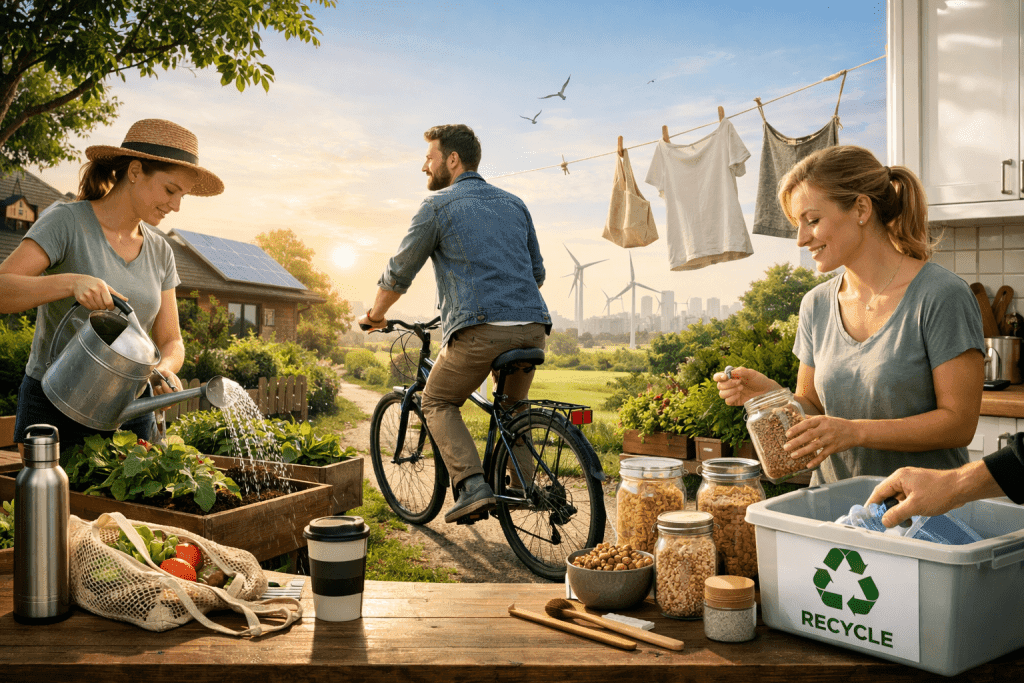
Living sustainably does not require a perfect lifestyle, expensive products, or extreme sacrifices. The real answer to how to live an eco-conscious life is to build simple daily habits that reduce waste, cut energy use, and lower your overall environmental footprint—without making your life harder. Small actions done consistently matter more than big changes done once. When you focus on what you do every day, you naturally create a lifestyle that is healthier, cheaper, and more responsible.
An eco-conscious life is not about being “zero impact,” because that is unrealistic for most people. It is about being aware of how your choices affect the planet and choosing better options whenever you can. The most effective approach is to prioritize habits that you can maintain long-term, especially those related to consumption, food, transportation, and household energy.
Start With the Mindset: Reduce Before You Replace
Many people start sustainability by buying “eco-friendly” products, but that is not the most effective strategy. The best way to reduce environmental impact is to consume less, not just consume differently. This is why the first step in how to live an eco-conscious life is learning to reduce unnecessary purchases.
A simple habit is to pause before buying anything new and ask whether you truly need it. If you do need it, the next question is whether you can borrow, repair, or buy secondhand. These choices reduce demand for new manufacturing, which is one of the biggest drivers of emissions and resource extraction.
Another key habit is avoiding impulse buying, especially with fast fashion, cheap gadgets, and disposable household items. Many products are designed to wear out quickly, forcing you to buy again. Choosing fewer but better-quality items is often cheaper in the long run and creates less waste.
Eco-conscious living also includes being honest about convenience. Convenience often comes with hidden environmental costs such as packaging, shipping emissions, and landfill waste. You do not need to remove convenience entirely, but you should learn when it is worth the trade-off.
Build Low-Waste Daily Habits at Home
Household waste is one of the easiest areas to improve because your daily routine creates predictable patterns. The goal is not perfection, but consistent reduction. When people ask how to live an eco-conscious life, waste reduction is usually the most visible and practical starting point.
Start with the basics: use what you already own before buying replacements. For example, you do not need to replace every plastic item in your home with bamboo alternatives immediately. The more sustainable option is to keep using what you have until it wears out, then replace it with a better alternative.
Focus on the biggest sources of household waste first. These usually include single-use packaging, food containers, plastic bags, and disposable cleaning supplies. Switching to reusable shopping bags, refillable bottles, and reusable containers can reduce waste quickly without major lifestyle changes.
Another powerful habit is to set up a simple recycling and sorting system. Many people want to recycle but fail because their system is inconvenient. Put clearly labeled bins in the places where waste is actually created, such as the kitchen and workspace.
Composting is also worth considering if you have access to a compost program or backyard composting space. Food waste produces methane when it decomposes in landfills, and methane is far more potent than carbon dioxide. Even small composting habits can reduce your climate impact while improving soil health.
Eat More Sustainably Without Extreme Diet Rules
Food is one of the most important areas of sustainability, but it is also where people become overwhelmed. You do not need to follow a strict diet to live responsibly. A realistic answer to how to live an eco-conscious life is to make small, consistent improvements in how you eat and shop.
The first habit is reducing food waste. Plan meals before shopping, store food properly, and use leftovers intentionally. Food waste is not just wasted food—it is wasted water, farmland, transportation emissions, and energy used in production.
The second habit is eating more plant-based meals, even if you are not vegetarian. Animal agriculture, especially beef and lamb, generally has a much higher environmental footprint than plant-based foods. You do not need to quit meat entirely, but reducing it a few times per week makes a meaningful difference.
Another helpful habit is choosing seasonal and local foods when possible. Seasonal produce usually requires less energy for long-distance shipping or artificial growing conditions. Local options also often reduce transport emissions, although the biggest impact still comes from the type of food, not just the distance.
Packaging is another key factor. Buying loose produce, using reusable produce bags, and choosing products with minimal packaging can reduce plastic waste significantly. If you shop at places that allow refills, you can also reduce packaging for dry goods, spices, and household essentials.
Save Energy and Water With Invisible Daily Changes
Many of the most powerful eco-conscious habits are invisible. They do not change your lifestyle much, but they reduce your energy and water usage every day. If you want a practical approach to how to live an eco-conscious life, household efficiency is one of the highest-impact areas.
Start with lighting and electronics. Use LED bulbs, turn off lights when leaving a room, and unplug devices that draw power when not in use. These small changes can reduce energy bills while lowering demand on power grids.
Heating and cooling are often the biggest household energy expenses. A simple habit is adjusting your thermostat by one or two degrees and using fans or layering clothes instead of relying entirely on air conditioning or heating. If you have access to insulation upgrades, sealing gaps around doors and windows can also reduce energy waste.

Water-saving habits are just as important. Take shorter showers, fix leaks quickly, and avoid leaving water running while brushing your teeth or washing dishes. These actions may seem small, but water treatment and pumping require energy, so water savings also reduce emissions.
Laundry is another overlooked area. Washing clothes in cold water and air-drying when possible reduces energy use and helps clothes last longer. This also connects to sustainability through fashion, because longer-lasting clothing reduces demand for new production.
Choose Greener Transportation and Travel Options
Transportation is one of the largest contributors to carbon emissions in many countries. While not everyone can change their commute easily, small decisions can still reduce impact. A realistic method for how to live an eco-conscious life is to improve transportation habits gradually instead of aiming for instant transformation.
If possible, walk, bike, or use public transportation for short trips. Many car trips are less than a few kilometers, which means they could be replaced with a lower-impact option. Even replacing one or two car trips per week adds up over time.
Carpooling is another practical habit, especially for commuting or school drop-offs. Sharing one vehicle reduces emissions per person and often saves money on fuel. If you drive, keeping your tires properly inflated and avoiding aggressive acceleration can also improve fuel efficiency.
For longer-distance travel, consider reducing the number of flights you take per year. Aviation has a high emissions footprint, and frequent flying is one of the fastest ways to increase your environmental impact. If you must fly, combining trips and staying longer can reduce the overall footprint compared to multiple short flights.
Eco-conscious travel is also about consumption during travel. Choose accommodations that reuse towels, reduce waste, and use energy-efficient systems. Avoid unnecessary single-use items such as mini toiletries, bottled water, and disposable utensils.
Shop and Spend Like an Eco-Conscious Person
Your spending habits shape industries. Every purchase is a signal to the market about what people want, and businesses respond to demand. This is why shopping is central to how to live an eco-conscious life, even if you are not trying to be an activist.
The most important habit is buying less overall. When you buy fewer things, you reduce manufacturing emissions, shipping, packaging, and landfill waste. Minimalism and eco-conscious living overlap strongly, but you do not need to be a minimalist to consume responsibly.
When you do buy, prioritize durability and repairability. Choose items that can be fixed instead of replaced, such as shoes that can be resoled, appliances with replaceable parts, and clothing made with strong stitching. This habit reduces waste and usually saves money long-term.
Secondhand shopping is one of the best eco-friendly options for clothing, furniture, and electronics. It extends the life of products and reduces demand for new production. Even buying secondhand occasionally can significantly lower your footprint.
Be cautious with “green marketing.” Many products are labeled as sustainable without meaningful evidence. Look for clear certifications, transparent materials, and honest sourcing information. If a brand uses vague language without proof, treat it as a warning sign.
Conclusion
The most realistic way to understand how to live an eco-conscious life is to focus on daily habits that reduce consumption, cut waste, and improve efficiency. You do not need perfection, and you do not need to overhaul your entire lifestyle overnight. When you build consistent habits around what you buy, what you eat, how you use energy, and how you travel, you create a lifestyle that is genuinely sustainable and easier to maintain long-term.
FAQ
Q: What is the simplest first step in how to live an eco-conscious life? A: Reduce unnecessary buying and avoid single-use items, because consumption is the biggest driver of waste and emissions.
Q: Do I need to go fully vegan to live sustainably? A: No. Eating more plant-based meals and reducing food waste can make a major impact without strict diet rules.
Q: Is recycling enough to be eco-conscious? A: No. Recycling helps, but reducing and reusing are more effective because they prevent waste before it exists.
Q: How can I be eco-conscious if I have a busy lifestyle? A: Focus on habits that require little effort, such as using reusables, cutting food waste, and reducing energy use at home.
Q: Does buying “eco-friendly” products automatically help the environment? A: Not always. The most sustainable option is often buying less and using items longer, not replacing everything with new alternatives.
