
Slow genocide: Death and displacement continue in Gaza months into ceasefire
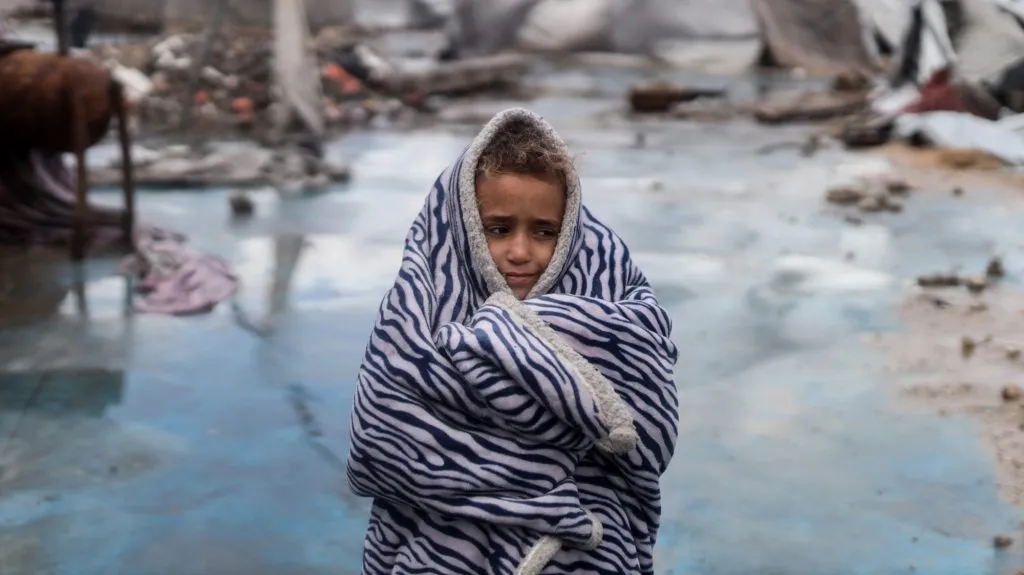
Slow Genocide: Death and Displacement Continue in Gaza Months into Ceasefire
Medical Crises Persist Amid Ceasefire
Although the ceasefire halted most bombing campaigns, it has not curbed the relentless progression of diseases like cancer among Palestinians. Najat Sayed al-Hessi, a 61-year-old resident of Gaza, has endured 27 months without access to her monthly cancer treatments, a situation that reflects broader systemic failures.
“Nothing has changed for cancer patients in Gaza since the ceasefire,” al-Hessi explained to Middle East Eye, highlighting the unyielding spread of the disease.
Her journey to seek care was disrupted on 7 October 2023, the day hostilities began, when she missed her scheduled trip to Ramallah. Since then, she has remained in a makeshift tent in Deir al-Balah, unable to receive the treatment she urgently needs.
The war’s toll on Gaza’s health infrastructure has left medical facilities struggling to provide basic care. Referrals for treatment outside the enclave have ceased, and hospitals lack the resources to address even fundamental conditions like osteoporosis or slipped discs.
Hope for Respite Fades
Residents initially anticipated the October ceasefire as a step toward recovery, but Israeli restrictions on movement, aid, and goods have sustained the suffering. For many, the conflict has transitioned from a violent onslaught to a prolonged, insidious crisis.
“For those like me, the pause in fighting has brought no pause in suffering,” al-Hessi said, echoing the plight of thousands who face similar challenges.
Gaza is home to approximately 11,000 cancer patients, with around 3,500 holding referrals for treatment abroad. However, Israeli authorities have blocked their exit, rendering these referrals ineffective. Al-Hessi’s own referral, issued six months ago, has been futile due to closed borders.
During a recent visit to her local clinic, she found no medications available for her back pain, leaving her without relief for her osteoporosis and slipped disc. “I asked for anything—vitamins, even—but they said there was nothing for my condition,” she recounted.
Rising Mortality Rates
The Palestinian health ministry reported critical shortages in Gaza’s medical supplies, citing a 56% decline in essential drugs, 68% reduction in medical consumables, and 67% shortage of laboratory materials. Screening services have also collapsed, preventing patients from tracking the spread of their illnesses.
“The last time I saw a doctor, he told me the cancer may have reached my lungs. I am dying slowly,” al-Hessi said, underscoring the grim reality faced by many.
Dr. Muhammad Abunada, director of Gaza’s Cancer Centre, noted a 70% shortfall in cancer drugs and painkillers. “The remaining 30% are largely ineffective, as patients require multiple medications to manage their conditions,” he explained. This scarcity has driven up mortality rates, with cancer deaths now occurring at twice or thrice the pre-war pace.
Research indicates that the mortality surge extends beyond cancer patients. Unicef data reveals a 75% spike in newborn deaths at birth during the final three months of the war. Even three months after the ceasefire, these threats persist, with Israeli attacks and land annexations continuing to claim lives daily.
“We are still living under the same threats and circumstances, only with less noise,” a resident observed, capturing the ongoing sense of vulnerability despite the temporary halt in active combat.
