
They survived the bombs, but not the virus: Fatal illness spreads in Gaza
They survived the bombs, but not the virus: Fatal illness spreads in Gaza
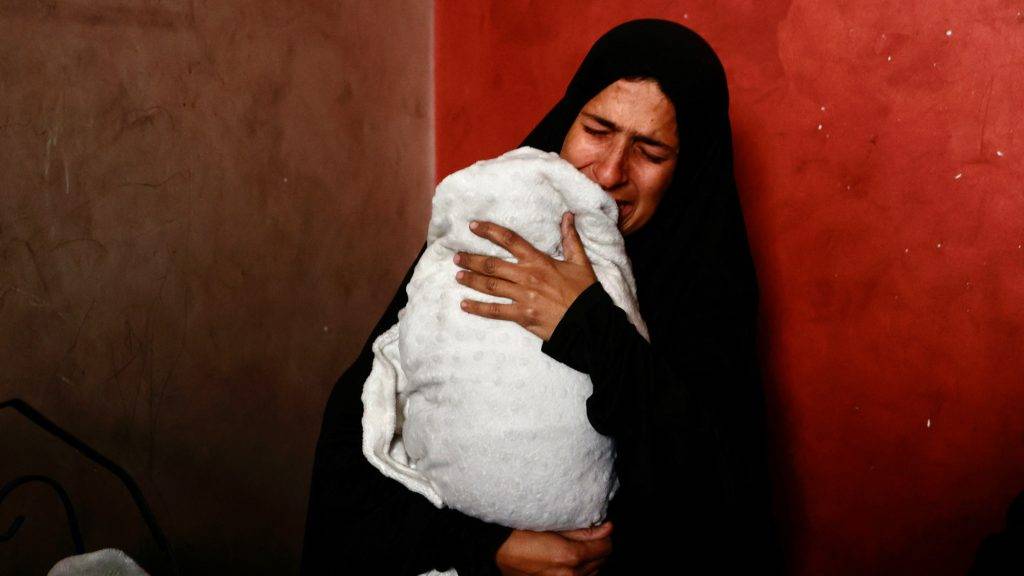
Mariam Kalloub, an eight-year-old girl, died in Gaza after being admitted with flu-like symptoms, a tragedy her 38-year-old mother, Marwa Kalloub, never anticipated. Despite her belief in her child’s natural immunity and the availability of basic medications, the situation in Gaza proved otherwise.
“Mariam had no prior health problems,” shared her aunt, Iman Kalloub, with Middle East Eye. “Before she passed, she experienced a severe cough, nausea, and a high fever. She stopped eating entirely.”
Kalloub added, “So many people in Gaza were sick with this virus that we expected her recovery to take time. We never imagined it would end like this.” The country, already battered by months of Israeli starvation and a collapsing health system, saw a routine illness become lethal.
A Mutated Virus Sweeps Through a Weakened Population
In recent weeks, a rapidly spreading mutated virus has infected communities in Gaza, which had been weakened by two years of genocide. Health officials remain uncertain about the virus’s identity due to limited testing capacity and shortages of medical supplies, leaving residents vulnerable to its unpredictable effects.
Hospitals Overwhelmed by Crisis
Mariam was admitted to Rantisi Hospital on 11 January, once a hub for treating children with kidney disease and cancer. Now, it primarily handles respiratory and gastrointestinal infections, as well as chronic conditions, due to repeated damage by Israeli forces. Despite repairs by the Palestinian Ministry of Health, the facility is overwhelmed.
“She waited for hours before seeing a paediatrician, because of the overwhelming number of sick children,” said Kalloub. Doctors found her lungs in critical condition, and treatment was nearly impossible. “All they could do was give her oxygen. They could not even provide intravenous nutrition. Perhaps they knew they could not save her.”
The family had welcomed the October ceasefire with hope, beginning to rebuild their home and send Mariam back to school. The idea that a child who endured bombardment would succumb to a virus was incomprehensible. “Two years of war didn’t kill her. A small virus did,” Kalloub remarked.
Health System in Shambles
Doctors have struggled to identify the disease or respond effectively as the health system crumbles. Mohammed Abu Salmiya, director of al-Shifa Medical Complex in Gaza City, stated, “Gaza is facing an unprecedented humanitarian and health crisis because of the Israeli blockade.”
According to a November 2025 report by the World Health Organization-led Health Cluster, most medical facilities in Gaza cannot provide full services. The findings revealed that 55 percent of essential medicines are unavailable, and 71 percent of basic medical supplies are out of stock. “Bed occupancy has reached 150 to 200 percent due to the surge in patients,” Abu Salmiya noted.
Overcrowded displacement camps, leaking tents, contaminated water, and weakened immunity are fueling the virus’s spread. “Children, the elderly, pregnant women, and those with chronic illnesses are most at risk,” he said. “Famine and malnutrition have severely compromised immune systems, leading to complications and deaths, including among dialysis, cancer, and heart patients.”
Despite the ceasefire starting on 10 October, UN agencies reported last month that 77 percent of Gaza’s population still faces acute food insecurity. This leaves many highly susceptible to illness, as the crisis continues to deepen.
