
The B-52: Why the US still uses a plane from the 1960s to bomb its enemies
The B-52: Why the US still uses a plane from the 1960s to bomb its enemies
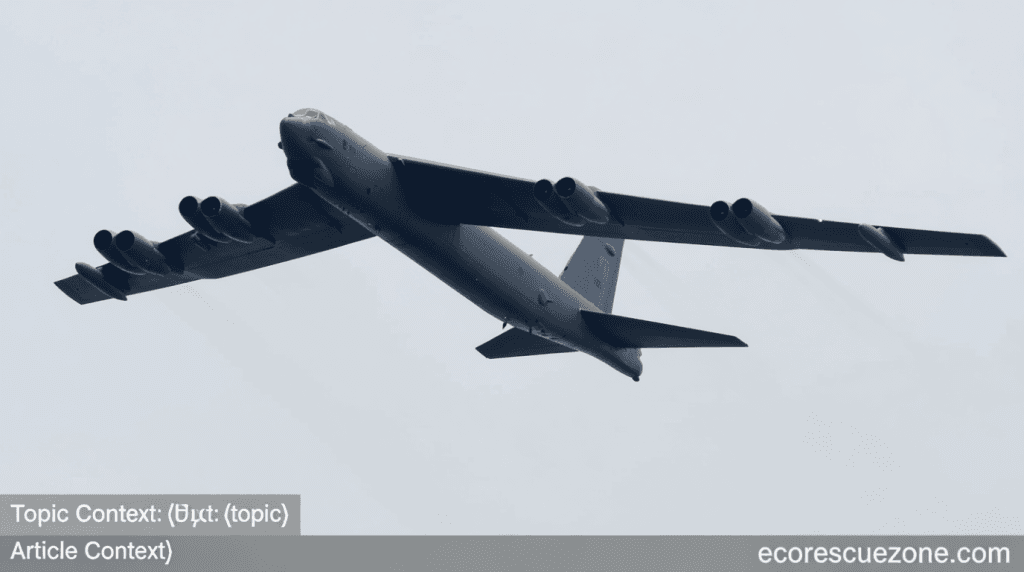
In Washington, DC, when targeting adversaries, the Boeing B-52 Stratofortress remains a preferred choice for military operations. First introduced to the USAF in 1961, the B-52H variant continues to serve as a critical asset today, with 76 of its kind still active in the air force. These bombers form the backbone of the country’s strategic strike capability, comprising half of the USAF’s total bomber fleet.
Recent upgrades by Rolls-Royce have equipped Cold War-era nuclear-capable bombers with modern engines, ensuring their operational lifespan extends well into the 2050s. Sky News reports that B-52s are currently being deployed to UK bases, a move enabled by Sir Keir Starmer’s revised stance allowing US military assets to conduct defensive strikes against Iran from British territory.
The B-52H’s Capabilities
The Stratofortress’s massive size enables it to carry over 31,751 kg of ordnance, including bombs, smart munitions, and missiles. Its H model can also deploy up to 20 air-launched cruise missiles. The aircraft’s versatility extends to nuclear payloads, supporting both conventional and atomic warfare missions.
Known to crews as BUFF—Big Ugly Fat Fella—the B-52 is a testament to enduring design and adaptability.
With a range exceeding 8,800 miles, the bomber can conduct long-distance missions without refueling. Mid-air refuelling further amplifies this reach. Despite its age, the B-52 remains cost-effective compared to newer aircraft, making it a practical choice for sustained operations.
A Legacy of Strategic Operations
The B-52 has been a staple in major conflicts, including the Vietnam War, where it executed extensive bombing campaigns. During Operation Linebacker II in 1972, US bombers dropped over 20,000 tonnes of explosives on North Vietnam within 11 days. Its role expanded during the Gulf War and the 2003 Iraq invasion, reinforcing its status as a reliable platform for global strikes.
In 2014, President Barack Obama deployed the aircraft—flying before he was born—to target ISIS in Syria and Iraq. The bombers completed nearly 1,800 combat missions against the group. Now, under President Donald Trump’s orders, the B-52 is once again deployed alongside the B-1 bomber to counter Iran, highlighting its continued relevance in modern warfare.
The B-52’s adaptability and range make it a strategic tool beyond combat. Its repositioning to patrol Venezuelan waters served as a symbolic gesture during Trump’s escalating tensions with former president Nicolas Maduro. This dual role as a military asset and a diplomatic instrument underscores its lasting impact on global airpower strategy.
