
Our Exploration of Native American Culture and Traditions
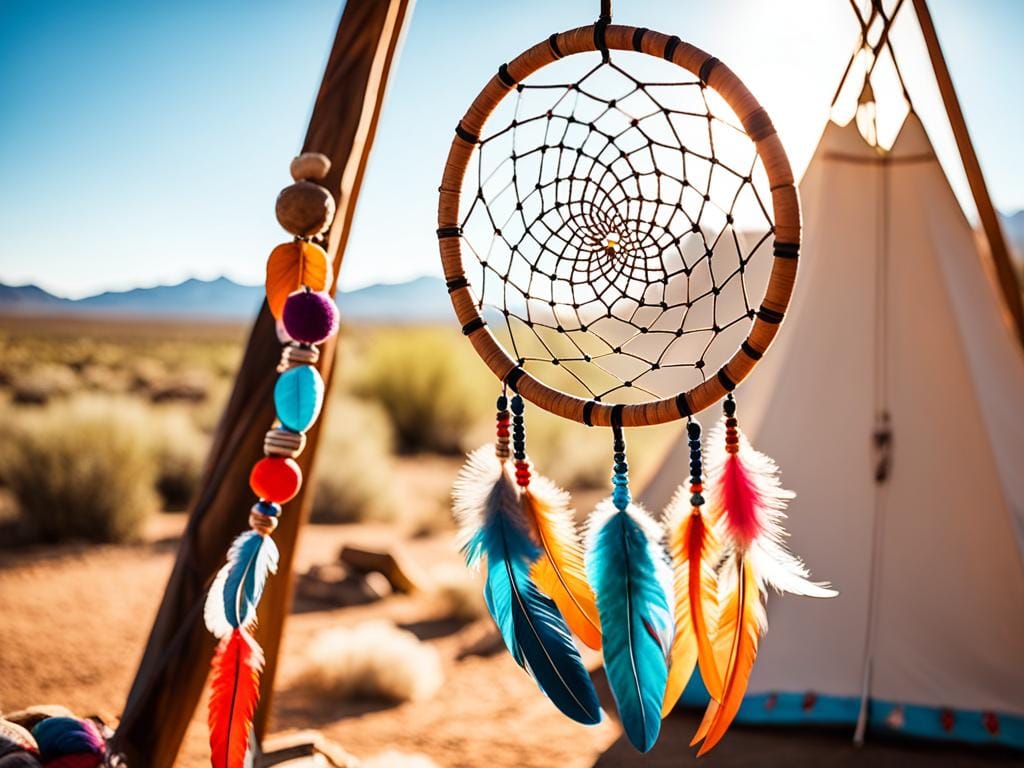
The indigenous peoples of North America have a vibrant culture across the land. They include over 574 American Indian and Alaska Native tribes. Each has its own culture, language, and history. These offerings welcome us into an enchanting journey through the heart of first nations heritage.
Before Europeans came, these communities flourished with their unique ways of governing and educating. They followed native spirituality and oral traditions, which are still alive today. The sounds of powwows and the sights of totem poles and dreamcatchers are parts of their rich cultural heritage.
However, history is also marked by their struggles after European contact. These include forced movements, wars, and diseases. Despite these dark times, these peoples keep their ancestral practices alive. They work hard to keep their languages and traditions strong for the future.
The Rich Heritage of Indigenous Peoples
Native American culture is a rich tapestry of customs and traditions. It shows the vast diversity of the tribes in the United States. Each tribe has unique ways in how they live, their clothes, and what they eat. Even if they vary in size and where they live, they are sovereign. This means they have a nation-to-nation relationship with the U.S. government.
Diverse Tribes and Sovereign Nations
Before Europeans came, Native tribes were already thriving. They had their own systems of government and education. Their way of governing and educating their young people were some of the ideas the U.S. government was built on. This shows the smart and resilient nature of these tribes.
Thriving Systems of Governance and Education
Before Europeans arrived, Native American societies were far from “primitive.” They had advanced political and educational systems. These systems helped them manage their lives and pass down their culture. This shows their deep wisdom and the strength of their societies.
The Impact of European Conquest
During the 18th and 19th centuries, the “Indian Wars” saw the U.S. Government forcefully take Native lands. They ignored treaties and moved indigenous peoples to reservations. This action tore Native Americans from their ancestral homes, where they had lived for many years.
Forced Relocation and Broken Treaties
The U.S. government’s decisions to break treaties and relocate tribes was a dark time for Native Americans. Tribes were uprooted from their lands and pushed onto reservations. This move disrupted their way of life and took away their control over their futures.
The Boarding School Era and Cultural Suppression
Trying to “Kill the Indian and Save the Man” was a harmful federal policy. It barred Native Americans from their religious and ceremonial practices until the 1970s. The Boarding School Era came next, forcibly taking Native children from their families.
Christian boarding schools punished children harshly for using their own languages or following their customs. This effort to suppress Native culture hurt their efforts to preserve their traditions significantly.
Cultural Revival and Language Preservation
Today, many Native American tribes in the U.S. are experiencing a rebirth. This renewal focuses on keeping their rich heritage including their languages and ceremonies alive. Tribes are leading the way with new programs that teach their native languages. This ensures their special ways of speaking are known by coming generations.
There’s been a major comeback in traditional ceremonies and practices that were once almost lost. Pow-wows are now lively events where indigenous people from different tribes meet. They share their cultural heritage there. Also, local radio stations are starting to broadcast in native languages. This helps keep these old languages alive in our modern times.
A key force behind this revival is a fresh generation of Native Americans. They are eager to embrace their cultural traditions. By doing so, they’re deepening the connections within their communities. This ensures that the revival of Native American culture and language preservation remain strong for many years to come.
The Arctic and Subarctic Cultures
The North American Arctic and Subarctic were rich in diverse native cultures. Each group had unique ways of living. The Inuit and Aleut lived in the cold north, while the Athabaskan and Algonquian thrived farther south in difficult terrains.
Inuit and Aleut Nomadic Lifestyles
The Inuit and Aleut spoke similar languages near the Arctic Circle. They lived in chilly, treeless environments. These peoples moved often and used what nature offered to survive.
They built homes from natural materials and wore animal skins for warmth. Their main activities were hunting, fishing, and gathering. This helped them live and flourish in tough conditions.
Athabaskan and Algonquian Speakers
Families in the Subarctic area often moved together to find food. They belonged to the Athabaskan and Algonquian language groups. These tribes developed smart ways to travel and live off the land.
They used tools like toboggans and snowshoes to navigate the challenging environment. Hunting and gathering was their daily life. Their skills were passed down through the generations, allowing them to survive for a long time.
The Northeast and Southeast Tribes
In the Northeast culture area, two main language groups existed. These were the Iroquoian and Algonquian tribes. The Iroquoian groups, like the Cayuga, Oneida, and Seneca, lived in strong villages near rivers and lakes. These were safe and stable places. In comparison, the Algonquian groups, such as the Pequot, Wampanoag, and Delaware, lived in smaller villages by the sea.
Iroquoian and Algonquian Groups
The Iroquois Confederacy united six Iroquoian-speaking nations. These were the Mohawk, Oneida, Onondaga, Cayuga, Seneca, and later the Tuscarora people. They formed a strong union. And, they were skilled in farming. The Algonquian-speaking tribes lived differently. They were spread out and relied on hunting, gathering, and fishing for food.
The Five Civilized Tribes and the Trail of Tears
In the Southeast, Five Civilized Tribes like the Cherokee and Seminole lived. They were influenced by European-American ways, following Christianity and having a written language. Sadly, in 1830, the Indian Removal Act was passed. It forced these tribes, nearly 100,000 people, to leave their lands. This journey to the new “Indian Territory” in Oklahoma was known as the Trail of Tears. It was a tragic event.
The Great Plains and the Horse Culture
The area between the Mississippi River and the Rocky Mountains was the heart of the Plains culture area. It was home to many tribes. These tribes were quite settled and they mixed farming and hunting. When horses came in the 18th century, life changed for them. People could move more and their cultures evolved.
Nomadic Hunters and the Buffalo Herds
Tribes like the Crow, Blackfeet, and Cheyenne started using horses. This made them more nomadic. They followed the buffalo that roamed the prairies. They lived in cone-shaped teepees they could easily move. Horses helped them move fast and hunt effectively, changing their lives.
As people moved west, they brought new things like guns and sickness. By the late 1800s, the buffalo were nearly gone. The tribes had to live on reservations. This was a sad effect of the new people’s culture mixing with the tribes.
Sedentary Farmers and Nomadic Raiders
The Southwest’s people led two different lives. The Hopi, Zuni, Yaqui, and Yuma were sedentary. They grew crops and lived in permanent settlements. These houses were made from stone and adobe. The Navajo and Apache, on the other hand, moved around. They hunted and raided.
The Navajo built hogans, which were round houses facing east. These structures were made from mud and bark. They served as homes and meeting places. At the same time, the sedentary groups lived in their pueblos. The nomadic life allowed tribes to find food and adapt.
The Pueblo Dwellings and Hogans
In the Southwest, buildings show creativity and flexibility. Pueblos stood tall while hogans sat in the earth. These homes represented the diverse ways of life among the region’s people.
The Great Basin and California Regions
The Great Basin culture area was once seen as a desert wasteland with salty flats and lakes. The people there mostly spoke in Shoshonean or Uto-Aztecan languages. They searched for roots, seeds, and nuts, and they hunted small prey. These folks lived in small, simple wikiups. Wikiups were made of sticks and branches covered in leaves.
California had lots of people compared to other parts of North America when Europeans arrived. By the mid-16th century, around 300,000 lived there, speaking more than 200 languages. Some came from the Southwest, where the Spanish colonized. They also brought Uto-Aztecan dialects with them.
Hunter-Gatherer Tribelets
The tribes living in the Great Basin were mostly hunter-gatherers. They moved a lot to find what they needed in the desert. Though life was tough, they thrived by finding plants to eat and catching small animals.
Despite the harsh environment, their culture was rich. They told stories and passed down knowledge through generations. This made their unity strong and their history vivid.
The Mission Indians
The tribes in California were less nomadic and more settled, living in villages. They were skilled in agriculture. However, when Spanish missionaries came in the late 18th century, things changed. They were forced to work at the missions and move from their homes.
This caused a lot of suffering and harm. But, the California tribes worked hard to keep their traditions alive. Even today, their culture stands strong, showing their resilience over the years.
Reconnecting with Ancestral Roots
Urban native communities are key in the cultural revival for Native Americans. They act as important centers for sharing traditional practices, stories, and languages. This sharing is crucial for those who didn’t grow up with strong ties to their tribal history.
It’s vital for the next generation to learn these cultural aspects. It ensures the ongoing strength of Native American cultures today.
Urban Indigenous Communities
Cities can be far from the lands where Native Americans originated. But, urban indigenous communities help bridge this distance. They provide classes and events that help these folks reconnect with their roots.
These places create a sense of belonging. They help Native people feel proud of their heritage and pass it on to their children.
Passing Down Cultural Knowledge
Keeping Native cultural knowledge alive is essential. It’s done through various programs that focus on language, arts, stories, and ceremonies. Elderly community members play a key role in this, sharing their wisdom with the younger ones.
They help create a renewed sense of native cultural knowledge. Thus, they make sure ancestral roots remain strong in urban native communities.
Spiritual Practices and Ceremonies
The revival of native american spirituality and native ceremonies is pivotal. These activities help reconnect people with their heritage. They also ensure cultural identity is preserved.
The Sweat Lodge Tradition
Native peoples are reviving the sweat lodge tradition. This tradition involves a domed structure for purification and healing. It provides a sacred space where the community can join for transformation.
Participating in these ceremonies deepens our cultural bonds. It also honors our elders’ wisdom. The sweat lodge is not just a ritual; it’s a way to teach our youth and pass on our legacy.
This resurgence keeps our culture alive. It brings pride and belonging to the new generation. Being part of ancestral practices gives us strength. It helps us find our path, guiding us to preserve and empower our culture.
FAQ
How many federally recognized American Indian and Alaska Native tribes and villages are there in the United States?
There are 574 federally recognized American Indian and Alaska Native tribes and villages in the United States. Each has a unique culture, language, and history.
How did European conquest impact Native communities?
European conquest caused severe harm to Native communities. They faced forced relocation, warfare, broken treaties, and diseases. This led to the devastation of many Native groups.
How are Native American tribes reviving their traditions and cultures today?
Many Native American tribes are renewing their culture by focusing on spiritual practices and ceremonies. They’re also preserving their languages and passing down their knowledge to the young.
What were the main cultural areas of Native Americans in North America?
Native Americans lived in areas like the Arctic, Subarctic, and Northeast. Also, in places like the Great Plains, Southwest, and California. Each area had its unique style of housing, clothing, and food.
How did the Indian Removal Act impact the Five Civilized Tribes?
In 1830, the federal Indian Removal Act forced the Five Civilized Tribes to move. This included the Cherokee, Chickasaw, Choctaw, Creek, and Seminole people. It led to the Trail of Tears, where over 100,000 Indigenous people were relocated to “Indian Territory” (now known as Oklahoma).
What role do urban indigenous communities play in the cultural revival of Native American traditions?
Urban indigenous groups are essential in the cultural revival. They offer places to gather and resources for learning traditional ways. They are vital in passing cultural knowledge to the young, keeping Native American culture strong today.
What is the significance of the sweat lodge tradition among Native American tribes?
The sweat lodge is a crucial part of Native American culture. It’s used for purification and healing in rituals. Reclaiming this tradition helps people reconnect with their roots and keep their culture alive.
