
Soil Erosion Control and Land Stabilization: Essential Techniques Explained
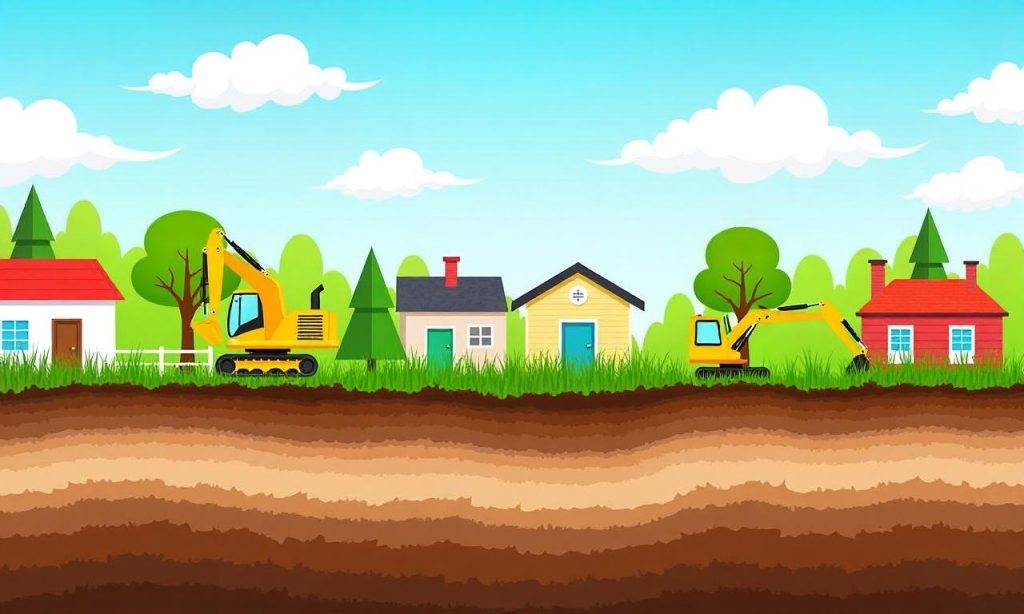
Soil erosion control and land stabilization methods are critical for preserving land quality, preventing environmental degradation, and ensuring sustainable development. As climate change intensifies rainfall patterns and human activities increase deforestation and construction, the risk of soil erosion grows. Without effective soil erosion control and land stabilization methods, topsoil can be lost rapidly, leading to reduced agricultural productivity, increased sedimentation in waterways, and even landslides. This article explores the essential techniques used to combat erosion and stabilize land, offering insights into their implementation, benefits, and challenges.
Understanding Soil Erosion and Its Impact
Soil erosion is the process by which the top layer of soil is removed by natural forces like water, wind, or ice. It often occurs when the natural protective cover of vegetation is disrupted, exposing the soil to elements that can carry it away. In agricultural areas, erosion leads to nutrient depletion, reducing crop yields and increasing the need for fertilizers. In urban environments, it can cause sediment buildup in drainage systems, increasing flood risks. Understanding the root causes of erosion is the first step in selecting the right soil erosion control and land stabilization methods. Natural causes include heavy rainfall, wind, and freeze-thaw cycles, while human activities such as overgrazing, deforestation, and improper land use accelerate the process.
Vegetation-Based Techniques for Stabilization
One of the most effective soil erosion control and land stabilization methods is the use of vegetation. Plants anchor the soil with their roots, reducing the likelihood of it being washed or blown away. Grasses, shrubs, and trees also absorb rainfall, decreasing the impact of runoff on the land. Additionally, vegetation improves soil structure, enhances water retention, and reduces surface temperatures, which mitigates the effects of erosion. For instance, reforestation projects have proven to be vital in restoring degraded lands and preventing soil loss in mountainous regions.
When implementing vegetation-based methods, it’s essential to choose plant species suited to the local climate and soil conditions. Native plants are often preferable because they require less maintenance and are more resilient to environmental stressors. Techniques such as contour planting, where crops are arranged along the natural contours of the land, can further reduce erosion by slowing water flow. These methods are particularly effective in agricultural settings, where crop rotation and cover cropping are also used to maintain soil health.
Structural and Physical Solutions for Erosion Control
In addition to vegetation, structural and physical methods provide durable solutions for soil erosion control and land stabilization methods. Terracing, for example, involves creating stepped layers on slopes to reduce the speed of water runoff. This technique is commonly used in hilly or mountainous areas to prevent soil loss and improve water management. Retaining walls and barriers made of stone, wood, or concrete can also be constructed to hold back soil and protect against landslides. These structures are especially useful in regions with steep terrain or frequent heavy rains.
Another structural method is the use of erosion control blankets, which are biodegradable mats placed over bare soil to protect it from erosion. These blankets are often used during the early stages of land restoration, allowing vegetation to establish itself before the soil is fully stabilized. Similarly, rock riprap and gabions are deployed to reinforce riverbanks and slopes. These methods are cost-effective for large-scale projects and can be combined with vegetation to achieve long-term stability.
Sediment Traps and Water Management Systems
Effective soil erosion control and land stabilization methods often incorporate sediment traps and water management systems. Sediment traps, such as check dams and sediment basins, capture runoff water and slow its flow, allowing sediments to settle. This prevents soil from being carried away by water currents and protects downstream areas from contamination. Water management systems like drainage channels, swales, and bioswales help direct water flow away from vulnerable areas, reducing the risk of erosion. These systems are particularly important in urban environments where impermeable surfaces increase runoff.
In agricultural landscapes, contour trenches and grassed waterways are used to manage water distribution. Contour trenches capture water as it flows across the land, reducing its erosive force. Grassed waterways, on the other hand, guide runoff through vegetated channels, minimizing soil loss. These techniques, when integrated with other methods, create a comprehensive approach to erosion control and land stabilization.
Chemical and Biological Approaches
Chemical and biological methods offer innovative ways to combat soil erosion and stabilize land. Mulching, which involves covering soil with organic materials like straw or compost, helps retain moisture and prevent surface runoff. This is a cost-effective soil erosion control and land stabilization methods that is easy to implement, especially in small gardens or construction sites. Bioengineering techniques, such as using willow trees or other fast-growing species to reinforce slopes, combine plant life with structural elements to create long-lasting stability.
Soil amendments like lime, gypsum, or organic matter can also improve soil structure, making it more resistant to erosion. These amendments increase soil cohesion and porosity, which enhances its ability to absorb water and resist displacement. Biological methods such as mycorrhizal fungi application further strengthen soil by forming symbiotic relationships with plant roots, promoting root growth and soil binding. These approaches are particularly useful in areas where traditional methods may not be sufficient.
Case Studies and Real-World Applications
Real-world applications demonstrate the effectiveness of soil erosion control and land stabilization methods. In the Loess Plateau of China, a combination of terracing, tree planting, and water management systems transformed degraded land into fertile agricultural areas. Similarly, in the United States, the use of erosion control blankets and hydroseeding has helped restore land after construction projects. These case studies highlight how tailored solutions can address specific erosion challenges while promoting ecological and economic benefits.
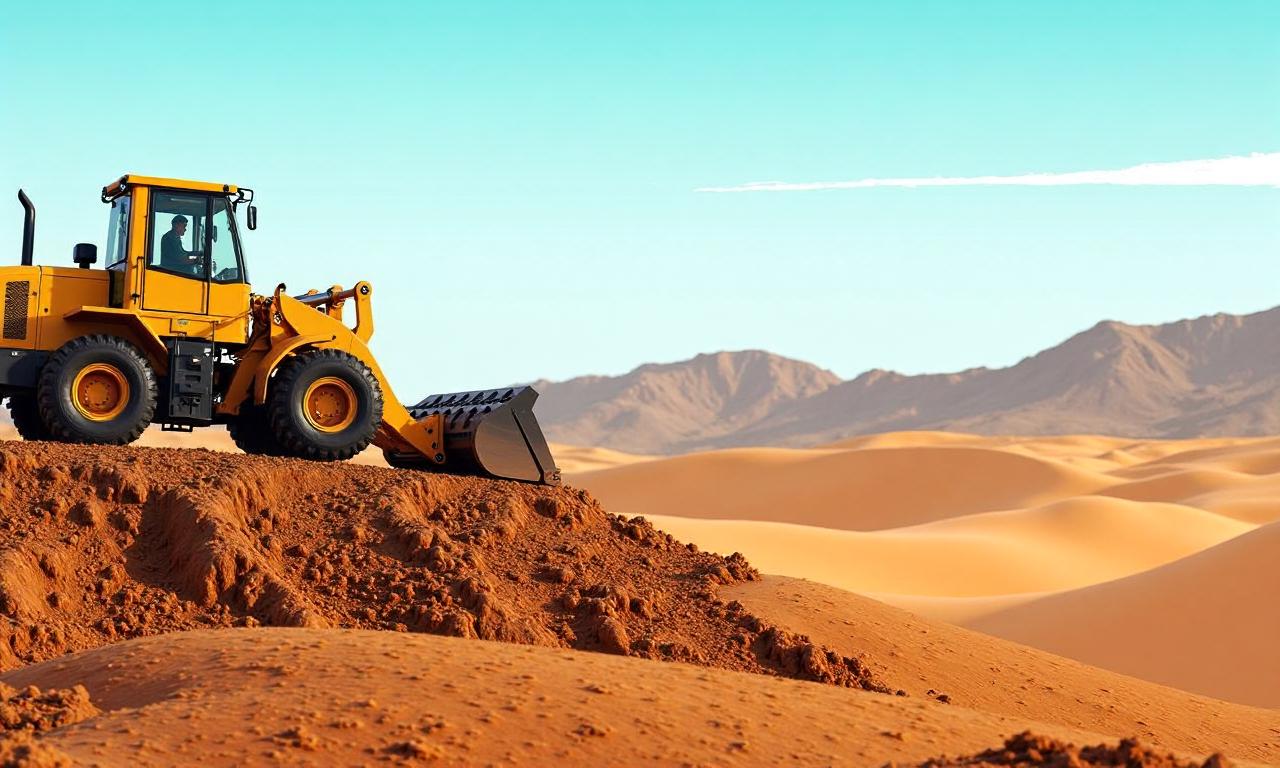
In coastal regions, vegetation-based methods such as mangrove planting have proven vital in protecting shorelines from wave action and tidal erosion. Mangroves act as natural barriers, absorbing wave energy and stabilizing sediments. Urban areas have also adopted soil erosion control and land stabilization methods like permeable pavements and green roofs, which reduce runoff and prevent soil erosion. These examples underscore the adaptability of erosion control techniques to different environments and needs.
The Role of Community and Policy in Success
Sustaining soil erosion control and land stabilization methods requires community involvement and supportive policies. Local communities play a key role in maintaining vegetation cover, implementing erosion barriers, and reporting signs of land degradation. Educational programs can help residents understand the importance of these methods and encourage sustainable practices. Government policies, such as land use regulations and subsidies for erosion control projects, are equally crucial in ensuring long-term success.
Collaboration between environmental agencies, farmers, and urban planners is essential for effective implementation. For example, in regions prone to flooding, coordinated efforts to build retention basins and plant buffer zones can significantly reduce erosion risks. When policies and community initiatives align, the impact of soil erosion control and land stabilization methods is maximized, leading to healthier ecosystems and more resilient landscapes.
Future Trends in Erosion Control Technology
As technology advances, new tools are emerging to enhance soil erosion control and land stabilization methods. Remote sensing and GIS (Geographic Information Systems) are now used to monitor soil movement and predict erosion hotspots. These technologies allow for targeted interventions, optimizing resource allocation. Additionally, bioengineering innovations like synthetic root systems and advanced erosion control fabrics are being developed to improve soil retention and reduce maintenance costs.
Sustainable practices such as permaculture and agroforestry are gaining traction as long-term solutions. Permaculture emphasizes designing agricultural systems that mimic natural ecosystems, reducing erosion through diversified planting and soil conservation. Agroforestry integrates trees with crops, offering multiple benefits including soil stabilization and biodiversity enhancement. These trends reflect a growing awareness of the need for holistic approaches to erosion control, ensuring that soil erosion control and land stabilization methods evolve with environmental challenges.
FAQ Q: What are the most effective soil erosion control and land stabilization methods for agricultural land? A: Vegetation-based techniques like crop rotation, cover cropping, and contour farming are highly effective for agricultural land. They reduce runoff, improve soil structure, and maintain fertility.
Q: How do soil erosion control and land stabilization methods benefit urban areas? A: These methods prevent sediment buildup in drainage systems, reduce flood risks, and improve water quality. Green roofs and permeable pavements are examples of urban-friendly techniques.
Q: Are there different soil erosion control and land stabilization methods for different types of erosion? A: Yes, methods vary depending on the erosion type—water erosion, wind erosion, or mass movement. For instance, terracing is ideal for slope erosion, while mulching is effective for wind erosion.
Q: What are the long-term benefits of using soil erosion control and land stabilization methods? A: Long-term benefits include improved soil health, increased biodiversity, and reduced risk of landslides. These methods also support sustainable development by preserving land for future generations.
Q: How can individuals contribute to soil erosion control and land stabilization methods? A: Individuals can plant native vegetation, use mulch, and avoid overgrazing or excessive tilling. Simple actions like proper waste disposal and reducing water runoff on slopes can make a significant difference.
