Court ruling freezes Paramount-Warner Bros. merger for now

Temporary Halt Issued for Paramount-Warner Bros. Merger Following State Lawsuit
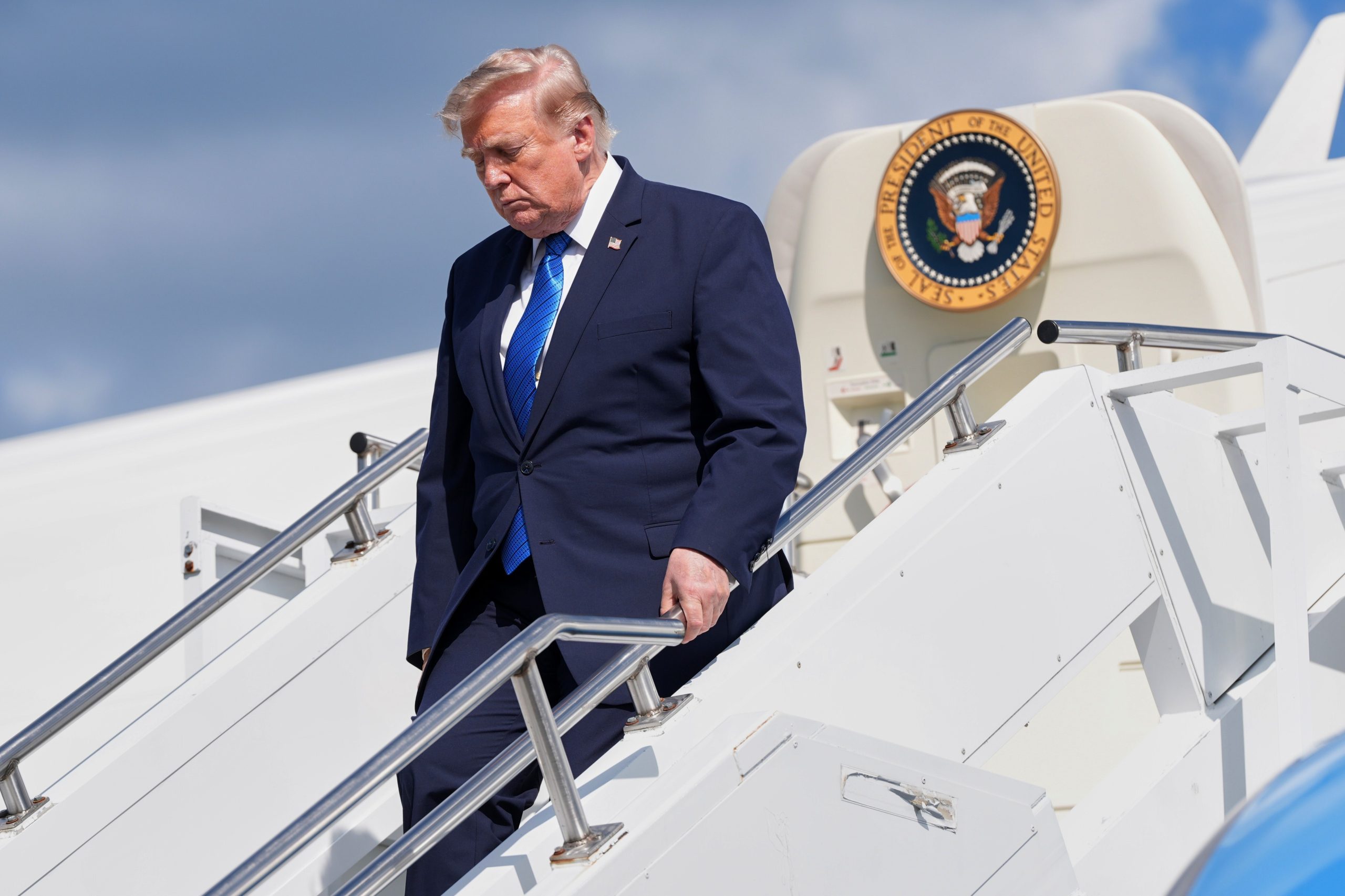
Ecorescuezone.com – A significant development has emerged in the entertainment industry as a federal judge has temporarily paused the proposed acquisition between Paramount Global and Warner Bros. Discovery. The ruling, delivered on Monday, represents a substantial setback for the $111 billion transaction that had been moving forward with approval from the Justice Department under President Trump’s administration.
Legal Challenge from Multiple States
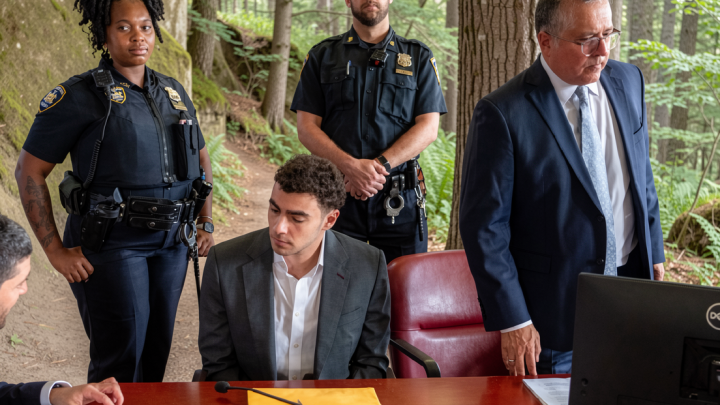
U.S. District Judge Araceli Martínez-Olguín issued a fourteen-day temporary restraining order in response to litigation initiated by twelve states one week prior. The Democratic attorneys general argue that consolidating these entertainment giants would diminish competitive forces within the industry, ultimately harming consumers across multiple sectors including film, television, and news media.
The proposed merger would unite Paramount’s and Warner’s respective movie and television production studios under one corporate umbrella. Additionally, the combined entity would control major streaming platforms including Paramount+ and HBO Max, alongside CBS—the nation’s most-watched broadcast network—fifty cable television channels, and both CBS News and CNN.
“This is a critical first win in our case to ensure this megamerger never sees the light of day,” California Attorney General Rob Bonta declared in a statement released to media outlets.
Bonta, who has spearheaded the multi-state legal effort, emphasized broader concerns about market concentration. He noted that historical patterns demonstrate how concentrated power in essential markets leads to reduced opportunities for consumers and diminished quality in products and services.
Paramount’s Confidence in the Deal
Paramount Global responded to the ruling with a statement expressing confidence that the legal challenge would ultimately fail. The company maintained that the merger is both lawful and pro-competitive, arguing that it would benefit consumers, creative professionals, workers, and the broader entertainment sector.
The company also expressed appreciation for the court’s prompt consideration of the matter. Paramount had been working toward closing the transaction by Wednesday, July 22, making the temporary restraining order a notable disruption to their timeline.
“We are confident the evidence will demonstrate that the State AG’s antitrust arguments are without merit,” Paramount stated. “This merger is lawful, pro-competitive and will benefit consumers, creators, workers and the entertainment industry.”
Focus on Three Key Markets
The legal challenge centers on three specific market segments: theatrical movie releases, blockbuster film productions, and cable television channels. Judge Martínez-Olguín’s ruling concentrated primarily on the consolidation of two of the five remaining major Hollywood studios, treating this as a test case for the states’ broader antitrust concerns.
In her decision, the judge found the plaintiffs’ evidence compelling, particularly regarding market share in wide-release theatrical distribution. She indicated that the combined entity’s substantial market position alone justified a presumption that the merger might violate antitrust regulations.
“Plaintiffs present compelling evidence that the combined firm resulting from the transaction will possess substantial market share in the wide-release theatrical distribution market,” the judge wrote. “On this combined firm market share alone, the Court is persuaded that it can presume the proposed merger is likely to violate antitrust laws.”
Streaming Market Considerations
One notable aspect of the ruling involves the judge’s treatment of the streaming market. While Paramount has argued that digital competitors like Netflix, Apple, and Amazon provide sufficient competitive pressure, Judge Martínez-Olguín characterized the streaming sector as “ancillary” to the markets central to this litigation.
Paramount’s Chief Legal Officer Makan Delrahim countered these arguments in an episode of The Town podcast, released shortly before the ruling. He suggested that opponents of the merger were ignoring significant shifts in consumer behavior that would undermine their position.
The states’ lawsuit deliberately avoids addressing the merger of streaming assets, potentially to avoid complications arising from the entry of major technology companies into entertainment. Meanwhile, smaller production houses such as A24 and Lionsgate have also demonstrated their ability to produce successful films, with Lionsgate’s Michael Jackson biopic generating approximately one billion dollars in global ticket sales.
As the legal proceedings continue, both parties prepare for what could be a lengthy battle over the future structure of Hollywood’s entertainment landscape.