
Cultural Differences in Education: Key Insights for Global Learners
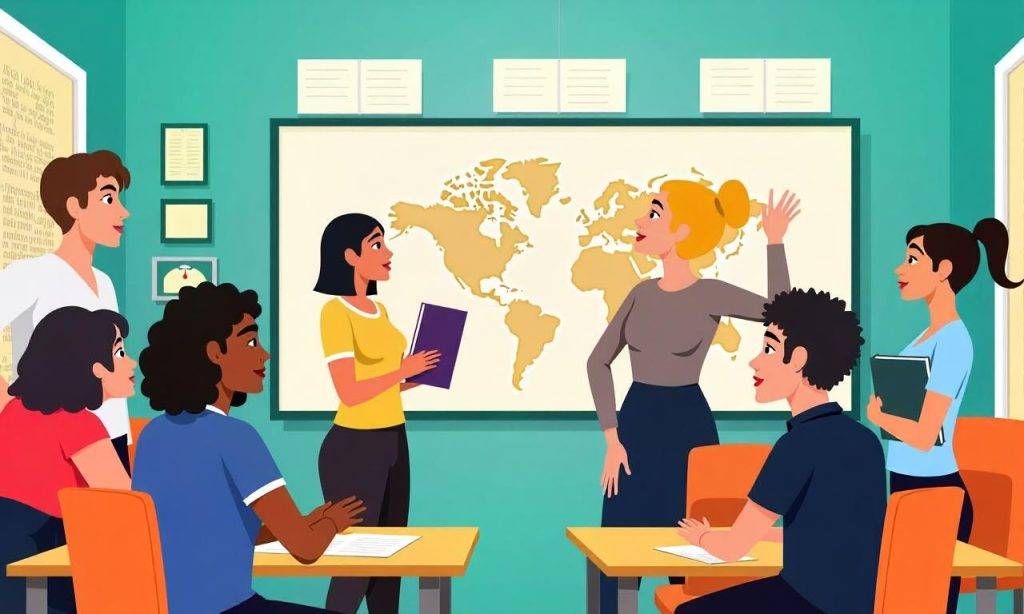
Globalization has created an increasingly interconnected world where cultural differences in education play a pivotal role in shaping learning experiences. As students, educators, and institutions engage in cross-cultural exchanges, understanding these differences becomes essential for effective teaching, learning, and collaboration. Cultural differences in education influence everything from classroom dynamics to assessment methods, highlighting the need for adaptability and cultural sensitivity in global educational settings. This article explores key insights into cultural differences in education, offering practical perspectives for learners and educators navigating diverse educational systems.
Understanding the Foundations of Cultural Differences in Education
Cultural differences in education are rooted in societal values, traditions, and beliefs that shape how knowledge is transmitted and acquired. In some cultures, education is viewed as a means to preserve heritage and social norms, while in others, it is seen as a pathway to individual success and innovation. For example, in collectivist societies, the emphasis often lies on group harmony and shared achievements, whereas individualistic cultures prioritize personal expression and independent thinking. These foundational perspectives determine the structure of educational systems, the role of teachers, and the expectations placed on students.
The way communication is handled in the classroom is one of the most noticeable aspects of cultural differences in education. In Western educational contexts, open dialogue and questioning are encouraged, fostering critical thinking and active participation. Conversely, in many Asian and African cultures, students are often taught to respect authority and wait for their turn to speak, which can lead to more structured and hierarchical interactions. This contrast affects not only how knowledge is shared but also how students perceive their learning journey.
Learning Styles and Educational Philosophies
Cultural differences in education also influence learning styles and educational philosophies. In some cultures, rote memorization is highly valued, with students expected to absorb information through repetition and discipline. Others, however, prioritize experiential learning, where students engage with material through hands-on activities and real-world applications. These variations are often linked to historical and social contexts; for instance, traditional education systems in countries with strong oral traditions may emphasize storytelling and discussion, while those influenced by industrialization may focus on structured, standardized learning.
Another critical aspect is the role of the teacher versus the student. In teacher-centered models, educators are seen as the primary source of knowledge, and students follow instructions with minimal autonomy. This approach is common in many East Asian countries, where respect for teachers is deeply ingrained. In contrast, student-centered models encourage exploration, creativity, and self-directed learning, which are prevalent in Western education systems. The balance between these two approaches can significantly impact student motivation and academic performance.
Classroom Participation and Student-Teacher Relationships
Classroom participation is another area where cultural differences in education are evident. In some cultures, students are encouraged to express opinions freely, contributing to a dynamic and interactive learning environment. In others, silence and restraint are considered signs of respect, leading to more passive participation. These attitudes often reflect broader societal norms about authority and collaboration. For instance, in cultures that prioritize conformity, students may avoid challenging the teacher’s perspective, while in more egalitarian settings, dialogue is seen as a collaborative process.
Student-teacher relationships also vary across cultures. In many traditional systems, teachers are revered as experts, and students are expected to defer to their guidance. This creates a formal and hierarchical bond that can enhance discipline but may limit opportunities for open debate. In contrast, in cultures that emphasize mutual respect and shared knowledge, teachers act as facilitators rather than authoritative figures. This shift encourages a more democratic classroom atmosphere, where students feel empowered to engage and question.
Assessment Methods and Educational Outcomes
Cultural differences in education extend to how academic performance is assessed. In some regions, exams and standardized tests are the primary measure of success, reflecting a belief in objective evaluation. In other cultures, assessments may focus on group projects, oral presentations, or continuous evaluation, emphasizing holistic development. These methods can shape students’ approaches to learning—those in exam-oriented systems often prioritize memorization and test-taking strategies, while others may develop a deeper understanding of concepts through practical application.
The impact of these assessment differences can be seen in educational outcomes. Countries with high-stakes exams, such as China and South Korea, frequently produce top-performing students in math and science, but may see lower engagement in creative subjects. Conversely, systems that incorporate diverse assessment formats tend to foster well-rounded individuals, though they may require more time and resources to implement. Recognizing these cultural differences in education allows educators to tailor assessments that are fair and effective for all students.
The Role of Technology and Modernization in Education
The integration of technology in education has introduced new cultural differences in education, particularly in how digital tools are used and perceived. In technologically advanced regions, students are often expected to navigate online platforms and use digital resources independently. In contrast, in areas with limited access to technology, traditional methods such as textbooks and face-to-face instruction remain dominant. This disparity highlights the importance of bridging gaps through initiatives like digital literacy programs and hybrid learning models.
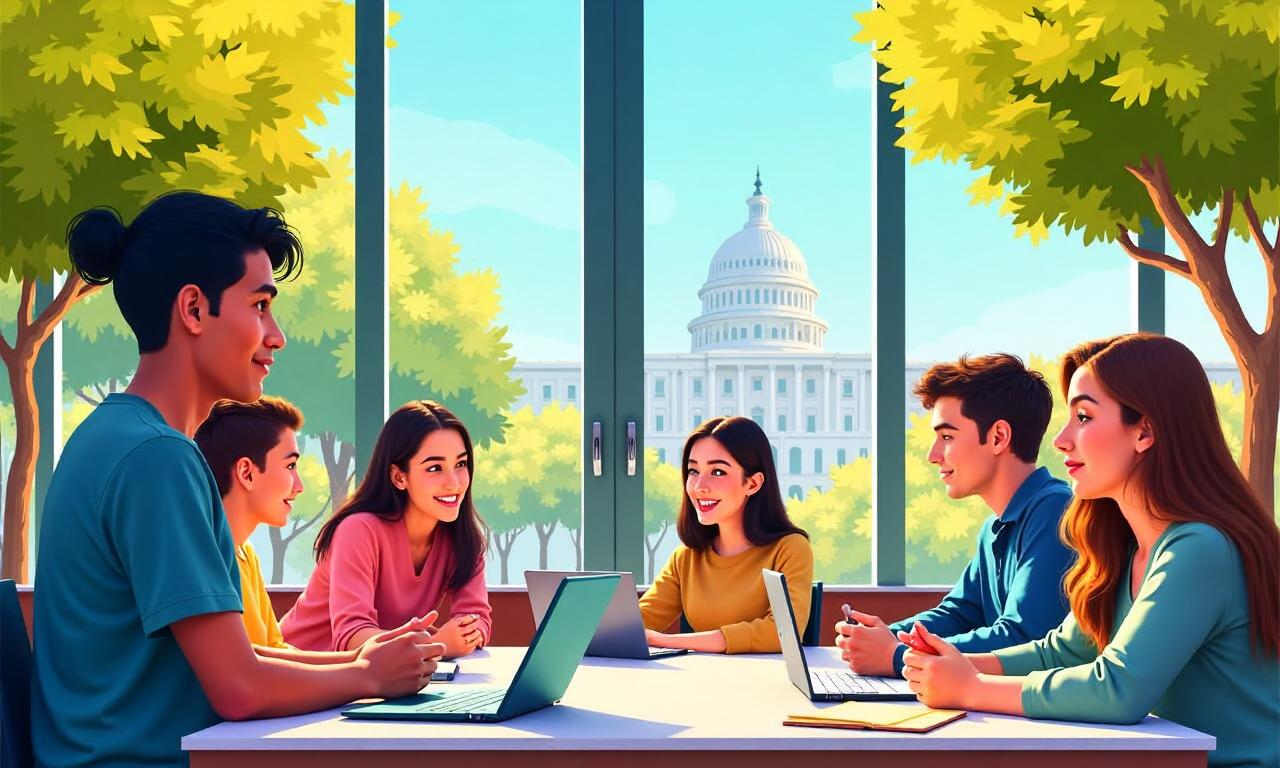
Moreover, the adoption of technology varies based on cultural attitudes toward innovation. Some cultures embrace rapid technological changes as a means of progress, while others may be more cautious, prioritizing in-person interactions. These preferences can influence how students engage with educational content, as well as the effectiveness of remote learning. Addressing these cultural differences in education ensures that technological advancements are accessible and meaningful to learners worldwide.
Overcoming Cultural Differences in Education for Global Success
To thrive in a global educational landscape, learners and educators must develop cultural competence. This involves not only recognizing cultural differences in education but also adapting teaching strategies to accommodate diverse needs. For instance, educators can incorporate storytelling and group discussions in lessons to resonate with students from collectivist backgrounds, while allowing more individual exploration for those from individualistic cultures. Such flexibility fosters inclusivity and enhances the learning experience for all.
Additionally, cross-cultural collaboration is essential for mutual growth. Educational institutions can create exchange programs, multicultural curricula, and teacher training initiatives that promote understanding and respect. These efforts help dismantle stereotypes and build bridges between different educational traditions. Ultimately, embracing cultural differences in education enriches the global learning environment, preparing students to navigate an increasingly interconnected world with empathy and adaptability.
FAQ: Common Questions About Cultural Differences in Education
Q: How do cultural differences in education affect classroom behavior? A: They shape communication styles, participation levels, and respect for authority, influencing how students interact with teachers and peers.
Q: Can understanding cultural differences in education improve academic performance? A: Yes, by tailoring teaching methods to align with students’ learning preferences and cultural expectations.
Q: What are the main types of educational philosophies influenced by cultural differences? A: These include teacher-centered approaches, which prioritize structured learning, and student-centered models, which encourage autonomy and creativity.
Q: How does assessment vary in different cultures? A: Some cultures rely heavily on exams, while others emphasize project-based or continuous evaluation to measure diverse skills.
Q: What role does technology play in cultural differences in education? A: Technology use varies by access and cultural attitudes toward innovation, impacting how students engage with digital resources.
