
Denmark’s Frederiksen bruised in election, as voters put Trump’s Greenland ambitions to the side
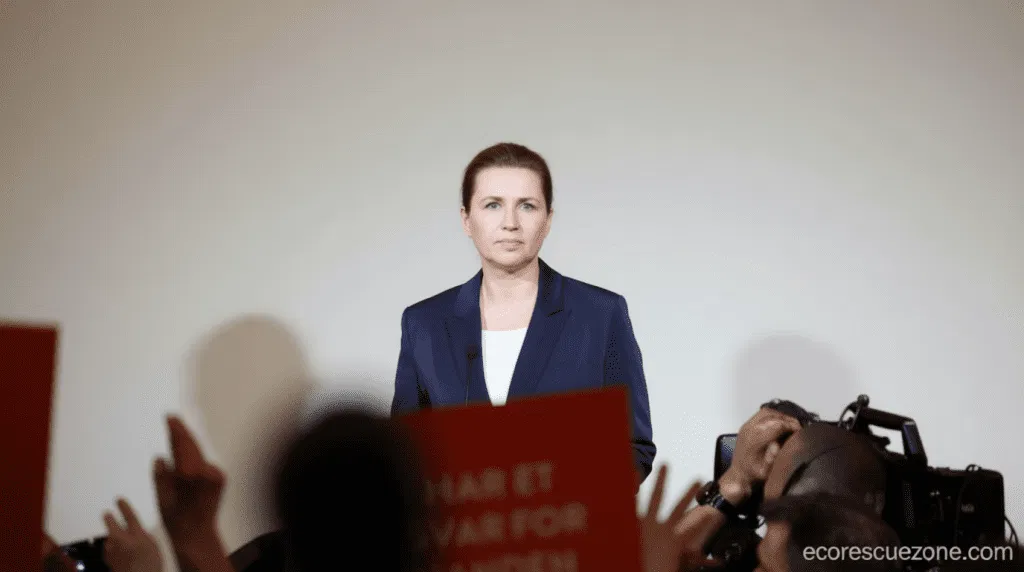
Denmark’s Frederiksen bruised in election, as voters put Trump’s Greenland ambitions to the side
Unclear Future for Prime Minister Amid Mixed Electoral Outcomes
The Tuesday election in Denmark yielded an inconclusive outcome, casting doubt on the future of Prime Minister Mette Frederiksen. Campaigns centered on everyday concerns rather than her management of the dispute over U.S. President Donald Trump’s interest in Greenland. Official results revealed the center-left Social Democrats, led by Frederiksen, lost momentum compared to the 2022 election, as did her coalition partners. Neither the left-leaning nor right-leaning groups secured a majority in the 179-seat parliament.
Experienced Foreign Minister Lars Løkke Rasmussen, head of the Moderate party, emerged as a pivotal figure. With 14 lawmakers in the Folketing, his centrist group could decide whether Frederiksen would continue as leader. Despite this, she expressed readiness to remain in office.
“The world is unsettled. There are strong winds around us,” she stated. “Denmark needs a stable government, a competent government. We are ready to take the lead.”
Løkke Rasmussen urged opposing factions to temper their stances. “Denmark is a small country of 6 million people in a world of 8 billion, which is in upheaval — and there is war in Iran, and there is war in Ukraine,” he explained. “We are one tribe. We must come together. We must not be divided.”
While Trump’s influence over Greenland remained a backdrop, voters prioritized other matters. Defense Minister Troels Lund Poulsen, a leading center-right contender, emphasized his Liberal party’s refusal to align with Frederiksen again. Though the Social Democrats retained the largest share of votes, 21.9%—a drop from 27.5% in 2022—their support had waned amid rising living costs, pension debates, and a proposed wealth tax.
Frederiksen, 48, is recognized for her strong backing of Ukraine during its conflict with Russia and her firm stance on immigration. She called the election in February, hoping her assertive image in the Greenland standoff would sway public opinion. However, she acknowledged a four-percentage-point decline since 2019, when her party first secured power. “I have been in charge of this wonderful country for nearly seven years,” she remarked. “We have weathered the pandemic; we have had to deal with war. We have been threatened by the American president, and in those nearly seven years, we have seen a four percent decline.”
Greenland, a key focus in recent months, did not dominate the campaign due to widespread agreement on its integration into the Danish kingdom. Frederiksen had warned in January that an American claim on Greenland could jeopardize NATO’s cohesion. However, Trump’s withdrawal from imposing tariffs on Denmark and others has eased tensions, leading to technical discussions on an Arctic security pact. Denmark’s single-chamber parliament, the Folketing, is elected every four years, with 175 seats for Danish lawmakers and two each for Greenland and the Faroe Islands representatives.
