Greetings from a wildlife park in central Sri Lanka that’s a haven for elephants

Daftar Isi
Where Ancient Giants and Modern Farmers Share the Land
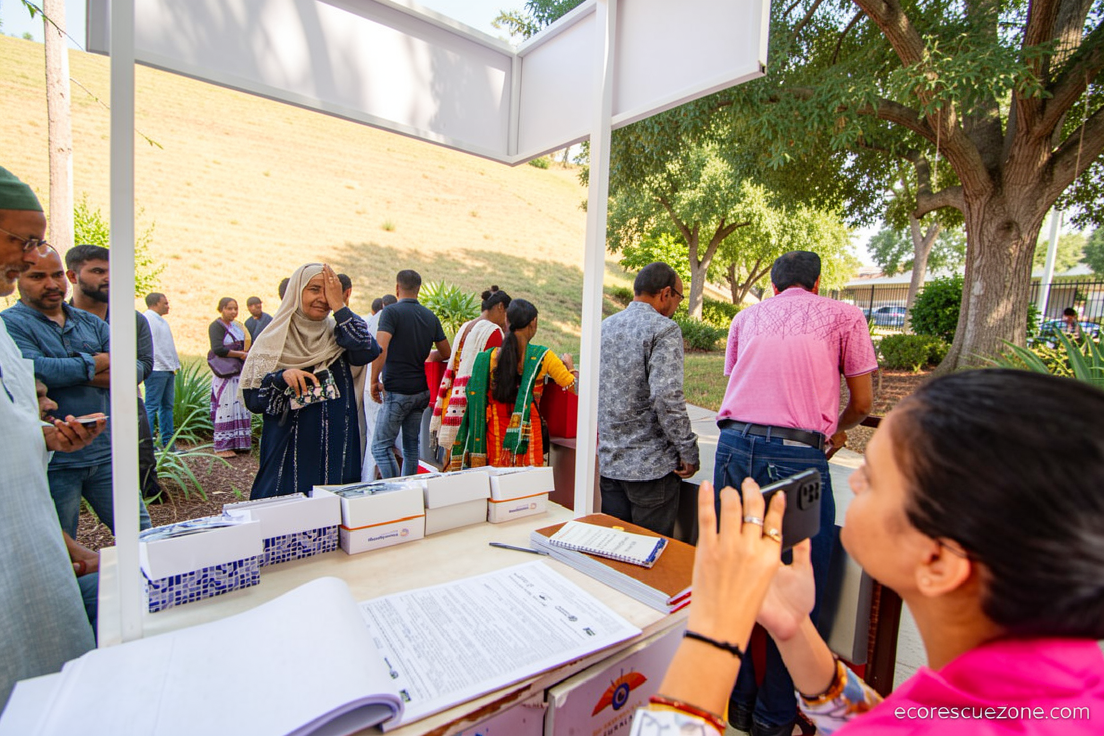
Ecorescuezone.com – Central Sri Lanka has become a stage for an age-old drama playing out between humans and one of the world’s most iconic creatures. For several days, our team worked alongside local agricultural communities as they prepared for the spring rice planting season. The farmers shared stories of encounters with wild elephants that have become increasingly common in recent years. These gentle giants sometimes wander into cultivated fields, crushing rice paddies and destroying crops that families depend on for their survival.
Susitha Fernando, our Sri Lankan colleague who joined us on this journey, helped translate and contextualize the farmers’ experiences. Together, we documented how communities have adapted their strategies to manage these encounters. Firecrackers are thrown to startle the animals, while lit torches create barriers that elephants tend to avoid. Despite these efforts, the situation remains precarious. Farmers are not only losing their crops and income but have also faced serious injuries and even fatalities in these encounters.
A Growing Crisis on the Island
The human-elephant conflict in Sri Lanka has reached critical levels. Hundreds of people and elephants have lost their lives in recent years as the two species increasingly share the same territory. Sri Lanka is home to approximately 7,400 wild elephants, most of which roam freely across the island’s diverse landscapes. However, this freedom is becoming more constrained as human development expands.
The primary driver of this conflict is the conversion of elephant habitats into intensive agricultural land. Central Sri Lanka, in particular, has seen significant transformation. What was once continuous forest and grassland is now fragmented by rice paddies, tea plantations, and residential areas. Millions of people live in these regions, creating a complex web of competing needs for space and resources.
Encounters in the Wild
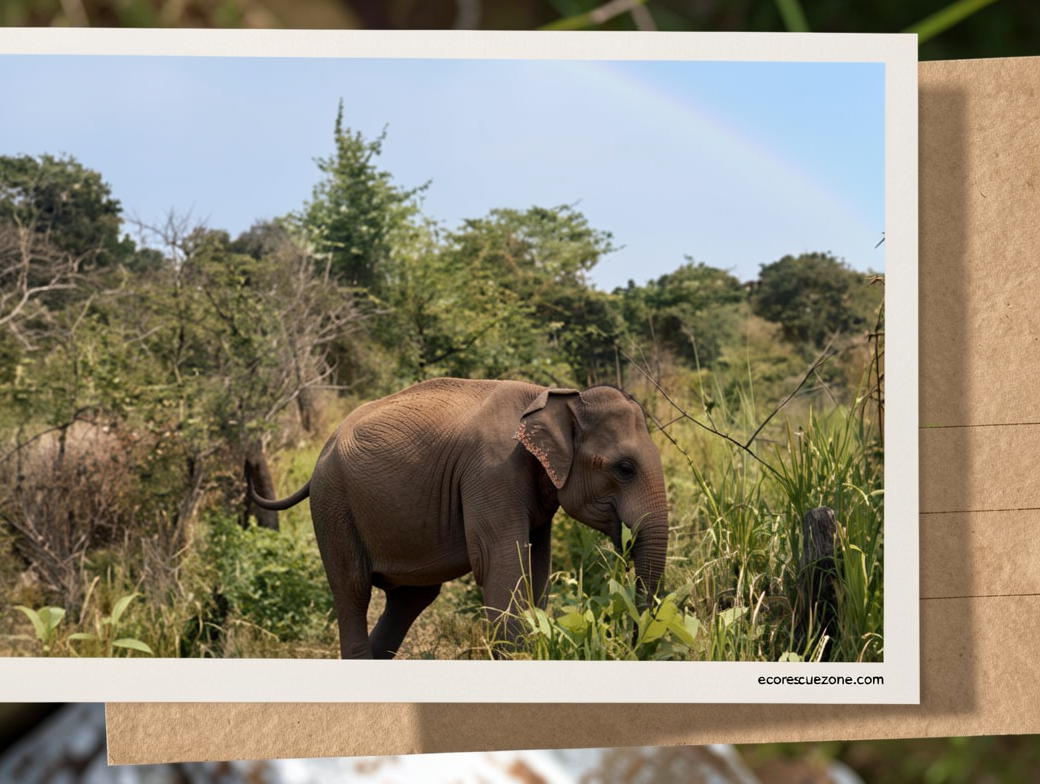
Our journey took us through the Hurulu Eco Park in the Habarana district, one of Sri Lanka’s most important wildlife sanctuaries. The park serves as a refuge where elephants can graze relatively undisturbed. After an hour of bouncing along dusty dirt roads, we turned onto a narrow path that wound through the forest. The sky opened up to reveal a brilliant rainbow stretching across the horizon. Through this natural archway, a large elephant moved with deliberate grace, seemingly unaware of our presence.
Watching this scene, I reflected on what the farmers had shared with us. The conflict affects both sides equally. Elephants are not merely pests to be managed; they are deeply revered creatures in Sri Lankan culture. This reverence is evident in religious practices, folklore, and daily life. Under that rainbow, I felt the weight of this cultural connection—a reminder that these animals are part of something much larger than a simple agricultural dispute.
Understanding the Broader Context
Sri Lanka’s elephant population has faced numerous challenges over the decades. Habitat loss, poaching, and human encroachment have all contributed to population declines. The Hurulu Eco Park, established to protect these animals, represents an important conservation effort. However, conservation alone cannot resolve the conflict when millions of people depend on the same land for their livelihoods.
The spring rice sowing season is particularly critical for farmers in this region. Rice is not just a crop; it is a staple food and a cultural cornerstone. When elephants trample these fields, the consequences extend beyond economic loss. Food security becomes a concern, and the emotional toll on farming families can be significant. Many farmers have lived with these encounters for generations, but the frequency and intensity of conflicts have increased dramatically in recent years.
The situation in central Sri Lanka offers valuable lessons for other regions facing similar challenges. As global populations grow and climate patterns shift, the need for sustainable coexistence between humans and wildlife becomes ever more urgent. Solutions must address both conservation goals and community needs, recognizing that elephants and farmers are not adversaries but partners in a shared landscape.
The conflict has two victims, because elephants are revered here.
This simple observation captures the essence of the challenge. Protecting elephants requires protecting the communities that live alongside them. The rainbow that stretched across the sky during our visit seemed to symbolize hope—a bridge between the ancient world of these magnificent creatures and the modern lives of the farmers who call this land home.
Related Reading
Frequently Asked Questions
What is Greetings from a wildlife park in central?
Greetings from a wildlife park in central is the main topic of this guide. The article explains the context, practical details, and next steps readers should understand.
Why does Greetings from a wildlife park in central matter?
Greetings from a wildlife park in central matters because readers are looking for a useful answer, not just a short summary. Good content should match search intent and help them decide what to do next.