
Transportation Secretary Sean Duffy returns to reality TV roots, sparking criticism and questions
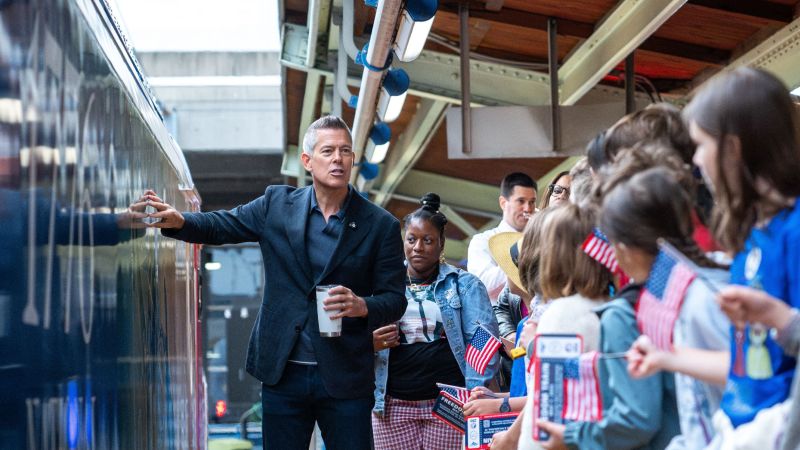
Transportation Secretary Sean Duffy Returns to Reality TV Roots, Sparking Criticism and Questions
Transportation Secretary Sean Duffy returns to reality – Transportation Secretary Sean Duffy’s recent venture into reality television, titled “The Great American Road Trip,” has ignited debate among policymakers and the public. The five-part series, filmed with his family over the past seven months, is set to premiere on YouTube ahead of the United States’ 250th anniversary. While Duffy emphasizes that the project’s costs were covered by a nonprofit organization, critics argue that the timing of the show raises ethical concerns, particularly amid soaring gas prices and economic uncertainty.
Funding and Sponsors Under Scrutiny
Duffy claims the production expenses for “The Great American Road Trip” were entirely funded by the Great American Road Trip Inc., a nonprofit entity. He insists that no taxpayer funds were used to support the family’s activities, which include travel across the country. According to the show’s website, its corporate partners span industries tied to the Department of Transportation, such as Boeing, Shell, Toyota, United Airlines, and Royal Caribbean. This overlap has drawn attention to potential conflicts of interest, as some question whether the partnership benefits Duffy’s political agenda or the sponsors’ interests.
“As everyday Americans struggle with the price of gas and raise concerns about airline safety, the Secretary announces that he spent work time going on a road trip that appears to have been funded by the very industries his agency oversees,” stated Donald K. Sherman, president of Citizens for Responsibility and Ethics in Washington.
The Duffys’ return to the entertainment industry has reignited discussions about their media affiliations. The couple, known for their roles in reality TV, previously appeared together on “Road Rules: All Stars,” an MTV show. Their nine children, including their youngest, are central to the new project, which aims to showcase the nation’s landscapes and cultural diversity. However, the show’s launch coincides with a time when many families are facing financial strain, making such a venture seem less relatable.
American Families in the Spotlight
“To love America is to see America,” Duffy says in the trailer released this week. The clip features the family exploring destinations ranging from open fields to urban centers, with Duffy reflecting on the country’s “vast, beautiful, complicated” nature. The series is positioned as an inspirational journey for viewers, encouraging them to disconnect from daily distractions and reconnect with family. Yet, the timing of its release has drawn criticism, especially with gas prices reaching $4.55 per gallon, a figure that has intensified affordability challenges for many households.
The US-Iran war has exacerbated the financial burden on American families, as fuel costs have climbed sharply. CNN reports that consumer confidence has declined over the past two months, with some families cutting back on essential expenses to manage their budgets. This backdrop makes Duffy’s family trip appear more indulgent than necessary, fueling debates about whether the Secretary is prioritizing personal interests over public welfare.
Political Backing and Public Reaction
Duffy’s partnership with the Department of Transportation has drawn mixed reactions. While the agency’s spokesperson highlighted his efforts to reduce car costs and promote the “energy dominance agenda,” former Secretary Pete Buttigieg criticized the show as “brutally out of touch.” Buttigieg, who served under President Joe Biden, argued that the current economic climate makes such a trip unaffordable for most Americans. His spouse, Chasten Glezman Buttigieg, echoed the sentiment, calling the series “unserious” and pointing out the irony of the Duffys promoting their trip while gas and grocery prices soar.
“Bragging about their multi-month, taxpayer-funded family road trip while gas and grocery prices soar for American families because of Trump’s war of choice,” Chasten Glezman Buttigieg remarked.
Campos-Duffy, who hosts “Fox and Friends Weekend,” defended the project in a trailer statement, asserting that “all production costs were paid for by the non-profit, The Great American Road Trip, Inc.” She added that no family member, including her husband, received payment for their involvement. The nonprofit, which is classified as a 501(c)(4) organization, is described on its website as “proudly partnering with the U.S. Department of Transportation” to share America’s story. The sponsors listed include trade groups, gas companies, and tourism agencies, further blurring the line between public service and private promotion.
Economic Climate and Political Context
Recent polls highlight the growing frustration with the economy under President Donald Trump. According to a CNN survey conducted by SSRS, Trump’s approval rating for handling economic matters dropped to a career low of 31%, reflecting widespread dissatisfaction. Critics argue that Duffy’s reality show, which uses government resources, undermines this sentiment by drawing attention away from pressing issues. The series’ release has also been criticized for occurring during a period when fewer Americans are able to afford leisure travel, with the war’s impact on fuel prices making it harder for families to plan road trips.
Despite the backlash, the Duffys have maintained that the show is a celebration of American values. The family’s seven-month filming schedule involved stops at iconic landmarks, including the Rocky Steps in Philadelphia and the “Real World: Boston” house, where Duffy first gained fame in the reality TV world. However, some view the effort as a calculated move to bolster the administration’s image, particularly with Trump’s approval rating in freefall. The series’ focus on personal experiences, rather than policy discussions, has sparked conversations about the balance between public service and media engagement.
Public Perception and Future Implications
As the trailer gains traction, the debate over Duffy’s decision continues to evolve. While supporters praise the show for its family-centric perspective, opponents question whether it serves as a distraction from the government’s economic struggles. The nonprofit’s role in funding the project is central to this discussion, with critics arguing that the partnership with corporate sponsors could influence the Secretary’s decisions. Meanwhile, the Duffys’ return to the entertainment scene has reminded viewers of their roots in the industry, adding a layer of irony to their current political role.
Ultimately, “The Great American Road Trip” represents more than just a leisurely journey—it symbolizes the intersection of personal ambition and public responsibility. As the series airs, its success will depend on how effectively it resonates with an audience that is increasingly concerned about affordability and economic stability. For now, the show remains a focal point of political discourse, highlighting the challenges of maintaining impartiality in a world where private and public interests often converge.
