
All Cherie DeVaux wanted to do was win the Kentucky Derby. Making history? She’s just glad that part is over
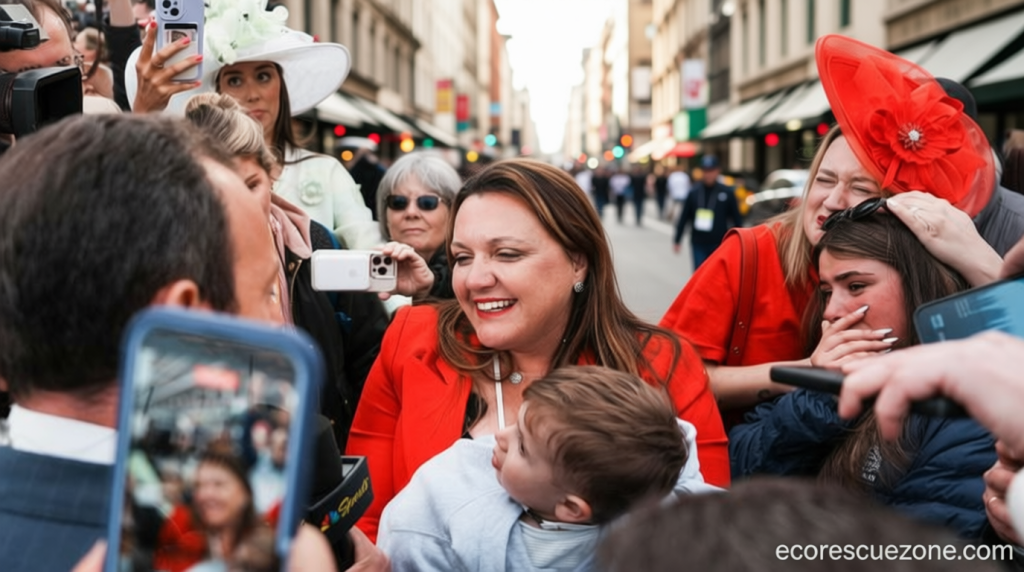
Cherie DeVaux Wins Kentucky Derby, Makes History
All Cherie DeVaux wanted to do was win the Kentucky Derby. Her goal had been clear and simple from the start—focus on the race, not the headlines. Long before the term “manifesting” gained popularity, she had a unique way of keeping track of her aspirations. As a Type A personality, she created a vision board, taping her objectives to the walls of her bedroom. Whether it was academic achievements, athletic breakthroughs, or personal milestones, each goal was meticulously documented. Her mother, Janet, often questioned the grandeur of her ambitions, but DeVaux never wavered. “You just reminded me,” she said during a CNN Sports interview, her voice catching mid-sentence. “Wait,” she added, eyes widening. “I made that vision board before the LeComte.”
The Vision Board That Shaped a Dream
DeVaux’s vision board, created on January 1, 2026, was a blend of personal and professional aspirations. It featured a photo of the rose garland awarded to the Kentucky Derby winner, a symbol she had always admired. The rest of the board was filled with details about her training methods, race strategies, and daily routines. “I always wanted to focus on my career,” she explained. “Using my gender as part of the conversation never really crossed my mind.” Yet, as Golden Tempo, the horse she trained, began to rise in prominence, her ambitions started to take on a new dimension.
What began as a personal project evolved into a historic moment. Four months after the vision board was made, the 152nd Kentucky Derby concluded, and DeVaux stood in the crowd, clutching a single rose from the blanket removed from Golden Tempo. The horse had triumphed, becoming the first in its lineage to win the prestigious race. As its trainer, DeVaux had achieved something unprecedented—breaking a long-standing tradition in the sport. The attention from media outlets like CNN, Pat McAfee, and the Today Show followed swiftly. Even the New York Yankees invited her to throw out the first pitch, a gesture that brought her a week of nonstop interviews.
DeVaux’s victory marked a turning point for the Kentucky Derby. For over a century, the event had been a male-dominated arena, with only three fillies securing first place. No woman had ever won as a trainer. Now, DeVaux had shattered that barrier, becoming the first female trainer to claim the Derby title. “The tagline is there,” she said, acknowledging the historical significance. “But I want the focus to stay on Golden Tempo, not on the ‘first’ part.” Her success proved that skill and dedication could transcend gender, offering a new chapter to the race’s legacy.
A Triumph Beyond the Track
Despite the celebration, DeVaux remained grounded. She never intended to create a symbol of progress when she first made her vision board, but the reality of her achievement brought that recognition. “I’m just glad I don’t have to answer that question anymore,” she joked after the race, her tone laced with both pride and humility. Her mind was always on the next race, the next strategy, the next detail to perfect. Yet, the weight of being the first female trainer to win the Derby was undeniable. “Do I believe in that stuff? I do now,” she reflected, emphasizing how the journey had reshaped her perspective.
Golden Tempo, the horse that made it all possible, has since become more than a racing icon—it’s a testament to DeVaux’s perseverance. She insisted the spotlight should remain on the process, not the label. “I want actual equality,” she said. “I want to be measured on merit, ranked by the same standards as any man, and considered for how I train my horses, not given a pat on the back for being a woman.” Her words underscored a broader message: progress in the sport is about more than breaking records—it’s about redefining what’s possible.
