
US lifts hold on immigration applications for doctors but leaves others waiting
US Lifts Hold on Doctor Immigration Applications, But Others Remain in Limbo
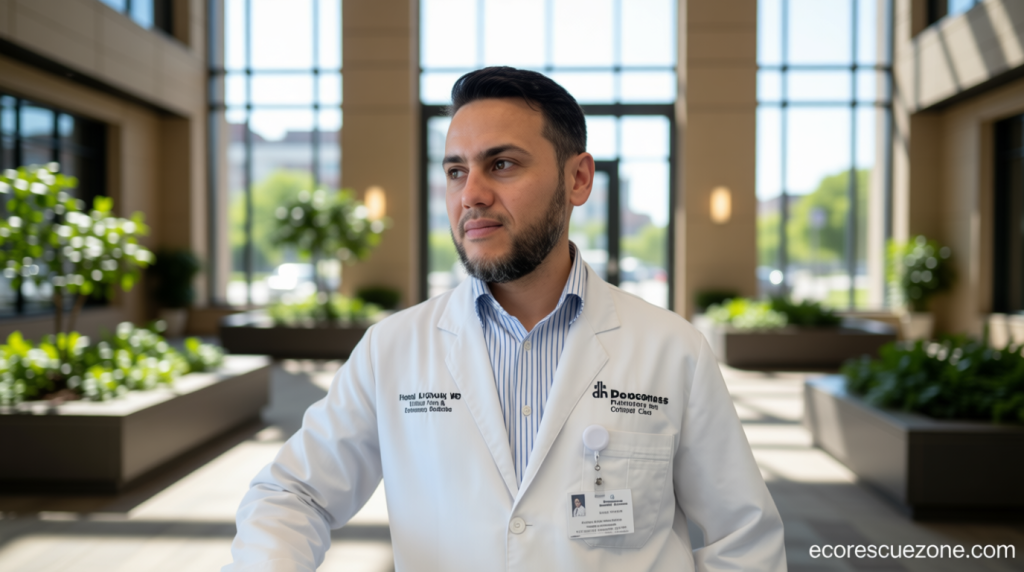
US lifts hold on immigration applications – For Dr. Faysal Alghoula, a Libyan physician working in southwestern Indiana, the U.S. immigration freeze has created a precarious situation. He relies on his green card to treat approximately 1,000 patients, yet the Trump administration’s pause on visa and green card applications for individuals from high-risk countries has left him in limbo. With his current visa set to expire in September, Alghoula faces the possibility of losing his ability to continue practicing medicine if his application is not approved. However, a recent change may offer a glimmer of hope, as the administration quietly introduced an exemption for medical doctors whose applications are still pending.
A Temporary Break for Physicians
The exemption, though modest, marks a significant shift for healthcare professionals. Advocacy groups and immigration attorneys had long pressured the administration to prioritize the needs of doctors, especially as the U.S. faces a critical shortage of medical staff. According to the National Library of Medicine, a large percentage of doctors in the country are trained abroad, often filling roles in rural and underserved regions. This has led to mounting concerns about the impact of the immigration pause on patient care.
Dr. Alghoula, a pulmonologist and Intensive Care Unit specialist, exemplifies the challenges faced by many in the field. “It is about four to five months wait to get the pulmonologist here,” he explained, highlighting the urgency of his situation. While the exemption allows his application to move forward, applicants and legal experts remain uncertain about its long-term effects. The change enables review of medical professionals’ cases, but it does not guarantee approval. Moreover, the question remains whether U.S. Citizenship and Immigration Services will be able to process these applications before deadlines, such as Alghoula’s September expiration date.
The uncertainty surrounding the exemption intensified last week when Alghoula learned his interview, scheduled for early June, had been canceled without prior notice. “I’m still scared to go to my interview,” he admitted, noting his doubts about the administration’s commitment to approving his case. He cited reports of immigrants being detained during renewal appointments, which have fueled his apprehension about the process.
Broader Impacts of the Immigration Freeze
While doctors may see a temporary reprieve, the pause continues to affect thousands of others, including researchers and entrepreneurs from 39 countries such as Iran, Afghanistan, and Venezuela. These individuals are unable to legally work, obtain health insurance, or secure a driver’s license. If they leave the U.S., they risk being denied re-entry, further complicating their circumstances.
The Trump administration’s decision to halt green card and visa reviews for high-risk countries was rooted in concerns about public assistance use and national security. This year, the pause expanded to over 75 countries, reflecting a broader strategy to restrict immigration. The move coincided with a government-wide effort to tighten immigration policies, with officials emphasizing the need for better screening and vetting of applicants.
One of the administration’s key arguments for the pause was the shooting of two National Guard troops by an Afghan citizen. Officials claimed this incident underscored the consequences of inadequate vetting processes. The Department of Homeland Security, which oversees immigration officials, defended its actions, stating it aims to ensure proper scrutiny of applicants. “There are lots of bans and lots of pauses that are happening right now,” said Greg Siskind, an immigration attorney in Memphis, Tennessee. “It is all about making life miserable for people who are here legally so they will choose other countries.”
A Legal Battle for a Green Card
The pause has sparked legal action from affected individuals, with Dr. Zahra Shokri Varniab being a notable example. An Iranian radiology researcher who arrived in the U.S. three years ago, she was waiting for her green card to attend a residency program. Her application, however, became stuck in the freeze, leading her to file a lawsuit against the government. A federal judge ordered immigration officials to review her case, which they did—but ultimately denied her request.
Shokri Varniab, 33, described the outcome as a form of retaliation for her legal challenge. “I feel completely confused,” she said in a court filing. The U.S. government’s lawyers argued that her application contained “insufficient evidence to justify expedited processing.” Despite this, Shokri Varniab’s case has become a symbol of the broader struggle faced by immigrants under the current system. Her experience reflects the frustration of many who have been waiting for years without clear resolution.
Before the exemption, several immigrants had filed federal lawsuits demanding clarity on their applications. The administration’s slow response to these cases has left many in a state of uncertainty. While the exemption for doctors is a step in the right direction, it remains unclear how many professionals have been impacted by the pause. A spokesperson for the American Academy of Family Physicians noted that multiple doctors have reached out to the organization for assistance, underscoring the growing concern among healthcare workers.
The exemption, though a welcomed change, does not fully address the systemic issues at play. For instance, the process of renewing visas or green cards for doctors still requires navigating a complex bureaucracy. Some argue that the pause has created a backlog, with officials struggling to keep up with the volume of applications. Even with the exemption, the timeline for approvals remains tight, and doctors like Alghoula may still face delays that jeopardize their ability to serve patients.
As the U.S. continues to grapple with staffing shortages in healthcare, the exemption for doctors has been praised as a necessary measure. However, it also highlights the disparity in how different groups are treated under the current immigration policies. While physicians receive a reprieve, others remain trapped in a system that prioritizes political considerations over practical needs. The administration’s actions, whether intentional or not, have created a climate of uncertainty for immigrants across the country.
For now, Dr. Alghoula’s fate is uncertain. He remains hopeful but cautious, aware that the immigration system is still fraught with challenges. “I don’t know what that means for my application,” he said, reflecting the anxiety of many in his position. The exemption may alleviate some immediate concerns, but it does not guarantee a swift resolution. As the administration continues to refine its policies, the stories of individuals like Alghoula and Shokri Varniab serve as reminders of the human cost of immigration restrictions.
