
US inflation rose to 3.8% in April, eroding Americans’ paychecks
US Inflation Hits 3.8% in April, Outpacing Wage Growth
US inflation rose to 3 8 – The Bureau of Labor Statistics (BLS) reported that the U.S. Consumer Price Index (CPI) surged to a 3.8% annual inflation rate in April, marking a notable shift in the economic landscape. This figure, the highest since May 2023, reflects a monthly increase of 0.6% in prices, surpassing earlier forecasts. Economists had anticipated a modest rise of 0.6% compared to March, with the annual rate expected to settle at 3.7%. The data, released Tuesday, signals a renewed challenge for households navigating rising costs amid stagnant wage growth.
Shifting Dynamics After the Iran War
Before the late-February US-Israeli strikes on Iran, inflation had moderated to 2.4%. However, the conflict reignited price pressures, particularly in energy markets. The ongoing war has exacerbated affordability issues for Americans, who have already grappled with years of rapid price increases. “Consumers are feeling the strain of a cost-of-living crisis that’s becoming more pronounced,” noted Sung Won Sohn, a finance and economics professor at Loyola Marymount University, in his analysis.
The energy price spike, tied to the war, is compounding existing challenges. While the monthly increase in energy prices was less severe than March’s record 21.2% jump, it still contributed significantly to the overall inflation rate. The BLS attributes 40% of April’s inflation rise to energy-related costs, underscoring the sector’s pivotal role in shaping consumer expenses. Additionally, housing-related price hikes, categorized under “shelter,” added another layer of pressure. This category, which carries substantial weight in the CPI basket, climbed 0.6% in April, double the March rate, and now stands at 2.8% annually.
Wage Growth Slides Below Inflation
For the first time since April 2023, inflation has outpaced wage growth, leaving households with less purchasing power. Annual inflation-adjusted average hourly wages stagnated, rising just 3.6% from the previous year. In contrast, prices rose 3.8%, reversing a trend where wage gains had previously offset cost increases. This development is particularly concerning as it signals a potential slowdown in labor market recovery.
Augustine Faucher, senior vice president and chief economist at PNC Financial Services Group, highlighted the growing strain on consumers: “The labor market has softened, and with that, paychecks are no longer keeping up with the rising cost of living.” The post-pandemic inflationary spike, which saw prices climb to a four-decade high of 9.1% in 2022, had initially lifted wages. Yet, as inflation eased, many Americans began to see relief. That relief has now faded, with the latest data revealing a widening gap between income and expenses.
Energy and Food Price Pressures
The energy price shock from the Iran conflict is rippling through everyday expenses, making essential goods more costly. Gas prices, while increasing at 5.4% in April, still lag behind the March surge. However, the rise remains significant, with the second-fastest monthly increase since late 2023. Electricity costs, which had already climbed due to data center demand, weather patterns, and infrastructure expenses, saw a 2.1% monthly jump in April—the fastest such increase in over four years.
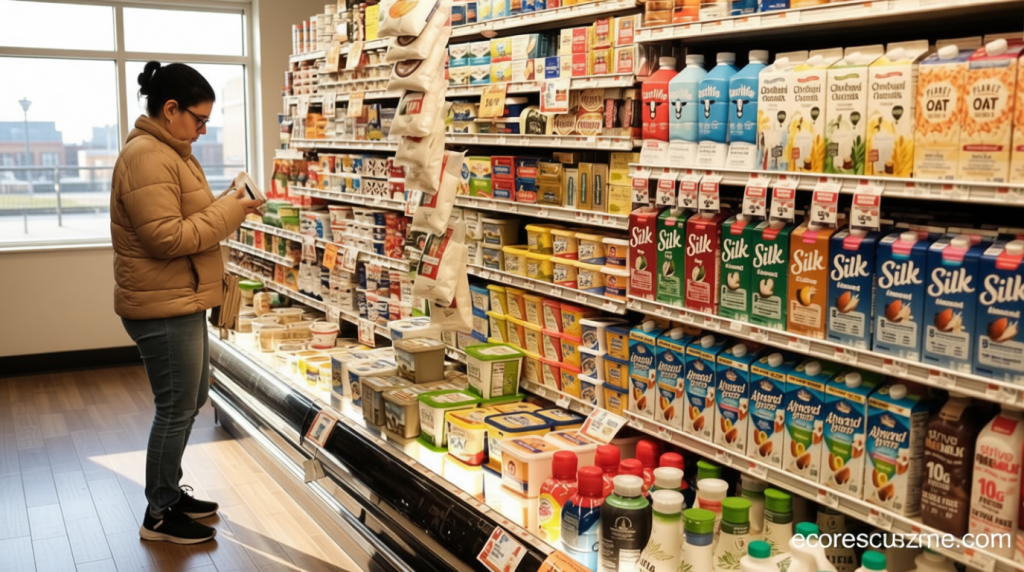
Food prices also rose, with the CPI category showing a 0.5% monthly increase. Grocery items climbed 0.7% in April, pushing the annual rate to 3.2%. Fresh produce and meats, including beef, continued to see steep gains, while tomatoes experienced a particularly sharp 15% rise for the second consecutive month. “The war’s impact is tangible in the grocery store,” remarked Joe Brusuelas, RSM US chief economist. “Americans are now paying more for items that were once affordable.”
Statistical Adjustments and Underlying Inflation
The inflation surge in April was influenced by a statistical adjustment linked to the government shutdown in October 2025. During that period, the BLS could not fully collect CPI data, leading to an assumption that rental inflation was zero for the month. This anomaly caused the annual inflation rate to appear lower than it should have been. The next rent survey collection after October was delayed by six months, resulting in a sudden acceleration of shelter costs in April.
Oliver Allen, a senior U.S. economist at Pantheon Macroeconomics, described this as a “statistical artifact” that temporarily masked underlying inflation trends. Core CPI, which excludes food and energy, still recorded a 0.4% monthly increase and a 2.8% annual rise, indicating that inflationary pressures persist even outside volatile categories. The shelter component, which constitutes a large portion of the CPI, now accounts for a sharper-than-usual spike, reflecting the delayed data collection and the ongoing housing affordability crisis.
Broader Economic Implications
As inflation remains stubbornly high, the Federal Reserve faces mounting pressure to adjust its monetary policy. The recent data suggests that rate cuts may be necessary to ease economic strain, especially as consumers struggle to keep up with rising costs. “This is a clear sign that the Fed’s tightening cycle may soon reverse,” said Allen, emphasizing the need for policy flexibility.
The compounding effect of energy and housing costs has created a dual burden for households. While some sectors, like groceries, show varied price trends, others, such as transportation and utilities, have seen consistent increases. The BLS’s rotating panel methodology for rent surveys, which initially underestimated inflation in October, is now contributing to a more accurate reflection of current price pressures. This adjustment highlights the complexity of tracking inflation, particularly when seasonal or geopolitical factors disrupt normal patterns.
Consumer Sentiment and Long-Term Concerns
Consumer sentiment continues to decline as the cost-of-living crisis intensifies. “My life is not affordable. No one cares,” a common refrain among Americans, reflects widespread frustration. The combination of energy shocks, housing inflation, and food price increases is straining household budgets, particularly for low- and middle-income earners. This situation is likely to persist as supply chain disruptions and global geopolitical tensions affect production and distribution.
The war’s impact extends beyond oil, with the Strait of Hormuz closure disrupting the flow of critical materials such as fertilizers, aluminum, and helium. These shortages are creating ripple effects across industries, from agriculture to manufacturing. The BLS data reveals that even within the food category, prices for fresh fruits and vegetables rose by 2.3% in April, the largest monthly increase since 2010. This trend underscores the interconnected nature of global markets and domestic inflation.
Despite the challenges, some sectors have shown resilience. For example, while energy prices remain elevated, the overall CPI increase of 0.6% in April suggests that not all categories are experiencing the same level of pressure. However, the cumulative effect of sustained inflation and wage stagnation is beginning to reshape economic expectations. As the Fed weighs its next steps, the question remains: Will the current inflationary environment lead to a prolonged period of rising costs, or is this a temporary fluctuation in an otherwise stable economy?
The data released Tuesday serves as a stark reminder of the delicate balance between inflation and wage growth. While the October statistical anomaly has been corrected, the new inflation rate of 3.8% highlights the ongoing challenges facing American consumers. With energy, housing, and food prices all contributing to the trend, the path to economic stability may require more than just policy adjustments—it could demand a broader reevaluation of how inflation is measured and managed in the modern era.
