
Shakira, Madonna and BTS to headline 2026 World Cup Final halftime show
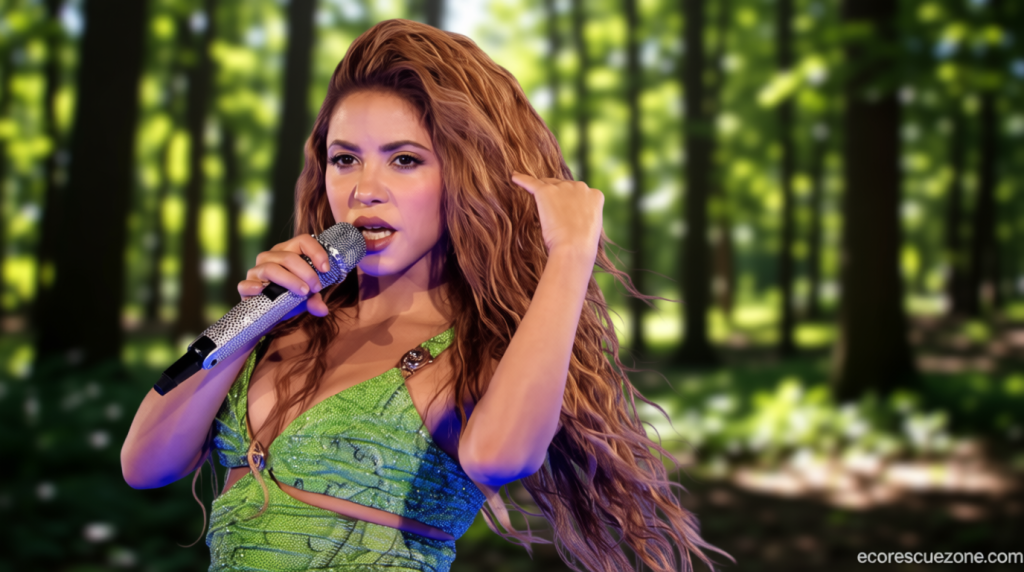
Shakira, Madonna and BTS to headline 2026 World Cup Final halftime show
Shakira Madonna and BTS to headline 2026 – FIFA has confirmed that the first-ever World Cup final halftime show will be a global spectacle, featuring performances by renowned artists Shakira, Madonna, and K-pop group BTS. The announcement was made through an Instagram post on Thursday, marking a historic shift in the format of the world’s most prestigious soccer event. The final is scheduled to take place on July 19, 2026, at Metlife Stadium in New Jersey, where it is expected to attract millions of international viewers beyond the live audience. This momentous addition to the tournament’s lineup follows the announcement that the 2026 World Cup will begin on June 11, 2026, in Mexico City, with matches spread across multiple venues in the United States, Canada, and Mexico.
The New Era of World Cup Entertainment
The inclusion of a halftime show at the World Cup final represents a bold step toward integrating cultural and musical elements into the sport’s global appeal. While soccer has long been a unifying force, this decision aims to elevate the event’s status as a platform for international collaboration and artistic expression. The halftime performance, which will be curated by Chris Martin of the band Coldplay, is set to be produced by the non-profit organization Global Citizen. This partnership is expected to generate significant attention, as the production will support the FIFA Global Citizen Education Fund—a landmark initiative focused on expanding educational opportunities and football programs for children worldwide.
The FIFA Global Citizen Education Fund has been designed to raise $100 million USD through the sale of World Cup 2026™ tickets. According to FIFA, “USD 1 from every ticket sold to FIFA World Cup 2026™ matches will be donated to the Fund,” ensuring that the event’s entertainment value aligns with its social impact. This innovative approach not only highlights the cultural significance of the World Cup but also demonstrates FIFA’s commitment to leveraging global events for charitable causes. The halftime show, however, may require adjustments to the traditional 15-minute halftime break, as the International Football Association Board’s rules stipulate that breaks should not exceed this duration. Whether the timeline will be extended to accommodate the performance remains uncertain, though the Super Bowl’s example suggests that such flexibility is possible.
A Historic Collaboration with Global Citizen
Chris Martin’s role as curator of the halftime show underscores the blend of music and sports in the 2026 tournament. His involvement brings a unique perspective, given Coldplay’s reputation for large-scale performances and their ability to connect with diverse audiences. The production team from Global Citizen, known for its work in high-profile events like the Live Earth concerts, will ensure that the halftime show is both visually and musically compelling. The organization’s mission to create sustainable solutions for global challenges may also be reflected in the event’s design, incorporating themes of unity, diversity, and shared aspirations.
The anticipation for the halftime show has been building since FIFA president Gianni Infantino hinted at the initiative in March 2025. In a statement at that time, he emphasized the importance of the performance, saying,
“This will be a historic moment for the FIFA World Cup and a show befitting the biggest sporting event in the world.”
The combination of iconic performers like Shakira, a reggaeton and pop music legend, and global superstars such as Madonna, whose career spans decades, promises to deliver a multifaceted celebration of music and sport. Meanwhile, BTS’s participation adds a dynamic element, as their popularity in Asia and beyond has made them a natural choice to engage a broad international audience.
Broader Implications for the World Cup
The decision to introduce a halftime show at the final aligns with FIFA’s broader strategy to modernize the tournament and make it more accessible to younger generations. By featuring artists who appeal to different demographics, the event is likely to draw a wider range of viewers, fostering greater engagement with the sport. This change also reflects the growing influence of music and entertainment in sports, as seen in events like the Super Bowl and the Olympics. The 2026 World Cup, which will be hosted jointly by the U.S., Canada, and Mexico, is poised to become a cultural phenomenon, blending athletic competition with artistic innovation.
In addition to the halftime show, the opening ceremony of the 2026 World Cup will also feature a star-studded lineup, with reggaeton superstar J Blavin taking the stage in Mexico City. The ceremony will be joined by a diverse array of artists, including Alejandro Fernández, Belinda, Danny Ocean, Lila Downs, Los Ángeles Azules, Maná, and Tyla. This combination of musical talent and cultural representation highlights the World Cup’s role as a celebration of global diversity. The opening ceremony, much like the final’s halftime show, will serve as a platform to promote the FIFA Global Citizen Education Fund, reinforcing the tournament’s dual purpose of entertainment and social impact.
The 2026 World Cup is set to mark the beginning of a new era in international football. With its unique format and international venues, the tournament will be the first to be held across three countries, a decision that has generated excitement among fans and stakeholders. This expansion not only increases the number of matches and fan interactions but also broadens the reach of the event, ensuring that it remains a global conversation. The halftime show at the final is expected to be one of the most anticipated aspects of the tournament, as it represents a departure from the traditional structure of the World Cup.
As the countdown to the 2026 World Cup continues, the integration of high-profile performances like those by Shakira, Madonna, and BTS signals a shift toward a more immersive and multifaceted experience. While the official rules of soccer remain unchanged, the possibility of extending the halftime break to allow for a more elaborate performance is a topic of discussion. This flexibility will be crucial in ensuring that the halftime show matches the grandeur of the event it precedes. The collaboration between FIFA and Global Citizen, along with the inclusion of diverse musical talents, aims to create a lasting legacy that transcends the sport itself.
Legacy and Impact of the 2026 World Cup
The 2026 World Cup is not just a sporting event; it is a platform for storytelling, cultural exchange, and social progress. The halftime show, in particular, will serve as a microcosm of this ambition, showcasing artists who have shaped global music culture. Madonna’s inclusion is a nod to her enduring influence, while BTS’s presence reflects the growing prominence of K-pop on the world stage. Shakira’s participation highlights the enduring power of music in bridging cultures and generations. Together, these performers will create an atmosphere that complements the intensity of the World Cup matches, offering fans a moment of respite and inspiration.
As the tournament approaches, the focus will remain on delivering an unparalleled experience for audiences worldwide. The halftime show at the final is expected to be a defining moment, not only for the event but for the sport as a whole. With its emphasis on education and community, the FIFA Global Citizen Education Fund will ensure that the World Cup’s cultural and artistic offerings contribute to meaningful change. The 2026 World Cup, in its entirety, is set to be remembered as a landmark celebration of both music and sport, with its halftime show standing out as a pioneering effort to merge these worlds.
