
You can reverse much of the damage alcohol has done to your body, science says
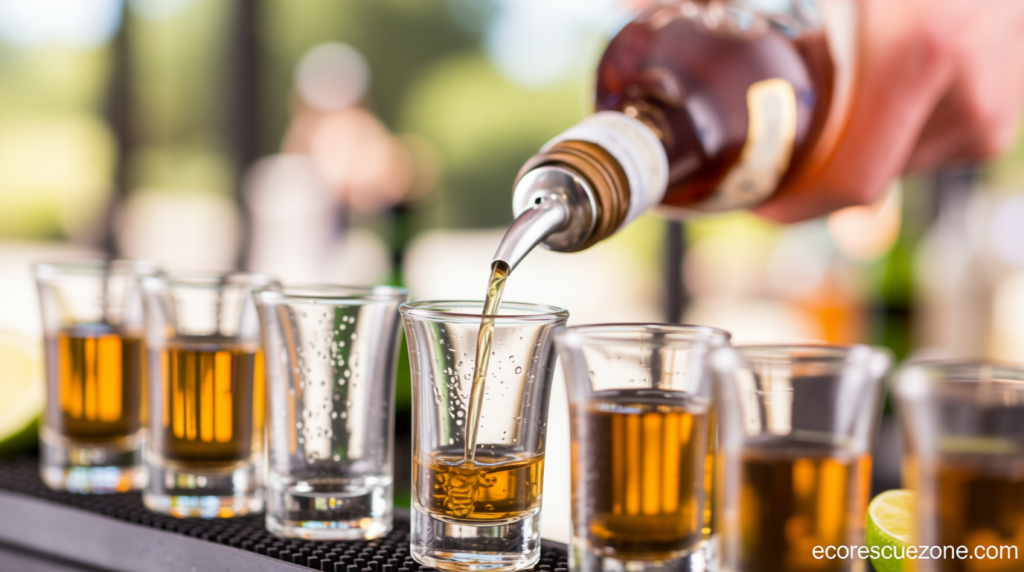
You can reverse much of the damage alcohol has done to your body, science says
You can reverse much of the damage – Alcohol often feels like an inseparable part of everyday life. Whether it’s a beer shared with colleagues, a glass of wine to unwind after work, or a cocktail during a social gathering, the drink is woven into routine. Yet, the same habit that brings comfort can also undermine health in profound ways. Scientists warn that even moderate consumption may weaken the body’s defenses against infections and elevate the risk of conditions like cancer and heart disease. But there’s hope: recent studies suggest that many of these harms can be mitigated or undone if action is taken early enough.
Alcohol’s Toxic Impact on the Immune System
Dr. Andrew Freeman, a cardiovascular prevention specialist at National Jewish Health in Denver, explains that alcohol is “inherently toxic.” While it’s used to sanitize surfaces and eliminate germs, its effects on the human body are more complex. “The question isn’t just whether alcohol is harmful,” he says, “but whether any amount is truly safe.” A growing body of research challenges the idea of a risk-free level, particularly for long-term health. According to Jürgen Rehm, a senior scientist at the Institute for Mental Health Policy Research in Toronto, alcohol is directly responsible for 62 distinct disorders, from less familiar ailments like gastritis and fatty liver disease to well-known conditions such as cirrhosis and fetal alcohol syndrome.
“These conditions are 100% alcohol attributable,” Rehm asserts. “Without alcohol use, these diseases would not exist.”
His research, conducted since 2003 in collaboration with the World Health Organization and global experts, highlights the extent of alcohol’s role in disease. While 62 disorders are entirely linked to alcohol, another 30 are influenced by it to varying degrees. For instance, breast cancer and dementia may still occur without alcohol, but its consumption contributes significantly to their prevalence.
Even a single drink can begin to erode the immune system’s effectiveness. Within 20 minutes of consumption, key white blood cells—macrophages, neutrophils, and natural killer cells—experience a drop in function. This impairs the body’s ability to combat viruses, bacteria, and even cancer cells. Chronic drinking exacerbates the damage, potentially causing permanent harm to these vital components. Rehm notes that heavy drinkers, who consume more than 40 grams of pure alcohol daily for women or 60 grams for men, face the most severe consequences. This equates to 1.4 ounces of liquor for women and 2.1 ounces for men, a measure that underscores the surprising volume of alcohol in everyday beverages.
Alcohol’s Role in Reducing Longevity
Rehm’s team developed a free app to quantify the impact of alcohol on lifespan. The tool calculates how many minutes and days of life are lost with each drink, while also showing the potential gains when consumption stops. This data reveals a sobering truth: alcohol’s effects on health are not limited to acute issues. Over time, it can erode the body’s defenses, leading to chronic conditions that shorten life expectancy.
Booze is not restricted to spirits alone. Red and white wine, beer, hard cider, and other fermented drinks all contain alcohol, and their impact on the body can be just as significant. The rise in binge drinking, once associated primarily with younger demographics, is now evident in older adults and women over 30. A single episode of binge drinking—defined as consuming four or more drinks within a few hours—can disrupt immune function for up to 24 hours, leaving the body more susceptible to illnesses like pneumonia, HIV, and tuberculosis.
“Our app helps visualize the cost of each drink,” Rehm explains. “It’s a powerful way to understand how alcohol affects your health over time.”
Despite these risks, the damage is not irreversible. Science shows that many of the conditions linked to alcohol can be slowed, stopped, or even reversed with timely intervention. For example, short-term alcohol use may impair immune response, but the body often recovers within days to a week, depending on the level of consumption. Chronic use, however, can have lasting effects, particularly on immune cells that are critical for fighting infections.
Reversing the Harm: A Path to Recovery
Rehm emphasizes that early action is key to reversing alcohol-related damage. If someone recognizes the impact of their drinking habits, they can take steps to rebuild their health. This includes reducing or eliminating alcohol intake, adopting a balanced diet, and engaging in regular physical activity. The reversibility of these effects varies based on the duration and quantity of alcohol consumed, but studies suggest that many impairments can be partially restored.
Consider the immune system as a metaphor for overall health. Just as a single drink can weaken its response, prolonged exposure to alcohol may compromise other bodily systems. For instance, fatty liver disease and gastritis often resolve when drinking stops, while heart disease and diabetes may improve with lifestyle changes. The human body is remarkably resilient, but this requires consistent effort and awareness.
One of the most encouraging findings is that even long-term heavy drinkers can see improvements. Rehm points out that the concept of “heavy” drinking is often misunderstood. For example, a standard cocktail might contain one ounce of spirits, and over time, these small quantities can accumulate to meet the threshold of heavy use. This realization can motivate individuals to reassess their habits and take control of their health.
While the numbers may seem daunting, the message is clear: alcohol’s harmful effects are not insurmountable. By understanding the risks and making informed choices, people can protect their bodies from the long-term damage. The science provides a roadmap, showing that recovery is possible with dedication and the right approach. Whether it’s avoiding alcohol altogether or cutting back, the path to wellness lies in taking action before the damage becomes irreversible.
In conclusion, the relationship between alcohol and health is multifaceted. From its immediate effects on the immune system to its long-term contributions to chronic disease, alcohol’s impact is widespread. However, the latest research offers a silver lining: the body’s capacity to heal remains intact, and many of the harms caused by drinking can be undone. The challenge lies in recognizing these risks and committing to change. As Rehm’s work demonstrates, the tools to reverse alcohol’s damage are available, and the journey to wellness begins with a single step—whether that’s reducing intake, quitting altogether, or simply becoming more mindful of how alcohol affects the body.
