
Big lessons the US can learn from a country with one of the fastest-growing lifespans
Big Lessons the US Can Learn from a Country with One of the Fastest-Growing Lifespans
Big lessons the US can learn – When it comes to extending life, South Korea has emerged as a global standout. The country’s life expectancy has climbed by an impressive 7.94 years since 2000, placing it among the top performers in the developed world. In contrast, the United States has seen its rankings slip, now trailing behind many nations in this critical health metric. This divergence has sparked interest in understanding the unique strategies South Koreans employ to achieve longer, healthier lives—and what the US might adopt to reverse its trend.
From School Lunches to Daily Habits: A Nutritional Revolution
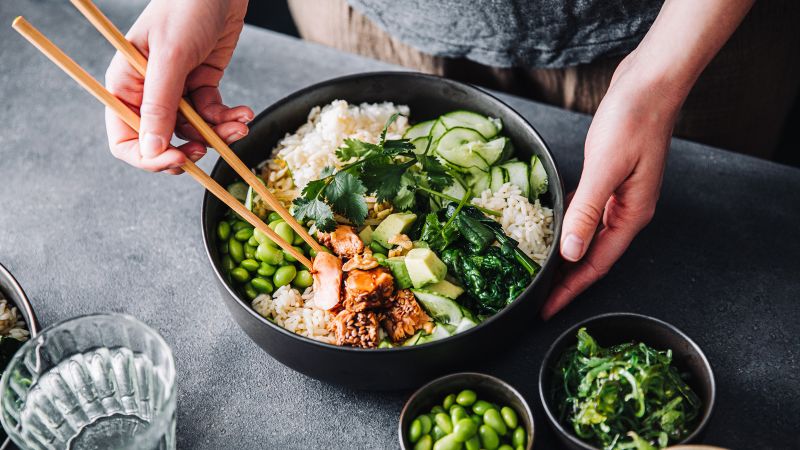
One of the most striking examples of South Korea’s approach to longevity is its school lunch program. During a visit to a local school, journalist Kara Swisher observed students’ meals and was taken aback by the variety and nutritional value. The plates featured lettuce wraps, radish-chive salad, kimchi, and seasonal fruits—choices that emphasize both flavor and health. This system isn’t just about feeding children; it’s a deliberate effort to instill lifelong habits. School nutritionists like Yeonju Kim work closely with students to design meals that are not only balanced but also educational, teaching them about healthy eating from an early age.
Yet, the benefits of this program extend beyond the classroom. According to a 2023 report by the US Centers for Disease Control and Prevention, nearly half of children aged 1 to 5 in America skip vegetables daily, while a third avoid fruit altogether. This pattern persists into adulthood, with a 2025 study revealing that almost half of American adults consume diets lacking in essential nutrients. The quality of these diets is measured against the American Heart Association’s primary diet score, which prioritizes whole grains, healthy proteins, and minimally processed foods. Diets like the MIND (Mediterranean-DASH Intervention for Neurodegenerative Delay) and Mediterranean styles have been linked to both extended lifespan and reduced cognitive decline. These findings underscore a growing awareness of the role nutrition plays in overall health.
Lifestyle Factors That Define a Healthier Future
South Korea’s success in longevity isn’t solely tied to diet. Dr. Geon-Ha Kim, a neuroscientist at Ewha Womans University Medical Center, highlights three pillars: physical activity, social connection, and mental engagement. These elements form the foundation of a lifestyle that supports not just survival, but vitality. For instance, Park Mak-rye, a social media personality known as “Korea Grandma,” shares her routines online, emphasizing the power of community and consistent habits. At 79 years old, she attributes her well-being to a combination of healthy cooking, skincare practices, and regular exercise. Her approach isn’t just about individual effort; it’s about integrating these practices into daily life through shared experiences with friends.
“I’m with friends laughing all day. There’s no room for sickness,” Park said.
Research supports this perspective. A 2023 study found that regular exercise, which elevates heart rate and breathing, can reduce the risk of early death by up to 40%. Conversely, those experiencing loneliness or social isolation face a 32% higher chance of premature mortality. The study also suggests that participation in arts and culture may slow aging, offering a compelling case for the importance of mental and emotional well-being.
The Healthcare System: Prevention vs. Treatment
Another key distinction between the US and South Korea lies in their healthcare systems. Hieun Shin, an Agence France-Presse journalist covering life in South Korea, notes that the country’s focus on prevention sets it apart. In the US, the current system often rewards treatment over prevention, as physicians earn substantial reimbursements for procedures like heart bypass surgeries but receive minimal payment for addressing lifestyle risks. Dr. Karen Studer, chair of the preventive medicine department at Loma Linda University School of Medicine, explains that this financial incentive discourages proactive care. “No one wants to pay for prevention,” she remarked, highlighting a systemic bias toward reactive rather than preventive health strategies.
In South Korea, the emphasis on proactive health is evident. Healthcare professionals are routinely consulted for even minor issues, from colds to back pain, reflecting a culture that prioritizes early intervention. This accessibility and focus on long-term wellness contribute to better health outcomes, reducing the burden of chronic diseases. The country’s approach also extends to public health campaigns that promote regular check-ups and preventive measures, ensuring that small changes accumulate over time.
How to Bridge the Gap: Practical Steps for the US
For Americans seeking to improve their longevity, the lessons from South Korea are clear. First, rethinking nutrition is essential. Encouraging schools to expand meal programs and educating families about the benefits of fresh, diverse diets can help shift dietary habits. Second, fostering social connections and engaging in mentally stimulating activities should be integrated into daily routines. Whether through community programs or personal hobbies, these practices offer measurable health benefits. Finally, the US must incentivize preventive care within its healthcare framework. By rewarding physicians for promoting healthy lifestyles and investing in public health initiatives, the nation can move closer to South Korea’s model.
South Korea’s rapid gains in life expectancy are a testament to the power of collective action and systemic support. From early childhood to old age, the country’s commitment to nutrition, activity, and preventive care creates a culture where longevity is not an accident, but a shared goal. As the US continues to grapple with declining health metrics, adopting these strategies could be the key to reversing the trend. The path to a longer life, it seems, begins with small but meaningful changes—changes that are within reach for anyone willing to embrace them.
