
What we know about the latest Ebola outbreak after WHO declares global health emergency
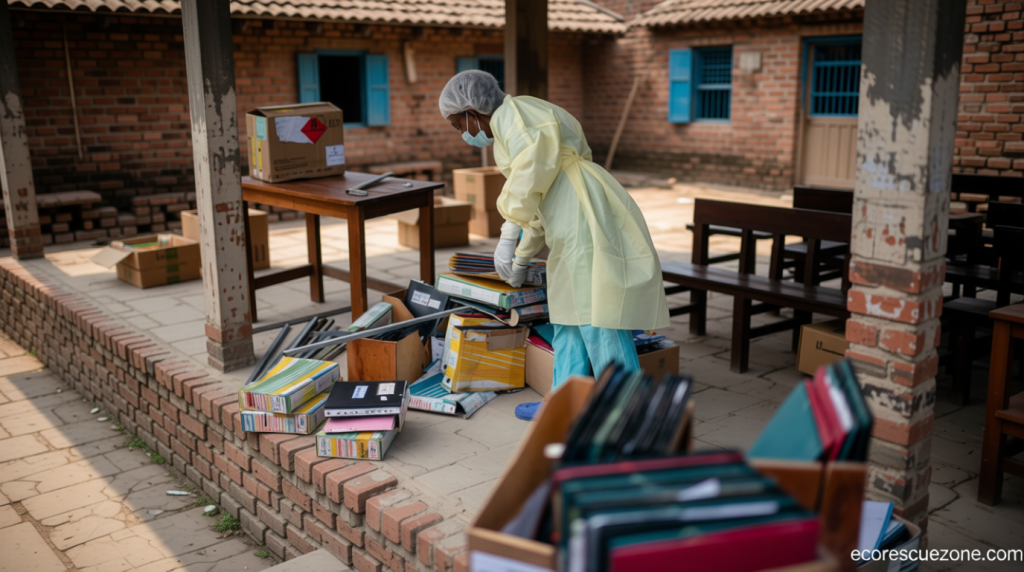
Global Health Alert: Ebola Outbreak in Congo and Uganda Escalates
What we know about the latest – The World Health Organization (WHO) has elevated the Ebola situation in the Democratic Republic of Congo (DRC) and Uganda to a “public health emergency of international concern,” signaling heightened global attention to the crisis. While the outbreak, caused by the Bundibugyo virus, has not yet reached the threshold of a “pandemic emergency,” the organization emphasized the urgency of containment efforts due to its rapid spread and potential for cross-border transmission. With over 246 suspected cases and at least 80 fatalities reported, health officials are cautioning that the epidemic could expand significantly if not addressed swiftly. This development follows a pattern of recurring outbreaks in the DRC, marking the country’s 17th such event since the first documented case in 1976.
Understanding the Virus and Its Impact
Ebola, a severe and frequently lethal illness, spreads through direct contact with the bodily fluids of an infected person, such as blood, saliva, or sweat, according to the Africa Centres for Disease Control and Prevention (Africa CDC). Contaminated objects, like syringes or bedding, can also transmit the virus, as can contact with surfaces touched by an Ebola victim. Early symptoms typically include fever, exhaustion, muscle aches, and a sore throat, which may progress to vomiting, diarrhea, and abdominal pain. In advanced stages, internal and external bleeding can occur, making the disease particularly dangerous in resource-limited settings.
The Bundibugyo strain, which is responsible for the current outbreak, belongs to the six known Ebola virus species. However, only three—Ebola virus, Sudan virus, and Bundibugyo virus—are primarily linked to major epidemics. While past outbreaks have had varying fatality rates, the WHO notes that the average death rate hovers around 50%. For the Bundibugyo variant, Doctors Without Borders (MSF) estimates a mortality range of 25 to 40%, highlighting its severity compared to other strains.
Rapid Spread and Cross-Border Concerns
As of Saturday, the DRC’s remote northeastern Ituri province reported 246 suspected cases and eight confirmed infections, with 80 fatalities under investigation. The situation grew more complex when the WHO initially announced a confirmed case in Kinshasa, the DRC’s capital, but later corrected that the individual had tested negative for the Bundibugyo virus. Meanwhile, in the eastern DRC city of Goma, a rebel group affiliated with the Rwanda-backed AFC/M23 coalition confirmed at least one Ebola case, underscoring the vulnerability of regions affected by ongoing conflict.
Uganda has also seen two confirmed cases, including one death, in its capital Kampala. The patients, who had no direct connection to each other, traveled from the DRC, raising alarms about the possibility of international spread. The Ugandan media office reported that the body of a Congolese man who succumbed to the virus in Kampala had been repatriated to the DRC, while the second individual received treatment in a local hospital. “There is no cause for alarm,” the office stated on X, though the sentiment may shift as the situation evolves.
“The number of cases and deaths we are witnessing in such a short timeframe, combined with the spread across several health zones and now across the border, is extremely concerning,” said Trish Newport, MSF’s emergency program manager, in a statement. She added that the DRC’s Ituri province, already grappling with limited healthcare access and persistent insecurity, requires immediate intervention to prevent the outbreak from intensifying.
MSF noted that this is the third documented outbreak involving the Bundibugyo strain, following previous instances in Uganda between 2007 and 2008 and in the DRC in 2012. The organization is now preparing to expand its response in Ituri, where the epidemic has already strained local resources. The WHO’s decision to classify the outbreak as an international concern was based on several factors, including the growing number of suspected cases, the potential for the virus to reach new regions, and the lack of an approved vaccine or specific treatment for the Bundibugyo variant.
Historical Context and Current Challenges
In 2023, an Ebola outbreak in the Kasai province of the DRC claimed 45 lives, according to the US Centers for Disease Control and Prevention (CDC). This latest epidemic, however, presents a more complex scenario, with the Bundibugyo virus posing unique challenges. Health experts warn that without a targeted vaccine, the disease could continue to circulate unchecked, particularly in areas with weak healthcare infrastructure and high population density. The WHO has also identified neighboring countries as high-risk zones for further transmission, emphasizing the need for coordinated regional efforts.
Humanitarian organizations are mobilizing to respond to the crisis, but the scale of the operation remains daunting. In Ituri province, where the outbreak has taken root, many communities lack reliable access to medical facilities. This geographic isolation, coupled with ongoing security threats, complicates containment strategies. MSF’s Newport highlighted the critical need for rapid action, stating that delays could lead to exponential growth in infections and deaths.
Global Implications and Preparedness
The cross-border spread of the Bundibugyo virus has sparked fears of a broader regional crisis, with health officials monitoring the situation closely. While the current outbreak is not yet classified as a pandemic, its trajectory could shift quickly if it gains momentum. The WHO’s assessment underscores the interconnectedness of health threats in central Africa, where past outbreaks have demonstrated the virus’s capacity to evolve and spread rapidly.
International collaboration is essential to managing the outbreak. Countries in the region are working to strengthen surveillance systems, improve diagnostic capabilities, and enhance public health messaging. However, challenges persist, particularly in mobilizing resources to remote areas. The DRC’s healthcare system, already overburdened by years of conflict and disease, faces additional strain as the number of suspected cases rises. Uganda, though more urbanized, must also prepare for potential community outbreaks in densely populated areas.
Efforts to contain the virus are being bolstered by a combination of local and global strategies. Vaccination campaigns, though not yet available for the Bundibugyo strain, are being planned for areas at risk of exposure. Public health officials are urging communities to adopt preventive measures, such as avoiding contact with symptomatic individuals and practicing strict hygiene protocols. The success of these interventions will depend on both immediate action and long-term preparedness, as the world watches the DRC and Uganda navigate this evolving health emergency.
As the WHO continues to assess the outbreak’s progression, the international community remains vigilant. The declaration of an international health emergency is a significant step, but it also serves as a call to action for governments, organizations, and individuals to support containment efforts. With the virus spreading across borders and no definitive cure in sight, the stakes have never been higher for the regions affected and the global health landscape as a whole.
