
The cost of living in the US weighs on Latino voters as economic discontent grows
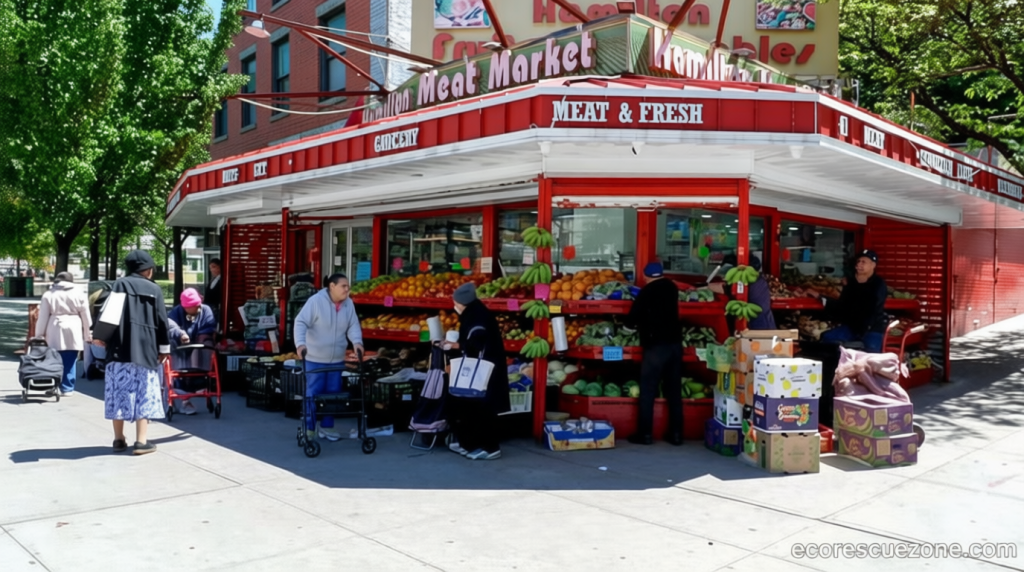
Latino Voters Grapple with US Cost of Living Rise
The cost of living in the US – For many Latino households in the United States, the rising cost of essentials has reshaped daily financial decisions. Esmeralda Roustand, a 60-year-old grandmother from the Dominican Republic, struggles to afford basic groceries as she stands in a New York supermarket. “I can’t buy more than what’s in this small bag,” she says, holding two orange juices and a chicken meal. “Housing and food prices are sky-high, and it’s hard to stretch a dollar.” Her experience mirrors a widespread trend: as living expenses surge, Latinos face greater economic hardship than other demographics. This pressure has not only strained family budgets but also intensified political tensions, with many voters questioning the nation’s economic direction.
Disproportionate Economic Challenges
Latino communities are disproportionately affected by inflation, according to recent data. A CNN survey reveals that 70% of respondents express dissatisfaction with the current administration’s economic policies, while over 70% cite inflation and rising fuel costs as key issues. The Bureau of Labor Statistics reports annual inflation at 3.8%, its highest in nearly three years, and gasoline prices have climbed past $4.50 per gallon. These trends compound existing disparities, as Latino families often allocate larger portions of their income to essentials like food and utilities.
Michael Negrón, a senior fellow at the Center for American Progress, explains that spending patterns contribute to this strain. “Hispanics dedicate about 15% of their budget to food and 8% to energy, both higher than the national average,” he notes. This allocation leaves less room for savings or discretionary spending, particularly as transportation costs rise. In cities like New York, where car ownership is common, increased gas prices directly impact household budgets, forcing families to make difficult trade-offs.
Shifting Consumer Behavior
At a local butcher shop in Upper Manhattan, José Rosario, a seven-year employee, observes how customers are adapting to higher prices. “Once, $100 could fill a cart, but now people carry just a few items,” he says. Papaya, for instance, has jumped from 99 cents to $1.99 per pound, and lemons are now sold two for a dollar instead of five. These adjustments reflect a broader trend as everyday items become more expensive, pushing families to prioritize necessities over luxuries.
María Sofía González, an Ecuadorian mother, describes how cost-of-living pressures have altered family routines. “We’ve stopped going out with friends because it’s too costly,” she says. “Even small outings feel like a sacrifice.” For many, the phrase “Every day you spend more for less” captures the frustration of navigating an increasingly expensive lifestyle. These changes extend beyond financial metrics, affecting cultural traditions and personal relationships.
Political Ramifications of Economic Strain
The financial burden on Latino households is shaping political attitudes. As inflation and rising living costs intensify, the community’s dissatisfaction with economic leadership is growing. “More Latinos are questioning the current administration’s ability to address their concerns,” Negrón explains. This sentiment is evident in shifting voter priorities, with cost-of-living issues now central to debates over policy and governance. Candidates who fail to acknowledge these struggles may face declining support, especially in key swing states.
Latino voters are increasingly vocal about their economic concerns, with many emphasizing the need for targeted solutions. “The cost of living isn’t just about numbers—it’s about survival,” says Juan Galván, a New York college student. His story highlights how financial pressures influence political engagement, as families seek leaders who can offer relief. This growing frustration underscores the importance of addressing cost-of-living challenges in shaping future electoral outcomes.
