
These Alaska villages were swept away by a typhoon. They’re fighting with FEMA to not rebuild in the flood zone
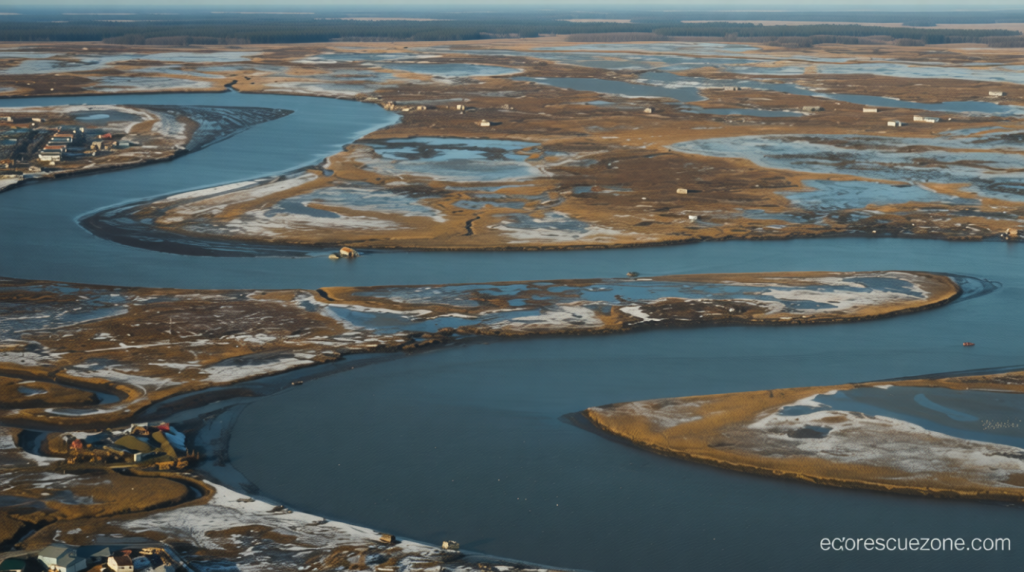
Alaska Villages Swept by Typhoon Face FEMA Relocation Battle
These Alaska villages were swept away – These Alaska villages were swept by a typhoon, leaving two remote communities—Kipnuk and Kwigillingok—stranded in the aftermath of a devastating storm. Once bustling on the Bering Sea coast, the villages now grapple with a pivotal question: should they rebuild in the same flood-prone locations where homes were swept away, or move to higher ground to safeguard their future? The conflict between the communities and FEMA highlights a broader struggle over adapting to the rising risks of climate change. With over 1,000 residents impacted, the decision carries profound implications for both safety and sustainability.
The Typhoon’s Unforgiving Impact
Last October, Typhoon Halong unleashed torrential rains and powerful storm surges that overwhelmed the coastal villages. The floodwaters, fueled by relentless rainfall, swept homes from their foundations and carried debris miles inland. Among the most haunting sights was the exposure of caskets at gravesites, a grim testament to the storm’s strength. The disaster resulted in one fatality and two missing persons, with survivors battling not only the physical wreckage but also the persistent threat of contaminated floodwaters.
The floodwaters were swept from the villages, merging with sewage and fuel oil to create a toxic mix that lingered in the air and on surfaces long after the storm passed. For communities reliant on permafrost, which has been thawing for decades, the typhoon’s impact was compounded by ground erosion. This combination of factors devastated homes, schools, and vital infrastructure, such as wastewater systems, leaving residents to confront the consequences of climate-driven flooding head-on.
A Pattern of Climate-Driven Disasters
Alaska, the fastest-warming state in the U.S., has seen an alarming rise in extreme weather events. In recent years, the western coast has faced three federally declared emergencies within three years, underscoring the growing urgency of relocation efforts. However, policies under the Trump administration halted key programs aimed at mitigating such risks. Two Biden-era grants, intended to support the relocation of Kipnuk and Kwigillingok, were also frozen, deepening the financial challenges for the communities.
The decision to restrict funding has placed the villages in a difficult position. While they have voted to move to safer ground, the federal government’s stance complicates their plans. FEMA, at the center of the debate, argues that existing laws limit its ability to fund relocation projects. This creates a dilemma: rebuild in the same flood zone, where the typhoon swept away critical infrastructure, or face uncertainty in a new location. Tribal leaders criticize the policy as short-sighted, emphasizing the need for proactive climate adaptation.
Community Resistance and Policy Challenges
Kipnuk tribal administrator Rayna Paul voiced frustration with FEMA’s rigid stance. “Our people know that’s no longer safe,” she stated, highlighting the community’s desire to escape the flood zone. The villages’ reliance on subsistence living—through hunting and fishing—makes proximity to the ocean essential, yet the repeated destruction by the typhoon has made that connection a risk. The debate centers on balancing immediate needs with long-term survival, as the typhoon’s aftermath continues to shape their future.
“People don’t want to go back to the current village that the typhoon swept away,” said Rayna Paul, echoing the sentiments of many residents. The argument is clear: rebuilding in place risks another disaster, while relocation offers a chance to thrive in a more stable environment. However, without sufficient funding, the path forward remains uncertain. In February, Alaska’s state government urged FEMA to provide permanent housing, but the approval process is still ongoing, leaving the villages in a state of limbo.
The Path Forward for Resilient Communities
Despite the challenges, the villages remain determined to rebuild in a way that ensures their survival. FEMA’s internal discussions have explored options such as constructing elevated homes and using skis for winter mobility, aiming to make the original locations more habitable. Yet, these solutions are still speculative, and the communities’ fight for relocation continues. As climate change accelerates, the question of whether these Alaska villages were swept by a typhoon and how they can avoid being swept again in the future has become a focal point in the national conversation about disaster resilience.
