
Supreme Court rejects big pharma appeals challenging negotiated drug prices in Medicare
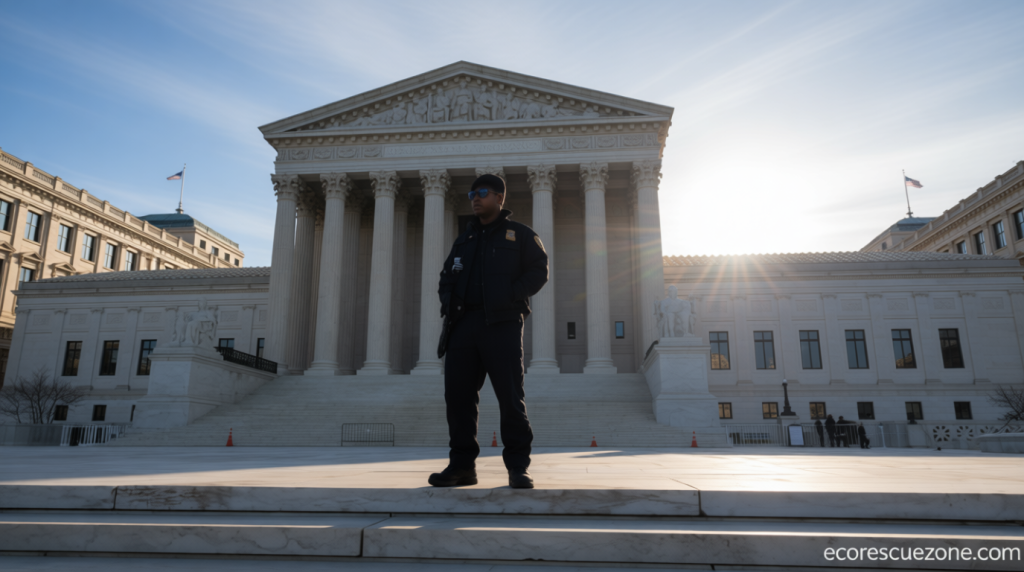
Supreme Court Rejects Big Pharma’s Challenge to Medicare Drug Price Negotiations
Supreme Court rejects big pharma appeals – The U.S. Supreme Court has declined to overturn appeals from major pharmaceutical companies contesting Medicare’s drug price negotiation program. This decision maintains the policy’s validity, which allows the federal government to negotiate lower costs for prescription medications, potentially saving billions for seniors and the taxpayer. The ruling comes after years of legal battles, with the industry arguing that the program infringes on their rights and disrupts market dynamics. By upholding the law, the court affirms the administration’s authority to implement cost-saving measures in healthcare.
Medicare’s Drug Pricing Initiative and Legal Battle
The initiative, established under the 2022 Inflation Reduction Act, marks a significant shift in how Medicare manages prescription costs. For the first time, the program enables price negotiations for specific drugs, aiming to curb the rapid rise in healthcare expenditures. This approach has drawn fierce opposition from big pharma, which contends that it imposes unfair restrictions on pricing strategies. Despite these challenges, the Supreme Court’s ruling preserves the program’s framework, reinforcing its role as a tool to enhance affordability for beneficiaries.
The legal conflict centered on whether Medicare’s negotiation process violates the rights of pharmaceutical firms. Industry groups claimed the policy forces them into a “taking” without adequate compensation, citing the Fifth Amendment. They also argued that the First Amendment is compromised by the government’s ability to set prices unilaterally. However, the Supreme Court found these arguments insufficient, aligning with lower courts that upheld the program’s constitutionality. This outcome underscores the government’s authority to regulate costs within its healthcare framework.
Impact of the Ruling on Drug Pricing and Healthcare Costs
With the Supreme Court’s decision, the Medicare drug price negotiation program remains intact, providing a clear path for reducing prescription expenses. The first round of negotiations, which included medications like Farxiga and Eliquis, generated substantial savings, with the federal government saving $6 billion and seniors benefiting from $1.5 billion in reduced out-of-pocket costs. These early successes have fueled optimism about the program’s potential to address systemic price increases, though challenges remain in implementing future rounds effectively.
The ruling also signals a pivotal moment in the ongoing tension between pharmaceutical companies and government oversight. By rejecting big pharma’s appeals, the court validates the policy as a legitimate mechanism to counteract rising costs. Critics, however, warn that the program’s long-term efficacy depends on sustained negotiations and the ability to target high-cost medications. The second round of price-setting, set to take effect in early 2025, is projected to save Medicare $12 billion, further solidifying the program’s impact on the healthcare landscape.
“The Supreme Court’s decision reaffirms that Medicare’s drug price negotiations are within its legal power,” stated a legal analyst from the National Institute of Health Policy. “This marks a major victory for cost control initiatives, even as big pharma continues to push back.”
The ruling aligns with broader efforts to make healthcare more accessible and affordable. As the program progresses, its success could influence future legislation and set a precedent for other government programs seeking to regulate pricing in the pharmaceutical sector.
Reactions from Industry and Advocacy Groups
The pharmaceutical industry has expressed disappointment with the Supreme Court’s rejection of their appeals. Industry leaders argue that the policy creates an uneven playing field, penalizing companies for market forces they claim are beyond their control. They also emphasize that the negotiated prices may not fully reflect the value of medications, potentially impacting innovation and research funding. In contrast, healthcare advocates laud the decision as a step toward greater equity, stating that it empowers seniors to access life-saving treatments at lower costs.
Despite the setback, big pharma remains determined to reshape the program. They have vowed to continue legal and political efforts to roll back the initiative, arguing that it undermines their ability to set prices based on market demand. The ruling, however, leaves room for future adjustments, as the court did not explicitly endorse the policy but instead dismissed the appeals. This decision may encourage Congress to consider legislative changes, ensuring the program aligns with the industry’s interests while still delivering cost savings for Medicare beneficiaries.
