
Auto industry braces for motor oil shortage
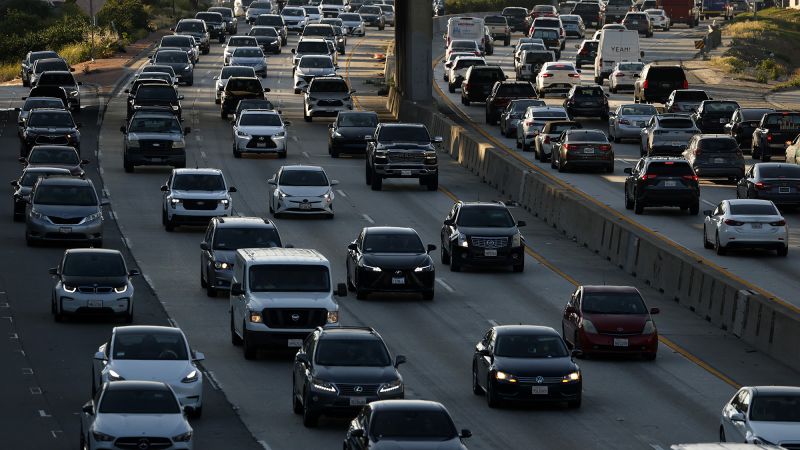
Motor Oil Crisis Intensifies Amid Escalating Iran Conflict
Auto industry braces for motor oil shortage – The auto industry is facing mounting pressure as motor oil prices surge sharply, with industry leaders sounding alarms over potential shortages linked to the ongoing conflict in Iran. Disruptions in the Middle East, including damage to vital infrastructure and the blockade of the Strait of Hormuz, have created a critical bottleneck in the narrow motor oil market. The situation has raised concerns about the availability of essential lubricants, particularly as the war has accelerated supply chain challenges and pushed prices to unprecedented levels.
Industry experts warn that the combination of regional instability and logistical bottlenecks could lead to severe shortages in the coming months. Holly Alfano, CEO of the Independent Lubricant Manufacturers Association (ILMA), emphasized the gravity of the situation, stating, “We’re looking at shortages—I have no doubt in my mind.” According to ILMA, the crisis has developed into a “big mess,” with relief potentially taking a year or more to materialize. This assessment underscores the fragile state of global energy markets and the far-reaching impact of geopolitical tensions.
“Three rounds of price increases over two and a half months is unheard of. And the magnitude is stunning,” Tom Glenn, president and founder of Petroleum Trends International, told CNN. “I’ve been in this business since 1979, and I’ve never seen anything quite like this.”
Glenn’s insights highlight the rapid escalation of costs, which have outpaced historical trends. Normally, motor oil producers would raise prices for distributors by 70 to 80 cents per gallon annually. However, this year, some companies have already increased bulk prices by $5 or more, a stark contrast to typical adjustments. The price hikes are attributed to a confluence of factors, including soaring crude oil, base oils, and additive costs, as well as increased transportation and logistics expenses.
ILMA has identified a specific risk: the imminent shortage of low viscosity grade oils, such as 0W-16, 0W-8, and 0W-20. These grades are crucial for modern vehicles, accounting for about one-third of all passenger car motor oil demand last year. The association warns that the absence of these oils could force drivers to use inferior alternatives or delay routine maintenance, potentially harming engine performance and longevity.
At the heart of the crisis lies the disruption of supply chains reliant on the Persian Gulf. Almost half (44%) of the most important base oil for motor oil production, known as Group III, originates from three key producers in the region. The closure of the Strait of Hormuz after the war began in late February has severely impacted the flow of this vital resource. Additionally, the attack on the Pearl GTL plant in Qatar—a major gas-to-liquids (GTL) facility—has further strained the supply. This plant, which produces a significant portion of Group III base oils, has been damaged to the point of indefinite operational shutdown.
“The US is expected to run out of Mideast Gulf-origin Group III by June,” ILMA noted in a recent bulletin. This development has forced the nation to rely on alternative sources, but Asian refiners are already prioritizing jet fuel and diesel production to capitalize on high profit margins. As a result, even Group II base oils, which serve as a secondary option, are being diverted to meet these demands, effectively closing a safety valve for the motor oil industry.
Industry Leaders Confront Supply Challenges
Alfano’s group has reported anecdotal evidence of shortages in certain U.S. regions, with the situation worsening as summer approaches. “It’s going to really get intense this summer,” she warned. To address the crisis, ILMA has engaged with the Energy Department, including discussions with officials close to Energy Secretary Chris Wright. “They are turning over every stone,” Alfano remarked, adding that while the administration is actively seeking solutions, the options remain limited. “There is no easy answer,” she said, underscoring the complexity of the issue.
The White House has also acknowledged the challenges, with spokeswoman Taylor Rogers stating, “The President and his entire energy team anticipated short-term disruptions to the global energy markets from Operation Epic Fury and had a plan prepared to mitigate these disruptions.” Among the measures considered is the waiver of the Jones Act, which allows for the importation of oil and other goods without the restriction of U.S.-flagged vessels. Rogers emphasized the administration’s collaboration with private sector stakeholders, aiming to “explore potential actions” and “inform the President’s policy decisions.”
Despite these efforts, the motor oil crisis remains a stark reminder of the vulnerability of global supply chains. The interdependence of markets means that disruptions in one region can ripple across the world. For instance, Asian refiners, which depend heavily on the Strait of Hormuz for crude oil, are now funneling resources into diesel and jet fuel to meet lucrative market demands. This shift has left motor oil producers struggling to maintain supply, even as prices continue to climb.
The scarcity of Group III base oils, combined with the limited capacity of Group II as a backup, has created a precarious balance. “The Group II safety valve is effectively closed,” ILMA stated in its bulletin, indicating that the industry is racing to adapt. With two new lubricant production facilities in the U.S. set to launch next year, the current bottleneck may persist until those projects come online. In the meantime, consumers and businesses alike are bracing for the consequences of this crisis.
The situation has also drawn attention to the broader implications of geopolitical instability on energy markets. As the conflict in Iran continues, it has become clear that the auto industry’s reliance on a small number of suppliers could lead to cascading effects. From higher fuel costs to logistical delays, the chain of supply is under immense strain. This has not only affected motor oil but also highlighted the interconnected nature of global energy systems, where a single event can trigger widespread disruptions.
As the motor oil shortage looms, the industry is navigating a complex landscape of rising prices, dwindling supplies, and uncertain policy responses. While the administration works to stabilize the market, the immediate impact on consumers is evident. Drivers may soon face longer wait times at service stations, higher costs, or the need to compromise on the quality of their lubricants. For the auto sector, the challenge is not only to manage the crisis but also to prepare for a future where such disruptions could become more frequent.
