
Exploring Pipes from Different Cultures Around the World
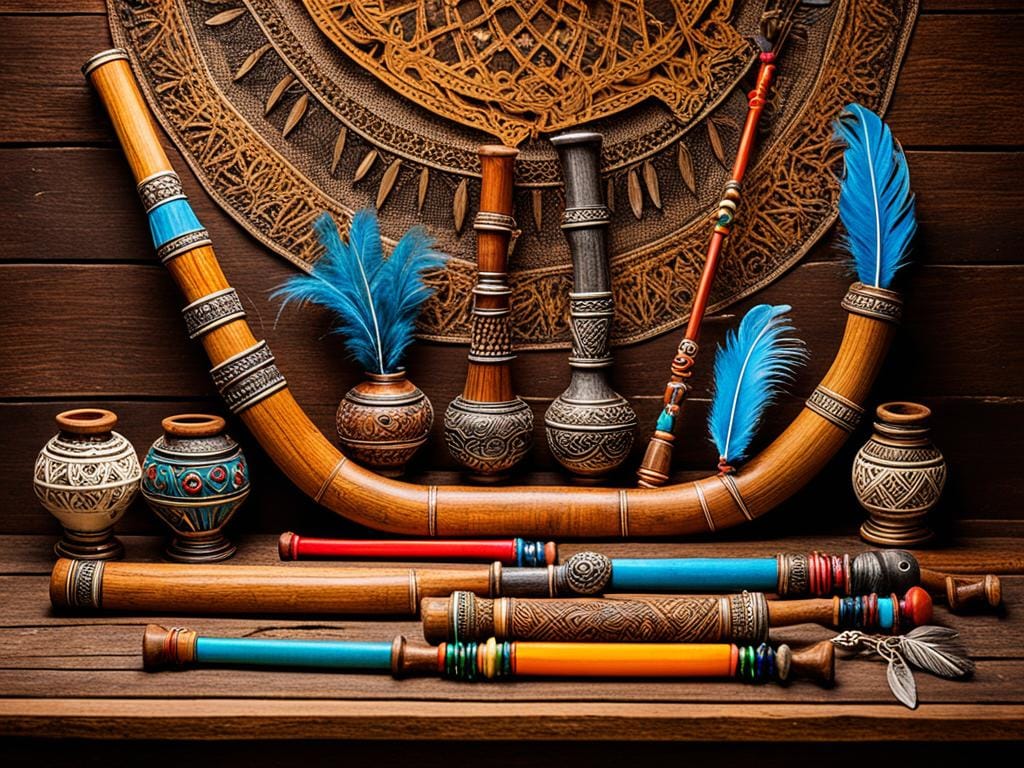
Explore pipes from different cultures and their unique designs Discover traditional uses history and artistry behind these fascinating cultural artifacts.
I love learning about cultural traditions and art. Pipes have always caught my eye because of their history and variety. They’ve been important in many cultures, from the Mayans and Egyptians to Native Americans and ancient Chinese1.
Pipes have changed with human history. They show the values and styles of their makers. People have used pipes made from stone, clay, reed, and wood for centuries1.
Looking into this world, I’m amazed by the skill in making pipes. From the detailed carvings on meerschaum pipes to the strong briar wood ones, the materials and methods are impressive12.
This article will dive into the world of pipes from various cultures. We’ll look at their history, meanings, and why they’ve been so popular over time. Come with me as we explore the stories behind these pipes.
The Cultural Significance of Pipes
Pipes are a big part of cultural traditions all over the world. They are more than just for smoking. They carry deep symbols that play big roles in religious events, social meetings, and showing heritage and identity3.
Pipes in Religious and Ceremonial Rituals
Pipes are used in many cultures for rituals. They bring people together, keep traditions alive, and connect us to our history4. In many Native American cultures, pipes are sacred. They are used in ceremonies to promote peace, friendship, and spiritual talks4.
The Oglala Lakota have seven special pipe ceremonies. One story tells of Sitting Bull smoking a pipe during a battle in 1872 near the Yellowstone River. This act made him respected again by his fellow warriors4. The pipe is important in many ceremonies for the Oglala Lakota. It helps keep loved ones’ spirits, makes new relatives, and marks important life events4.
Pipes as Symbols of Heritage and Tradition
Pipes are also symbols of heritage and tradition. They show the values and identities of their users3. Father Jacques Marquette saw great respect for ceremonial pipes when he traveled down the Mississippi River in 16735. Many Native American cultures believe that the smoke from these pipes carries prayers to the Creator or other powerful beings5.
Philosophers, writers, and thinkers have also been drawn to pipes. Famous ones like Jean-Paul Sartre and Georges Brassens enjoyed smoking them3. The pipe industry grew with the launch of Fumer Chic, offering quality tobacco pipes at good prices3.
Pipes are a big part of cultural traditions worldwide. They mean more than just for smoking. They play big roles in religious events, social gatherings, and show heritage and identity. The use of pipes in rituals varies, but they always highlight community, tradition, and connection to the past.
Historical Origins and Evolution of Smoking Pipes
The history of smoking pipes is as diverse as the cultures that have embraced this tradition. Archaeological evidence shows that indigenous peoples in the Americas used the first pipes thousands of years ago6. These early pipes were made from stone, clay, and wood. Each material was chosen for its availability and cultural importance7.
Ancient Civilizations and the Earliest Pipes
American Indians started using tobacco pipes about 15,000 years ago7. In Africa, tobacco pipes were introduced by early explorers with pipes made of copper, wood, and iron. However, it’s not confirmed before the 16th century7. Mayan art from the 6th century A.D. shows tobacco pipe use in pre-Columbian America, highlighting an ancient smoking history7.
The Spread of Pipe Smoking Across Continents
As trade grew, so did the use and design of pipes. In Europe, clay pipes became popular in the 16th century, inspired by Native American designs7. The arrival of tobacco from the New World boosted pipe demand, leading to unique European styles. For example, long-stemmed clay pipes were popular in England and Holland7. By the early 17th century, tobacco pipes were common in England after sailors brought back clay pipes from North American Indians7.
| Historical Milestones in Pipe Smoking | Timeline |
|---|---|
| Earliest known use of tobacco pipes | 15,000 years ago |
| Tobacco pipe use in pre-Columbian America | 6th century A.D. |
| Tobacco introduced to Europe | 16th century |
| Tobacco pipe factories opened in England | Early 17th century |
| Tobacco pipe use became fashionable in England | Around 1600 |
| First artisanal tobacco pipe factories in Europe | Around 1575 |
| Gouda pipes became more elaborate in the 18th century | 18th century |
| France became a major center of tobacco pipe production | 19th century |
The history of smoking pipes shows a rich mix of cultural exchange and innovation. From ancient Americas to European workshops, pipes tell a story of humanity’s long interest in this tradition67.
pipes from different cultures
Exploring global pipe traditions shows us the wide range of smoking customs and rituals. From the iconic8 calumet of Indigenous North Americans to the elegant9 kiseru of Japan, each pipe tells a story. These pipes are not just for smoking but also carry the history, values, and art of their cultures.
In the Hopewell era, from 50 B.C. to A.D. 2508, pipes found in Illinois showed how different groups used and made pipestone pipes. Most of these pipes came from Sterling pipestone in northern Illinois8, while others were made from local limestone8. In Ohio, pipes were often found together, showing group rituals8. In Illinois, pipes were usually found alone, linked to a few individuals8.
Outside the Americas, the9 Chinese and Japanese also have their own smoking traditions. Chinese pipes started with bamboo, while Japanese9 kiseru pipes had three parts, unlike European clay pipes9. In India, Arabia, Persia, and Egypt, water pipes like the narghilé became popular from the 17th century9. These pipes varied in size and design, showing the creativity of their makers9.
These pipes from around the world8 are more than just for smoking. They carry the deep heritage and beliefs of their makers and users8. By looking into these traditions, we learn about the unique stories and cultural importance of these objects9. It shows how different societies have valued smoking and the rituals around it9.
Materials and Craftsmanship in Pipe Making
Pipe makers have tried many materials to make their art. Briarwood is a top choice because it’s strong and has unique patterns10. Other favorites include maple, mahogany, cherry, and bamboo, each with its own look and feel10. Meerschaum, a soft mineral from Turkey, is also sought after for its ability to keep smoke dry and flavorful10.
Briar Wood and Meerschaum Pipes
Briar wood is often used for its heat resistance and ability to keep flavors10. Meerschaum pipes are loved for soaking up moisture and offering different colors10. These materials let pipe makers create beautiful pieces that improve the smoking experience.
Clay, Metal, and Glass Pipes
Pipes are also made from clay, metal, and glass, each with its own look and smoking style11. Clay pipes became popular in Europe in the late 16th century for being affordable and useful11. Artisans made clay pipes with amazing designs and decorations11.
There are many styles of artisan pipes, like classic and freehand, to suit different smokers10. Handmade pipes give a better smoke, look great, and have better airflow thanks to their craftsmanship10. Keeping them clean, using filters, and storing them right helps them last longer10.
Artisan pipes cost more than regular ones but are worth it for their craftsmanship and uniqueness10.
Pipe Shapes and Designs Across Cultures
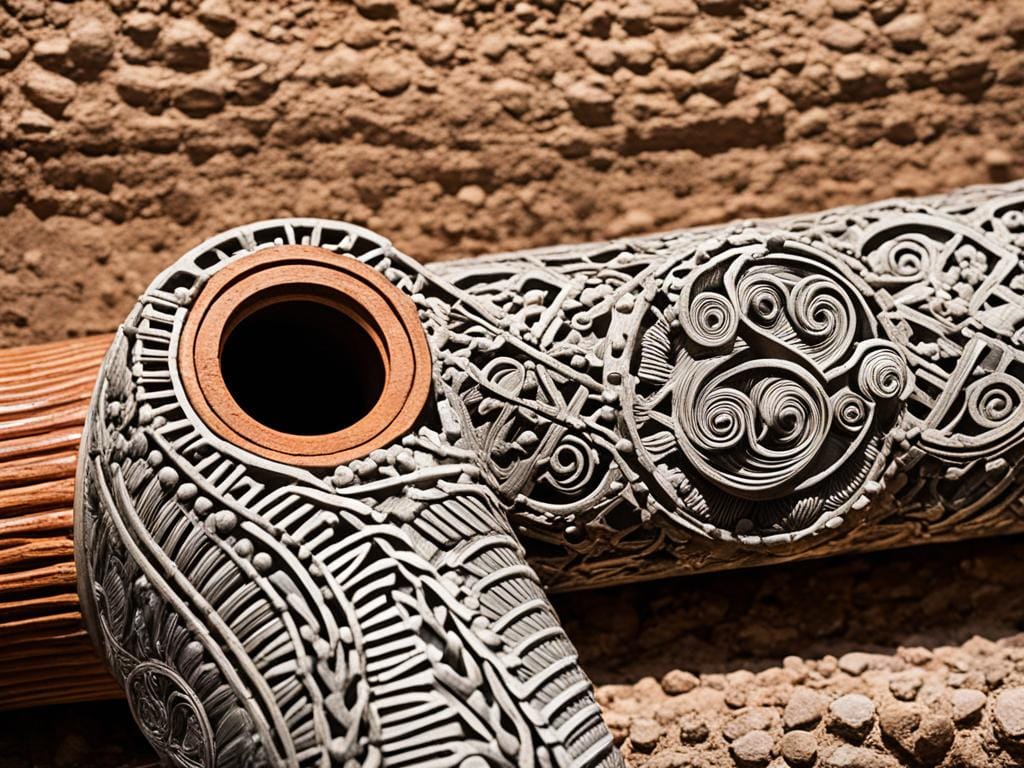
Pipes have changed over time, showing the culture and art of their makers. The Native Americans used long, slender calumets, while the Japanese made kiseru pipes with detailed carvings. Each pipe has its own meaning and symbolism in its culture12. The size and shape tell us if it was for personal use or for ceremonies.
Pipe shapes and designs vary worldwide, shaped by local materials, making methods, and social habits. For example, Native Americans made tubular stone tobacco pipes early on13. In the 17th century, Dutch pipes had small bowls because tobacco was expensive13.
As smoking spread, pipes changed to fit different communities and tell stories of history and identity. Marks on pipes helped tell who made them and where they came from13. Decorations on clay pipes showed coats of arms and symbols of different groups, showing the variety of pipe smokers13.
Today, pipe smokers like to mix old traditions with new ideas, leaning towards handmade pipes12. Online groups and social media help share new tobacco blends and celebrate the wide range of pipe styles12.
| Pipe Shapes and Designs | Cultural Significance | Notable Examples |
|---|---|---|
| Long, slender calumet | Native American ceremonial and spiritual practices | Calumet of the Plains Indians |
| Intricate carvings and decorative elements | Japanese pipe-making traditions and aesthetics | Kiseru pipes of Japan |
| Pot-bellied bowls | Reflecting the high cost of tobacco in 17th-century Europe | Early Dutch pipes |
| Maker’s marks and ornamentations | Identifying products, cultural affiliations, and historical events | Clay pipes found in archaeological sites in New York City |
From the ceremonial calumet to the detailed kiseru, pipe shapes and designs show the deep history and art of smoking pipes worldwide1213.
The Art and Artistry of Smoking Pipes
Pipe smoking is more than just a hobby; it’s a form of art. Pipe makers, known as “pipe artists,” turn simple smoking tools into masterpieces. They use intricate carvings and modern designs to make each pipe unique14.
Intricate Carvings and Decorative Elements
Artists focus on every detail to make pipes both beautiful and functional. Ser Jacopo’s Picta series features pipes with Vincent van Gogh’s self-portraits, including his famous bandaged ear14. These designs show the artist’s skill and add a personal touch to the pipe.
Modern Innovations in Pipe Design
New materials and techniques have opened up new possibilities in pipe design. Glass pipes have a long history, dating back centuries15. Today, glass artists create stunning pieces with unique shapes and colors15. These designs attract a new generation of pipe lovers who enjoy both tradition and modern style.
From meerschaum’s delicate carvings to modern glass designs, smoking pipes are a blend of art and tradition. Each pipe tells a story of craftsmanship and creativity, inviting smokers to appreciate the artistry behind it.
Pipes in Literature and Popular Culture
Smoking pipes have a long history that connects with literature. Many famous authors found inspiration and peace in pipe smoking16. Writers like J.R.R. Tolkien, Mark Twain, and William Shakespeare enjoyed pipes. They used smoking as a way to think and be creative16.
Now, smoking a pipe is seen as a sign of deep thought and love for books. It’s often found in stories and popular culture.
Famous Authors and Their Love for Pipes
Great authors have always loved pipes, from Sherlock Holmes to Bilbo Baggins16. These authors put pipes in their stories and enjoyed smoking them for comfort and inspiration16. Their pipes are as famous as the characters they created, linking pipes to literature forever.
These authors saw pipes as important in culture. Smoking pipes was a way to think deeply, meditate, and talk with others17. From Chinese literature to Tolkien’s Middle-earth, pipes show how smoking affects thought and creativity17.
In popular culture, the image of a pipe-smoking author or thinker is well-known. The pipe means deep thought, creativity, and seeking knowledge16. It’s a symbol of the creative and thinking mind, making it a part of our imagination16.
Ritual and Tradition: Smoking Pipes in Different Cultures
Smoking pipes have deep cultural and spiritual meanings across the world. They range from the Native American calumet to the Japanese kiseru and the Chinese water pipe. Each has a key role in the traditions and identities of their people18.
Native American Ceremonial Pipes
In Native American traditions, the smoking pipe connects humans with the spiritual world18. Tobacco is seen as a sacred gift, used with great respect and care18. Pipes are made from materials like red pipestone, and making them is a sacred act19.
Pipes are key in ceremonies and social life. They help seal peace, solve disputes, and honor the spiritual realm18. Herbal blends like kinnickinnick mix with tobacco for special occasions18.
Japanese Kiseru and Chinese Water Pipes
In Japan, the kiseru pipe symbolizes the samurai and aristocracy’s culture. Its design and use make smoking an art, showing Japan’s love for beauty and detail.
In China, the water pipe, or “hookah,” is for social fun and deep talks. It’s known for its bubbling sound and cool smoke. This pipe symbolizes relaxation and the bond between friends.
Smoking pipes go beyond just smoking. They carry cultural heritage, build community, and connect us with the spiritual. These traditions show the deep impact of objects on our lives.
Conclusion
The world of20 pipes has shown us a journey through time. It’s filled with cultural traditions, artistic expressions, and our deep connection to the past. From the common20 clay pipes of Europe to the beautiful20 meerschaum pipes of Turkey, pipes tell us about human creativity and ingenuity20.
Looking into21 history and archaeology, we find a rich story. It shows how21 pipes have shaped our cultures, beliefs, and societies. From the21 “Negro pipes” in the slave trade to the21 pipes made by enslaved Africans, these objects tell us a lot about history2221.,
Today, the20 pipes we use today remind us of our cultural ties. From the20 simple corncob pipes to the20 elegant briar wood pipes, they connect us to the past. By22 looking at how people use and see these pipes, we learn more about ourselves and the impact of material culture2022.,
Curious about more cultural artifacts? Visit ecorescuezone.com for in-depth insights and stories about traditions from around the world!
FAQ
What is the cultural significance of pipes?
Pipes are more than just tools for smoking. They are symbols of heritage, art, and social rituals. They’re used in religious ceremonies and social events. They show community, tradition, and a link to the past.
What are the historical origins of smoking pipes?
The first pipes were used by indigenous peoples in the Americas. They date back thousands of years. As trade grew, pipes spread and changed, leading to different styles in Europe. For example, England and Holland liked long-stemmed clay pipes.
What materials are used to make smoking pipes?
People have made pipes from many materials. These include briarwood, meerschaum, clay, metal, and glass. Each material gives pipes unique smoking qualities and looks.
How do pipe shapes and designs reflect cultural preferences and traditions?
Pipe shapes and designs change over time. They show the cultural tastes and artistic skills of their makers. For example, Native Americans used the long calumet, while Japanese kiseru pipes have intricate carvings.
What is the role of pipes in literature and popular culture?
Authors like J.R.R. Tolkien, Mark Twain, and William Shakespeare enjoyed pipe smoking. It helped them be creative and think deeply. Smoking a pipe is seen as a sign of deep thought in literature and popular culture.
How are pipes used in the cultural and spiritual practices of different societies?
In Native American traditions, ceremonial pipes help make peace and connect with spirits. In Japan, the kiseru pipe shows the elegance and status of samurai and aristocrats. In China, the water pipe is a key part of social events.
Source Links
- https://mrgscigars.com/2024/01/the-history-of-smoking-pipes/
- https://thefreezepipe.com/blogs/highly-informed/types-of-smoking-pipes
- https://www.fumerchic.com/en/blog/the-origins-of-the-smoking-pipe-n2
- https://www.nps.gov/articles/the-power-of-the-pipe.htm
- https://en.wikipedia.org/wiki/Ceremonial_pipe
- https://www.holts.com/clubhouse/cigar-culture/tobacco-pipes-history
- https://www.pipeonline.it/en/blog/history-of-the-tobacco-pipe-n22
- https://phys.org/news/2021-06-tobacco-pipes-native-groups-story.html
- https://www.alpascia.com/moments/en/detail/86/a-world-of-pipes-part-vii
- https://mrgscigars.com/2023/02/handmade-artisan-pipes/
- https://mrgscigars.com/2023/08/clay-tobacco-pipes/
- https://sisuman.com/blogs/pipe-smoking/the-history-of-pipe-smoking-from-tradition-to-modern-trends
- https://archaeology.cityofnewyork.us/collection/digital-exhibitions/clay-smoking-pipes/page/1/view_as/grid
- https://pipesmagazine.com/blog/the-pipe-pundit/of-pipes-history-and-culture/
- https://thehippiemommashop.com/blogs/my-blog/article-5-the-art-of-making-glass-smoking-pipes-a-cultural-legacy-and-the-evolving-landscape
- https://draytonhall.org/european-tobacco-pipes-and-their-importance-in-archaeology/
- https://doi.org/10.1525/california/9780520262775.003.0009
- https://www.mpm.edu/educators/wirp/great-lakes-traditional-culture/tobacco
- https://www.cowasuck.org/lifestyle/ritual-pipes.html
- https://epicpu.com/pipes-from-different-cultures/
- https://mavcor.yale.edu/mavcor-journal/essays/material-technologies-empire-tobacco-pipe-early-modern-landscapes-exchange
- https://academic.oup.com/histres/article/96/272/156/7069223
