
Is Psychology Beneficial for Computer Science Students?
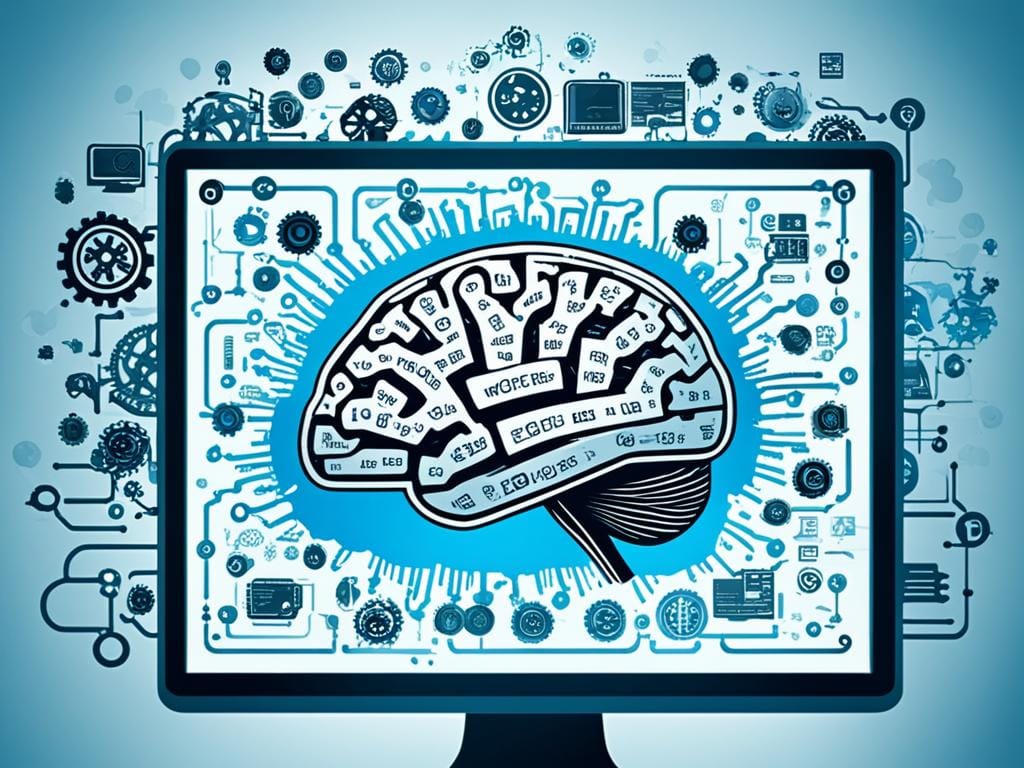
At the crossroads of psychology and computer science, we find a powerful partnership. This blend brings together the study of the human mind with the tech skills of computer science. It helps us make technologies that are both innovative and focused on the user.
This article will show how psychology can boost the skills of computer science students. We’ll look at how understanding user needs and using psychological insights can improve problem-solving and ethical choices. This mix of disciplines can lead to new career paths and success in the tech world.
Let’s explore the exciting possibilities when psychology and computer science come together. This combination can create a future where technology and design that puts people first work together perfectly.
Exploring the Intersection of Psychology and Computer Science
Psychology and computer science are closely linked. For computer science students, learning about psychology helps us understand how people use technology. This knowledge lets us make apps that are easy to use and meet user needs.
Understanding the Human Mind and Technology
Cognitive and behavioral psychology are key in computer science. They help us know how users think and make decisions. This knowledge helps us make technology that fits how our minds work, making it better for users.
The Importance of User-Centered Design
User-centered design is where psychology and computer science meet. It puts the user first, making sure the product meets their needs. By knowing what users like and don’t like, we can make interfaces that are easy to use and improve the overall experience.
| Psychological Principles | Application in Computer Science |
|---|---|
| Cognitive Load Theory | Designing user interfaces that minimize cognitive strain and enhance information processing |
| Gestalt Principles | Applying visual design principles to create intuitive and aesthetically pleasing interfaces |
| Behavioral Economics | Incorporating insights into human decision-making to optimize user interactions and encourage desirable behaviors |
By combining psychology and computer science, we can make technology that really connects with users. This approach helps us meet user needs in a more sophisticated way. The link between these fields is key to improving how humans and computers interact.
Enhancing Problem-Solving and Analytical Skills
Combining psychology and computer science sharpens our problem-solving and analytical skills. It helps us understand cognitive processes and human behavior. This lets us tackle complex technical challenges from different angles, using our creativity to find new solutions.
This mix of disciplines helps us develop critical thinking. It’s key for doing well in the fast-paced tech world. We learn to break down problems, analyze data, and come up with new ideas. This way, we can solve user-centric issues with empathy and foresight.
Knowing both psychology and coding helps us avoid roadblocks and make development smoother. We use our knowledge of human factors to make interfaces intuitive, workflows efficient, and user experiences seamless.
By improving our problem-solving, analytical skills, critical thinking, creativity, and innovation, we become valuable in the tech industry. We’re ready to work on groundbreaking projects and shape the future of technology.
| Skill | Description | Benefit |
|---|---|---|
| Problem-Solving | Ability to identify, analyze, and devise solutions for complex challenges | Enhances the development of robust, user-centric technology |
| Analytical Skills | Capacity to gather, evaluate, and interpret data to inform decision-making | Supports data-driven, evidence-based approaches to problem-solving |
| Critical Thinking | The skill to think deeply, question assumptions, and explore multiple perspectives | Fosters innovative thinking and the development of cutting-edge solutions |
| Creativity | The ability to generate novel ideas and unconventional approaches | Enables the creation of unique, user-friendly, and disruptive technologies |
| Innovation | The capacity to push boundaries, challenge the status quo, and drive progress | Positions us as leaders in the ever-evolving tech landscape |
is pyschology good for computer science
Examining the Benefits and Drawbacks
Computer science students often wonder: Is adding psychology to their studies a good idea? Let’s look at the good and bad sides of mixing these two fields.
Studying psychology with computer science boosts problem-solving and analytical skills. It helps students design software that people find easy and fun to use. This makes users happier and more likely to use the product.
Psychology also helps with empathy and communication, important for team work in computer science. Knowing what users need makes technology better and more successful.
But, combining psychology and computer science means more work and learning. The courses can be tough, and students must blend different subjects. This can be hard.
Also, sometimes psychology and computer science ideas don’t match perfectly. This can lead to tough choices in solving problems. Students need to be flexible and think critically to handle these challenges.
Whether to add psychology to computer science studies is a personal choice. It depends on what you want to achieve and the needs of your field. By thinking about the pros and cons, students can make a choice that fits their goals and the tech industry’s future.
Bridging the Gap between Humans and Machines
As computer science moves forward, making humans and machines work better together is key. Psychology helps us understand how people use technology. It shapes how we design interfaces and how people see and use digital tools. We’ll look at how psychology can make technology easier and more friendly for everyone.
The Role of Psychology in Human-Computer Interaction
Psychology sheds light on how humans think, feel, and act with technology. By using psychological theories, we can make interfaces that are smarter, more fun, and fit what users want. This makes technology better for everyone, making it easier to use and more accessible.
For instance, human-computer interaction helps us see how people use digital tools. User experience research makes products look and feel better. And usability studies find problems and fix them, making tech easier to grasp and use.
By using psychology to connect humans and machines, we can make technology that’s not just useful but also focused on the user. It will match how people think and behave when using it.

Developing Empathy and Communication Skills
In computer science, studying psychology helps us gain key soft skills. Skills like empathy and communication are crucial for success. They help us understand people and share their feelings. This makes teamwork and explaining complex ideas easier.
Empathy lets us put ourselves in others’ shoes. It helps us design solutions that really meet people’s needs. This way, we work better with our teams and everyone involved.
Good communication skills are also key in computer science. Being able to explain complex ideas simply can make or break a project. Improving our communication skills helps us connect with both tech experts and non-experts.
Combining psychology with computer science leads to better problem-solving. It helps us work together more effectively. This way, we can create solutions that really help users.
| Soft Skill | Benefit for Computer Science Professionals |
|---|---|
| Empathy | Enables user-centric design and stronger interpersonal skills |
| Communication Skills | Facilitates effective collaboration and understanding between technical and non-technical stakeholders |
| Teamwork and Collaboration | Leverages diverse perspectives and expertise to create innovative solutions |
By using psychology in computer science, we open up new possibilities. Developing empathy, communication skills, teamwork, and collaboration changes how we solve problems. It leads to tech solutions that really make a difference in people’s lives.
Applying Psychological Principles in Software Engineering
In the world of software engineering, using psychological principles can lead to big improvements in how users experience and use software. By understanding how people think, see, and behave, computer science experts can make software that works well and meets user needs.
Enhancing User Experience and Usability
Psychology helps software engineers understand how people use technology. By using cognitive psychology, interaction design, and user research, we can make software easy to use, look good, and respond to what users expect. This makes users happier and builds a stronger bond between them and the software.
For example, Fitts’ Law helps place and size on-screen items so they’re easier to reach and use. Principles like affordance and signifiers, based on how we see things, guide the design of interfaces that clearly show what actions are possible.
Psychological insights also shape how we develop software, from starting with user research to testing and improving the design. By understanding what users need and like, we can make software that really connects with people and improves their experience.
As software engineers, we can use psychology to make amazing user experiences. By combining technical skills with knowledge of human behavior, we can make software that solves problems and also makes users happy and engaged. This leads to more people using the software and its success.
Navigating the Ethical Landscape of Technology
As computer science experts, we face a complex ethical landscape with technology’s growth. Psychology helps us understand the social and behavioral effects of tech. This lets us make better, ethical choices. We’ll look at how psychology guides us in making tech that respects privacy, security, and social impact.
Technology’s fast growth brings many ethical challenges. We must think carefully about privacy, data security, and the right use of new tech like AI. Using psychology, we can see how people interact with technology and its effects on society.
Privacy is a big issue in the digital world. Digital platforms gather a lot of personal data. We need to balance tech benefits with privacy rights. Psychology can help design systems that protect privacy and build trust in digital tools.
Security is also crucial, as tech breaches can harm individuals and groups. By focusing on design that puts people first and understanding biases, we can make tech safer. This makes it easier for people to use technology safely.
The impact of technology on society is another big ethical concern. New tech can cause problems like job loss or increase social gaps. Psychology can help us predict and lessen these issues. This way, tech progress can help everyone, not just a few.
Using psychology to guide us in tech ethics helps us make better choices. These choices focus on the well-being of users and society. As tech pros, we should push for ethical tech development. We must understand human behavior and the social effects of our work.
Preparing for Future Careers in Emerging Fields
The world of technology is always changing, and computer science is at the heart of it. It’s closely linked with advances in artificial intelligence and machine learning. These technologies are changing how we interact with machines and each other. The mix of psychology and artificial intelligence is creating new career paths for the future.
The Convergence of Psychology and Artificial Intelligence
Psychology and artificial intelligence are coming together to shape the next generation of computer science experts. By knowing how the human mind works, we can make technologies that fit easily into our lives. This means creating AI assistants that understand us better and making sure we use AI safely and ethically.
As AI and machine learning get better, it’s more important to think about their effects on us. Students who know both computer science and human behavior will be ready to face the future’s challenges. They’ll be able to make AI that really understands us and works for us.
- Developing empathetic AI systems that cater to human needs and preferences
- Designing user interfaces that foster intuitive and engaging interactions
- Addressing the ethical concerns surrounding the use of artificial intelligence
- Exploring the impact of technology on mental health and well-being
- Bridging the gap between humans and machines through effective communication and collaboration
By combining psychology and computer science, students open up new career paths in areas like human-AI interaction, affective computing, and neurotech. As technology advances, understanding and designing for the human experience will be crucial. This will help shape the future we live in.
Fostering Creativity and Innovation in Tech
As computer science students, we get to mix our analytical skills with psychology’s human focus. This blend lets us create something new and exciting in the tech world.
At the crossroads of computer science and psychology, we find new solutions. Knowing how people think and use technology helps us make products that are easy and smart. This way of thinking makes us look at problems from different sides and find new ways to make things better.
Being creative and innovative in tech means being good at both tech and thinking creatively. We use our problem-solving skills to spot challenges and chances. Then, we use psychology to understand users and make solutions that really help them.
This mix of disciplines opens up new ways to be creative and innovative. We can make better user interfaces, smart algorithms that learn what users like, or look into how tech affects people. The possibilities are huge when we use computer science and psychology together.
By bringing these fields together, we can lead change in the tech world with new solutions that really connect with people. As we move forward with technology, let’s keep using this mix to bring out the best in creativity and innovation.
Building Interdisciplinary Teams for Success
In today’s tech world, we see how important it is to have teams that mix skills from different areas. This includes computer science and psychology. These diverse teams can solve complex problems better and bring new ideas to the table.
For computer science students, learning to work together and think across disciplines can really boost our careers. When we work with people from various fields, we get better at solving problems, talking to others, and understanding how technology affects people. This teamwork makes us more versatile and ready for the future.
Being part of these diverse teams helps us make products and services that meet people’s needs. It makes us better at our jobs and encourages creativity, empathy, and focusing on the user. These skills are key for doing well in the fast-changing tech world.
FAQ
How can the intersection of psychology and computer science benefit students?
Studying psychology and computer science together gives students deep insights into how we think and behave. This knowledge boosts their problem-solving skills and creativity. It also helps them understand others better, which is key in the tech world.
What are the key ways psychology can inform the development of user-friendly technology?
Psychology teaches computer science pros how to make apps that are easy and fun to use. By knowing how people think and behave, they can design tech that meets users’ needs. This makes for a better experience for everyone.
How can the combination of psychology and computer science strengthen analytical and problem-solving skills?
Adding psychology to computer science helps students see problems from different angles. This sharpens their critical thinking and creativity. It prepares them to solve complex issues in a way that considers both tech and human sides.
What are the potential benefits and drawbacks of incorporating psychology into a computer science education?
Combining psychology and computer science can make students better problem solvers and more empathetic towards users. It also helps them make ethical choices and develop important soft skills. But, it can be tough to balance the two subjects. A well-designed course can help students get the most out of it.
How can psychology contribute to the field of human-computer interaction?
Psychology is key to understanding how people use technology. It helps design interfaces that are easy and intuitive. By applying psychological insights, tech pros can bridge the gap between humans and machines, making tech more user-friendly.
What soft skills can the study of psychology help computer science students develop?
Psychology teaches computer science students important soft skills like empathy and clear communication. These skills improve teamwork and help them share complex ideas with others. They’re crucial for success in the tech field.
How can psychological principles be applied in software engineering to enhance user experience and usability?
Understanding human behavior and cognition helps software engineers design better apps. Psychological insights guide the whole development process, from research to testing. This leads to apps that are easier and more enjoyable to use.
How can the study of psychology help computer science students navigate the ethical landscape of technology?
As tech advances, computer science students face more ethical choices. Psychology teaches them about the social impact of technology. This helps them make decisions that respect privacy and security, and consider the broader effects of their work.
What emerging fields at the convergence of psychology and artificial intelligence are shaping the future of computer science careers?
The future of computer science is linked to AI and machine learning. Understanding humans is key as these technologies get smarter. The mix of psychology and AI is creating new areas like human-AI interaction and socially aware AI systems.
How can the integration of psychology and computer science foster creativity and innovation in the tech industry?
Combining computer science and psychology gives students a unique set of skills. This mix can lead to new ideas and solutions in tech. It encourages creative problem-solving and thinking differently in the fast-changing tech world.
What are the benefits of building interdisciplinary teams that include both computer science and psychology professionals?
Today’s top tech companies often have teams with both computer science and psychology experts. These diverse teams can tackle complex problems better and innovate more. They bring together different skills and views to achieve great results.
