From solar to wind power, we’ve got the scoop on the most promising green energy alternatives to transform your world.

Aboriginal Culture and Traditions, Ancient Wisdom Lives
Explore the remarkable case study showcasing the vibrant Aboriginal culture and traditions. Dive into their iconic art, ceremonies, and way of life.
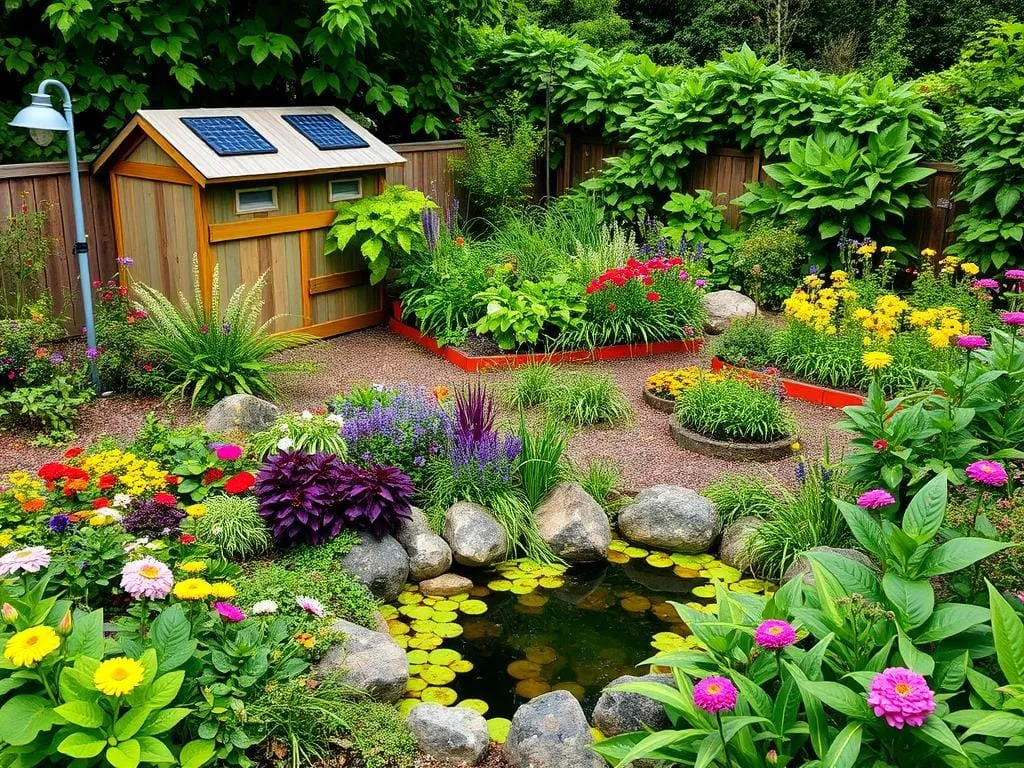
How to Build an Eco-Friendly Garden: Simple Steps
Discover sustainable ways to cultivate your green space with our tips on how to build an eco-friendly garden. Embrace nature’s rhythm responsibly!

The Benefits of Using Renewable Energy, A Greener Future
Explore the Benefits of Using Renewable Energy to secure a sustainable future, cut costs, and protect our planet. Join us on a greener path.
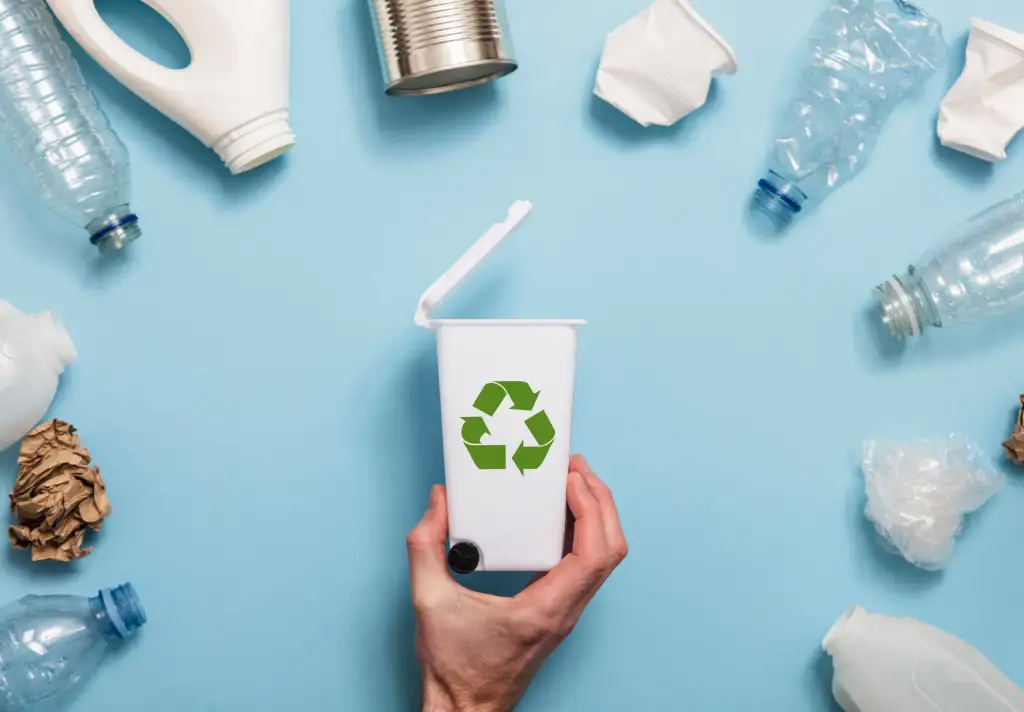
How to Reduce Plastic Use at Home and Save the Planet
Learn how to reduce plastic use at home with 13 simple tips. Discover easy ways to make eco-friendly changes and create a more sustainable lifestyle. Reducing plastic use at home is not just a trendy idea but a crucial step toward a sustainable future. As plastic waste continues to pile up in landfills and oceans, taking responsibility for our consumption habits can create a significant positive impact. But where do you start? The good news is that reducing plastic use at home is easier than you think, and it doesn’t require a complete lifestyle overhaul. With a few mindful changes, you can create a greener, healthier environment for your family and contribute to a cleaner planet. This guide will walk you through practical and actionable steps to reduce plastic use at home. From simple swaps like reusable bags to larger commitments like avoiding microplastics, we’ve got everything covered. These changes are not only eco-friendly but also cost-effective in the long run. Ready to take action? Let’s dive into the details and learn how to make your home a plastic-free sanctuary. By the end of this article, you’ll feel empowered to make sustainable choices that are easy to integrate into your daily routine. Let’s explore how to reduce plastic use at home in a way that feels natural and rewarding! How to Reduce Plastic Use at Home Making your home more sustainable doesn’t mean sacrificing convenience. It’s about making smarter choices and being mindful of your habits. Below are 13 effective ways to reduce plastic use at home, complete with tips and actionable ideas. 1. Use Reusable Bags Plastic bags are one of the most common pollutants, but swapping them for reusable bags can make a huge difference. Why Switch to Reusable Bags? Plastic bags are incredibly detrimental to the environment because they take hundreds of years to decompose. During this time, they release harmful microplastics that pollute soil and water. Reusable bags, on the other hand, are made of durable materials like cloth, jute, or canvas and are designed to last for years. Additionally, many reusable bags are washable, making them hygienic and easy to maintain. Tips for Transitioning Keep Them Handy: Store reusable bags in your car, purse, or near your home’s entryway so you’re less likely to forget them when heading to the store. Some reusable bags can even fold into compact sizes, making them convenient for everyday use. Use for More Than Shopping: Reusable bags aren’t just for groceries; they’re perfect for carrying gym clothes, picnic supplies, or even as a beach bag. By incorporating them into multiple aspects of your life, you’ll reduce the temptation to use plastic alternatives. Get Creative: Choose bags with fun designs or patterns to make using them more enjoyable. Some companies even offer customizable options to match your style. Long-Term Impact By replacing single-use plastic bags with reusable alternatives, you can prevent hundreds of plastic bags from ending up in landfills or the ocean annually. It’s a small change with a big impact, and it’s one of the easiest ways to reduce plastic use at home. 2. Switch to Reusable Bottles and Cups Plastic bottles and disposable coffee cups contribute significantly to waste. Reusable options are not only better for the planet but also save money over time. Benefits of Reusable Bottles and Cups Plastic bottles are notorious for their environmental impact. Every year, millions of plastic bottles end up in landfills or oceans, where they take centuries to decompose. Switching to reusable bottles and cups helps reduce this waste, and many are designed to maintain the temperature of your drinks longer, whether hot or cold. How to Get Started Choose the Right Material: Stainless steel and glass bottles are excellent options. They’re durable, easy to clean, and free of harmful chemicals like BPA that are often found in plastic bottles. Personalize It: To encourage regular use, consider buying a bottle or cup in your favorite color or with a design that resonates with you. Make It a Habit: Keep your reusable bottle or cup within reach—on your desk, in your car, or in your bag—so you’re less likely to forget it when heading out. Long-Term Benefits Using reusable bottles and cups saves money in the long run. Many coffee shops even offer discounts to customers who bring their own cups. It’s a win-win for your wallet and the environment. 3. Choose Glass or Metal Storage Containers Ditch plastic storage containers in favor of glass or stainless steel. These alternatives are safer for your health and the environment. Why Avoid Plastic Containers? Plastic containers can leach harmful chemicals into your food, especially when exposed to heat. Over time, these chemicals can have adverse effects on your health. Glass and stainless steel containers, however, are free of such risks and are fully recyclable, making them a more sustainable choice. Practical Steps Replace Gradually: Transitioning doesn’t have to be expensive. Replace old plastic containers as they wear out with glass or metal ones during sales or promotions. Opt for Multi-Purpose Containers: Glass containers with airtight lids can double as bakeware, reducing the need for disposable baking dishes. Store Smartly: Use stackable containers to save space in your pantry or fridge. Glass jars are particularly great for storing dry goods like rice, pasta, and spices. Eco-Friendly Benefits By choosing glass or metal, you’re investing in long-term durability and reducing your household’s plastic footprint. It’s a practical way to make your kitchen more sustainable. 4. Avoid Plastic Wrap Plastic wrap is convenient but harmful to the environment. Thankfully, there are eco-friendly alternatives. Alternatives to Plastic Wrap Beeswax Wraps: Made from cotton infused with beeswax, these wraps are reusable and biodegradable. They’re perfect for covering bowls, wrapping sandwiches, or storing cheese. Silicone Lids: Stretchable and versatile, silicone lids are a great way to cover dishes or bowls without waste. They’re dishwasher-safe and durable. Glass Lids: For an even simpler option, use a plate or glass lid to cover food items in the fridge. How to