
Iran’s strikes on Gulf energy sites rattle markets and raise recession fears
Iran’s Strikes on Gulf Energy Sites Rattle Markets and Raise Recession Fears
One week into the regional conflict, Iran’s relentless aerial assaults have intensified, creating uncertainty in global energy markets and heightening concerns about an economic downturn. The nation had previously warned of retaliation against any US or Israeli strikes, a threat now materializing through coordinated attacks targeting critical infrastructure. These strikes have not only disrupted energy supply chains but also sparked fears of broader financial repercussions.
Since the war began last Saturday, Tehran has escalated its operations across the Gulf, with recent strikes hitting Azerbaijan. While Iran insists its actions are focused on American and Israeli interests, the damage has rippled through the region’s energy networks, impacting facilities that sustain major economies. The Strait of Hormuz, a vital artery for 20% of global oil, saw Iranian drones block shipping lanes, leaving over 200 vessels stranded, as noted by Lloyd’s List.
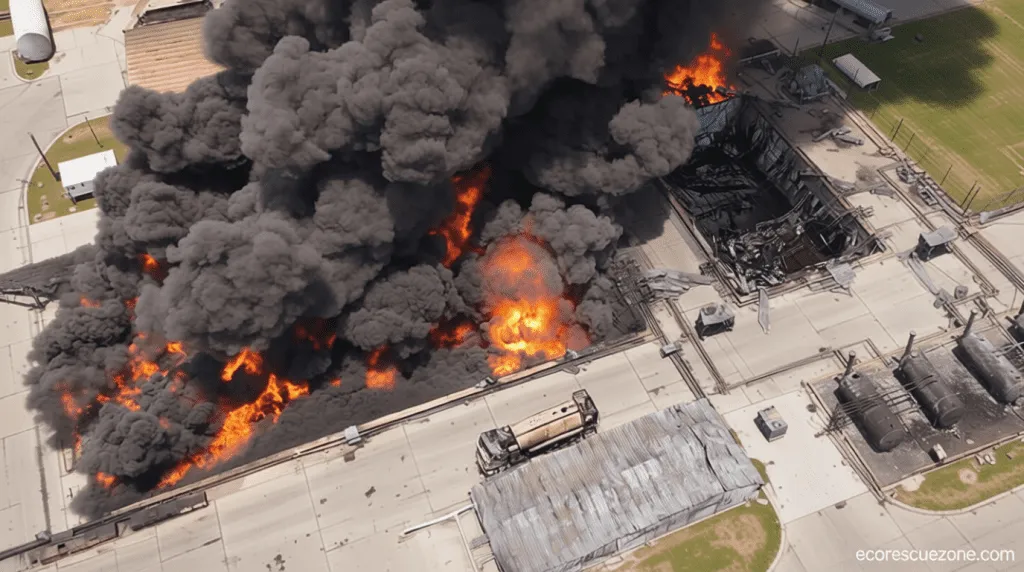
Qatar’s LNG production at its flagship facility faced disruption after Iranian drones targeted key sites in Mesaieed and Ras Laffan Industrial City. This halt has sent ripples through energy markets, particularly in Europe and Asia, where Qatar supplies around 20% of the world’s natural gas. Meanwhile, Saudi Arabia’s largest oil refinery was forced to close, while Iraqi output and Israeli gas fields also felt the effects. Dubai’s ports, among the busiest globally, are reported to be under threat.
On Friday, the UK Foreign Office noted that while the pace of Iranian attacks has slowed, the focus on economic and energy targets has broadened. Qatar’s Energy Minister, Saad al-Kaabi, warned in a Financial Times interview that the war could destabilize global economies. “If this war continues for weeks, GDP growth will suffer. Energy prices will rise, shortages will occur, and factories may struggle to operate,” he stated.
“A blockade of the Strait of Hormuz itself could trigger a global recession if it persists,” said Dr. Yousef Alshammari, president of the London College of Energy Economics. “As we approach summer, the risks of a global economic downturn may grow, especially with China—Iran’s major oil buyer—exerting political pressure.”
Alshammari also highlighted a 50% surge in gas prices, particularly in Europe, though oil price increases have been less severe than anticipated. He attributed this to current low demand and strong global oil supply. Meanwhile, former US ambassador to Azerbaijan Matthew Bryza questioned the logic of Iran’s strikes, noting that attacks on Azerbaijan and Turkey, despite its neutrality, lacked a clear strategic purpose. “Iran’s targeting of Nakhchivan, a region not directly involved in the conflict, seems illogical,” Bryza remarked.
“Azerbaijan’s President Ilham Aliyev had even offered to assist Iran in evacuating citizens from Beirut after the war began. Yet, hours later, Iran attacked,” Bryza explained. “This suggests a deliberate effort to destabilize societies and economies, possibly to pressure US President Donald Trump.”
