
Target’s comeback strategy is working
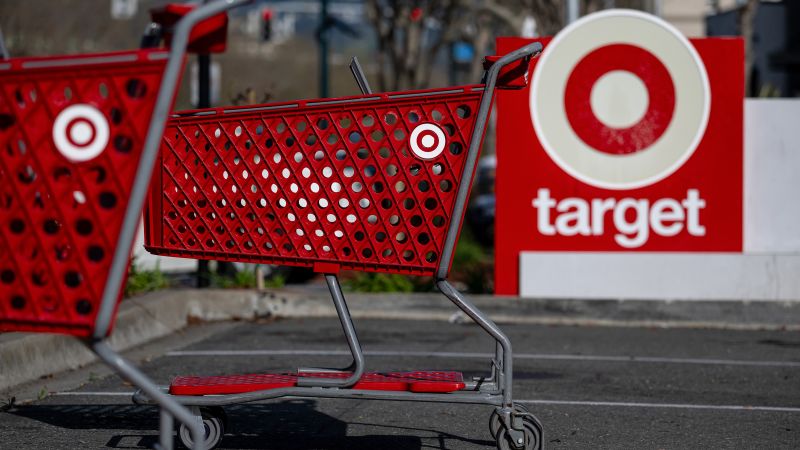
Target’s comeback strategy is working
Target s comeback strategy is working – As American consumers increasingly ignore the rise in fuel costs, Target is witnessing a notable resurgence in retail activity. The company’s latest quarterly results reveal that comparable sales, encompassing both physical and online transactions, surged by 5.6%—marking the strongest performance in over four years. This growth has prompted Target to revise its annual sales projections upward, reflecting optimism about sustained customer engagement. The momentum appears to be tied to a broader trend in the retail industry, where sales have consistently climbed for three months running, even amid elevated energy expenses.
Broader Retail Trends Fuel Target’s Recovery
The uptick in Target’s sales aligns with a resurgence observed across the retail sector. Despite the ongoing challenges posed by higher gas prices, shoppers are continuing to spend, driven by factors such as a robust labor market and increased tax refunds. These conditions have created a more favorable environment for consumer discretionary spending, benefiting retailers like Target. The company’s ability to capture this momentum suggests that its efforts to reposition itself in the market are resonating with customers.
Target’s performance is notable for its inclusivity across demographic segments. The gains are evenly distributed among different income groups and product categories, including nonessential items such as toys and beauty products. This broad-based success indicates that the retailer’s strategy is not only attracting budget-conscious shoppers but also appealing to those seeking indulgent purchases. The company’s emphasis on creating an engaging in-store experience has likely played a role in this balanced growth.
CEO’s Vision for Revitalizing the Brand
Michael Fiddelke, who assumed the role of Target CEO earlier this year, has positioned the company as a key player in the evolving retail landscape. His focus on reinvigorating the brand’s appeal has taken shape through a combination of strategic adjustments and innovative initiatives. Fiddelke’s leadership has been marked by a commitment to addressing past missteps and differentiating Target from its competitors.
One of the pivotal changes under Fiddelke’s tenure has been the company’s shift toward emphasizing experiential shopping. Unlike Walmart, which is renowned for its competitive pricing, or Amazon, which thrives on convenience, Target aims to highlight its unique in-store atmosphere. The concept of a “treasure hunt” in retail—where customers anticipate discovering unexpected finds—has become a cornerstone of the company’s strategy. This approach has helped Target carve out a distinct identity in a crowded market.
“We believe Target should regain market share as it progresses,” noted Joe Feldman, a retail analyst at Telsey Advisory Group, in a recent note to clients.
Feldman’s assessment underscores the confidence investors and analysts have in Target’s trajectory. The CEO’s strategy to attract shoppers with a curated mix of trendy and established brands has shown promise. Collaborations with high-profile names like Pokémon and Parke, a brand favored by social media influencers, have drawn significant attention and boosted foot traffic in recent months. These partnerships have not only revitalized product offerings but also tapped into cultural trends that resonate with younger demographics.
Target’s revitalization has not come without challenges. Over the past few years, the retailer faced criticism for scaling back Pride displays and reducing its commitment to diversity, equity, and inclusion (DEI) programs. These decisions sparked concern among liberal customers who felt the brand was moving away from its progressive values. However, the company has since recalibrated its approach, balancing inclusivity with a more consumer-centric focus.
Fiddelke’s transformation of Target’s brand image is evident in the way the company now markets itself. By reintroducing vibrant displays and aligning with popular cultural movements, Target has managed to reconnect with its core audience. Simultaneously, the retailer has expanded its product range to include items that cater to a wider spectrum of consumer preferences. This dual strategy of inclusivity and innovation has positioned Target as a versatile option in the retail market.
While the broader retail sector has seen a rebound, Target’s specific tactics have amplified its gains. The company’s ability to blend cost-effective pricing with a dynamic shopping experience has allowed it to capture market share from both Walmart and Amazon. Analysts suggest that this balance is crucial in maintaining relevance during a time of intense competition. Target’s latest results indicate that its strategy is not only surviving but thriving in this environment.
Looking ahead, Target’s focus on strategic partnerships and in-store experiences is expected to continue driving growth. The success of initiatives like the Pokémon collaboration has demonstrated that a fresh brand approach can stimulate interest and loyalty. As the company refines its offerings and strengthens its connection with shoppers, the retail landscape may see further shifts in consumer behavior and market dynamics.
Target’s revival serves as a testament to the effectiveness of its current strategy. By addressing past missteps and embracing a more holistic approach to customer engagement, the retailer has managed to reclaim its position in the market. The upcoming months will be critical in determining whether this momentum is sustainable, but for now, the numbers suggest a promising path forward. As Fiddelke continues to steer the company, Target’s commitment to innovation and inclusivity is likely to remain central to its growth strategy.
Consumers, once hesitant due to rising energy costs, are now showing renewed interest in Target’s value proposition. This shift highlights the resilience of American shoppers, who are adapting to economic pressures while still prioritizing retail spending. Target’s ability to navigate these challenges and deliver a compelling shopping experience has solidified its role as a key player in the retail sector. With its guidance and strategic focus, the company is well-positioned to build on this momentum and secure long-term success.
