
Cultural Significance of Festivals: Meaning, History, and Impact
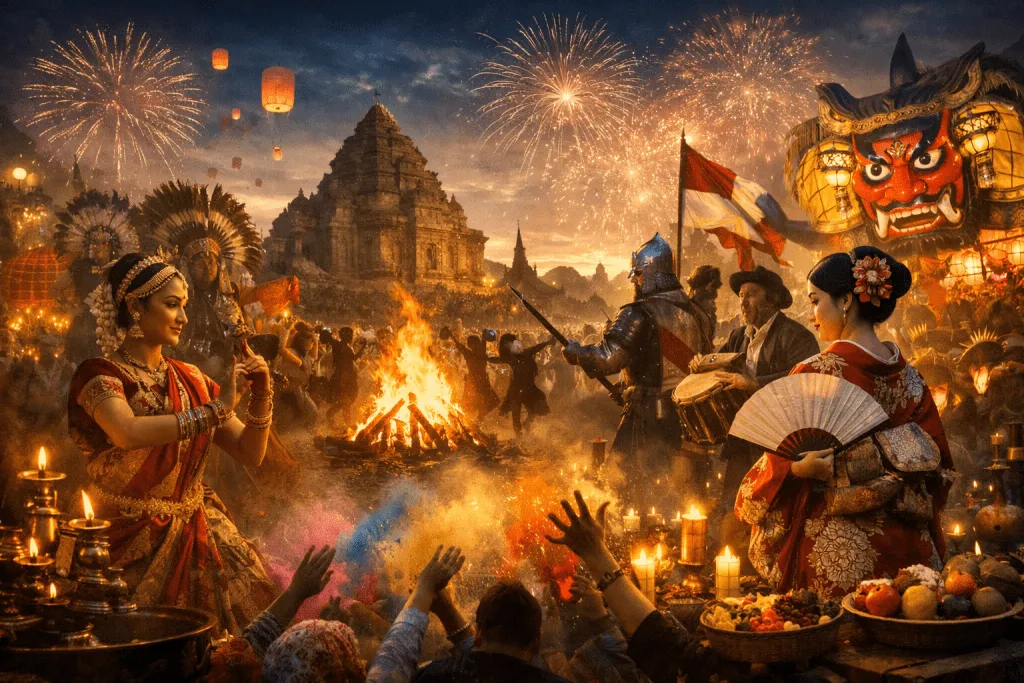
Festivals are more than public celebrations or annual holidays. They are structured expressions of collective memory, identity, and belief systems that shape how communities understand themselves. The cultural significance of festivals lies in their ability to connect past and present, reinforce shared values, and create continuity across generations. Through ritual, performance, and gathering, festivals transform abstract traditions into lived experience.
Across civilizations, festivals have marked seasonal changes, religious milestones, political transitions, and social achievements. Whether rooted in ancient harvest rituals or modern national commemorations, they function as cultural anchors. Understanding the cultural significance of festivals requires examining their historical origins, symbolic meanings, and measurable social impact.
Historical Origins of Festivals
Most festivals originated from practical and spiritual needs. Early agricultural societies created seasonal celebrations to mark planting and harvest cycles, aligning communal life with natural rhythms. These events often included offerings, music, and feasts intended to secure divine favor and social cohesion.
Religious traditions further formalized festivals by attaching them to sacred narratives. Events such as Diwali, Christmas, Ramadan, and Lunar New Year commemorate theological milestones while reinforcing spiritual discipline and moral values. Over centuries, these observances evolved, blending local customs with doctrinal frameworks.
Political and national festivals emerged later as tools of identity formation. Independence days, revolutions, and commemorative parades reinforce collective memory and civic loyalty. In this context, the cultural significance of festivals extends beyond spirituality into the construction of national consciousness.
Industrialization and globalization transformed festivals again. Urbanization concentrated populations, expanding the scale and visibility of celebrations. Media and technology amplified participation, allowing festivals to transcend geographic boundaries while preserving historical foundations.
Festivals as Carriers of Cultural Identity
Festivals act as repositories of language, dress, cuisine, music, and ritual practice. They preserve intangible cultural heritage by placing traditions into active performance rather than passive memory. Through repetition, communities internalize shared symbols and narratives.
Traditional attire worn during festivals often reflects regional identity and craftsmanship. Folk dances and songs encode historical events and moral lessons. Culinary traditions prepared during celebrations transmit generational knowledge and agricultural history.
The cultural significance of festivals is especially evident among diaspora communities. Migrant populations often maintain festivals abroad to sustain cultural continuity in foreign environments. These celebrations provide psychological stability and reinforce communal belonging.
Festivals also allow reinterpretation without erasing identity. Contemporary adaptations—such as eco-conscious rituals or inclusive reinterpretations—demonstrate that cultural continuity does not require rigidity. Instead, it depends on shared recognition of symbolic meaning.
Social Cohesion and Community Building
Festivals strengthen social bonds by creating structured opportunities for interaction. They bring together families, neighborhoods, and even strangers in collective participation. Shared rituals reduce social distance and reinforce trust.
Public celebrations often involve cooperation across social strata. Organizing committees, volunteers, performers, and local businesses collaborate toward a shared goal. This coordination builds networks that extend beyond the event itself.
Ritual participation also produces emotional synchronization. Collective singing, chanting, or prayer generates a shared emotional rhythm that fosters unity. Sociologists describe this phenomenon as collective effervescence, a temporary but powerful sense of communal identity.
The cultural significance of festivals includes their capacity to heal divisions. In post-conflict societies, inclusive festivals can rebuild fractured relationships by emphasizing common heritage over political differences. While not a substitute for policy reform, symbolic unity contributes to long-term stability.
Economic and Cultural Impact
Beyond symbolism, festivals generate measurable economic activity. Tourism linked to major celebrations contributes significantly to local economies. Hospitality, transportation, and small enterprises benefit from increased demand.
Artisans and performers gain platforms to showcase traditional crafts and skills. Cultural industries expand through sponsorships, merchandising, and digital distribution. These economic channels sustain artistic communities that might otherwise decline.
Urban branding strategies often center on signature festivals. Cities known for events such as Carnival in Rio, Oktoberfest in Munich, or Holi celebrations in India leverage cultural reputation to attract global audiences. The cultural significance of festivals thus intersects with economic development.
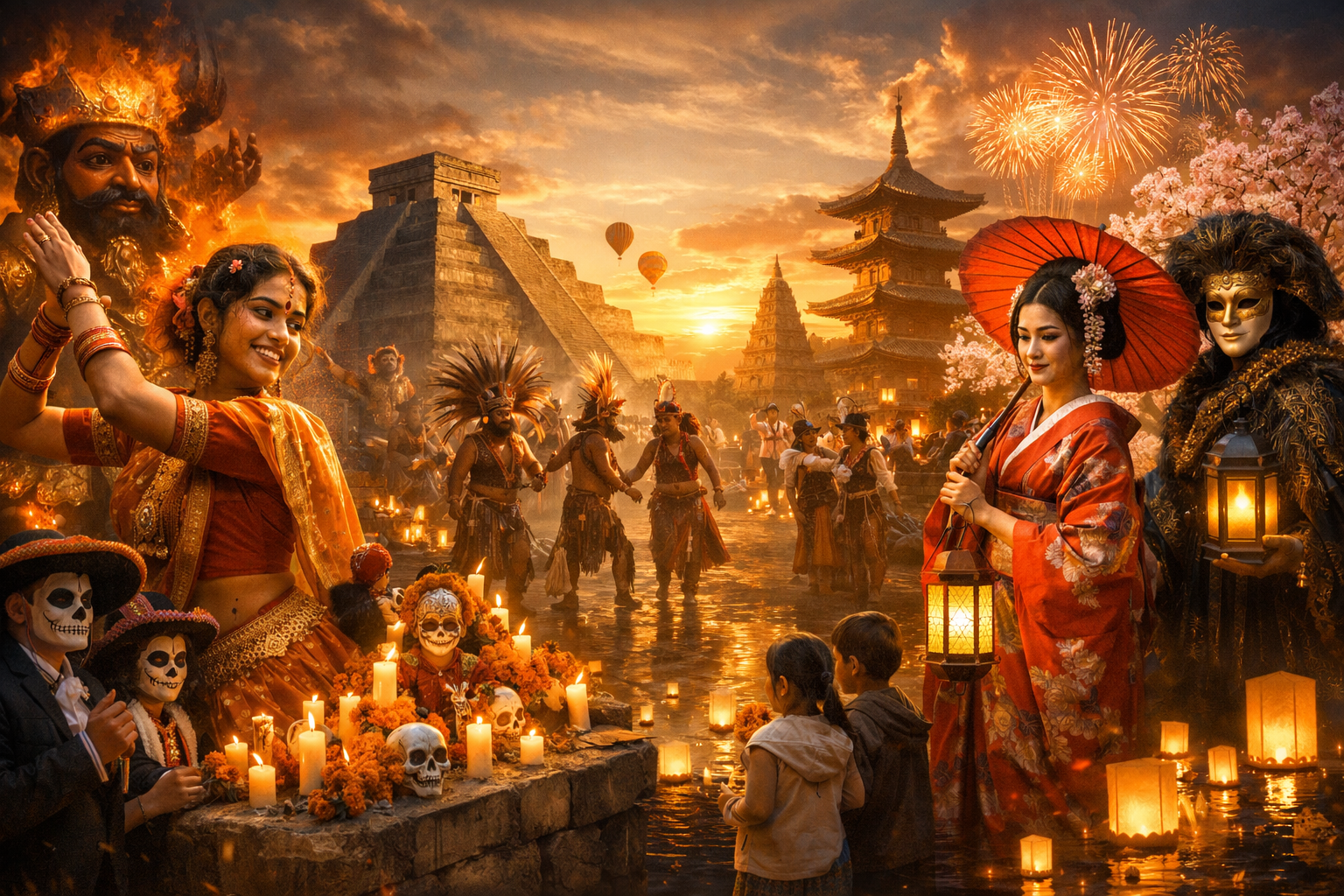
However, commercialization introduces tension. Excessive commodification can dilute authenticity and reduce sacred rituals to spectacle. Sustainable management requires balancing economic opportunity with respect for cultural integrity.
Symbolism, Ritual, and Meaning
At the core of every festival lies a symbolic structure. Ritual acts—lighting lamps, sharing meals, processions, fasting—encode layers of meaning. These actions translate abstract beliefs into physical expression.
Symbols often operate at multiple levels. A harvest feast may represent gratitude for crops, divine blessing, and communal interdependence simultaneously. Fireworks might symbolize triumph, purification, or renewal depending on context.
The repetition of ritual across years creates continuity. Children observe and participate, internalizing values through embodied practice rather than formal instruction. This experiential transmission explains the durability of festival traditions across centuries.
The cultural significance of festivals also includes the negotiation of change. When societies evolve, rituals adapt. New social values, environmental concerns, or technological tools reshape celebration without eliminating symbolic foundations.
Globalization and the Modern Transformation of Festivals
Globalization has expanded the visibility of festivals beyond local communities. Digital platforms broadcast events to global audiences, transforming regional traditions into international phenomena. This exposure increases cultural exchange and awareness.
Cross-cultural adoption of festivals illustrates both appreciation and adaptation. Events like Halloween and Valentine’s Day have spread internationally, sometimes detached from their original historical meanings. Localization reshapes them to align with regional norms.
Diaspora communities contribute to transnational festival networks. Migrants organize celebrations abroad, often blending elements from host and home cultures. This hybridization reflects dynamic identity formation rather than cultural loss.
At the same time, global visibility can risk homogenization. When festivals are redesigned primarily for tourism or media appeal, subtle cultural nuances may fade. Preserving the cultural significance of festivals in a global context requires intentional safeguarding of tradition.
Conclusion
The cultural significance of festivals extends far beyond celebration. Festivals preserve history, reinforce identity, strengthen social bonds, stimulate economic activity, and encode symbolic meaning. They function as living systems of cultural transmission, adapting across generations while maintaining core values. Through ritual and communal participation, festivals sustain the continuity of collective memory in an evolving world.
FAQ
Q: Why are festivals important in every culture? A: Festivals reinforce shared values, preserve traditions, and strengthen community bonds through collective participation.
Q: How do festivals reflect cultural identity? A: They showcase traditional dress, food, language, music, and rituals that express a community’s historical and social heritage.
Q: Can festivals change over time without losing meaning? A: Yes. Adaptation allows festivals to remain relevant while retaining their symbolic foundations and core narratives.
Q: What is the economic impact of major festivals? A: Festivals stimulate tourism, support local businesses, and provide income for artisans, performers, and cultural industries.
Q: How does globalization affect the cultural significance of festivals? A: Globalization increases visibility and exchange but may also commercialize or dilute traditions if not carefully managed.
