
Cultural Trends in Modern Society: What’s Shaping Life Today
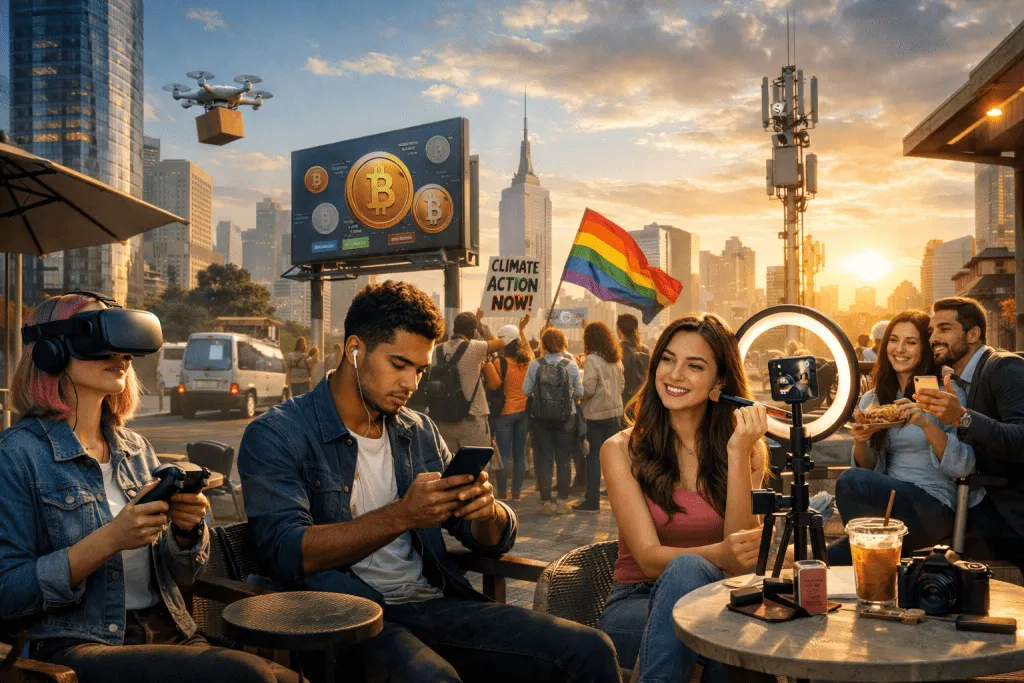
Modern life is changing fast, and the most visible evidence is how people think, communicate, work, and build identity. Cultural trends in modern society are being shaped by technology, shifting values, global connectivity, and new expectations about fairness, meaning, and wellbeing. These trends are not only happening in big cities or online spaces—they are influencing everyday routines, relationships, and even how people define success.
To understand what is shaping life today, it helps to look at the strongest cultural patterns that keep appearing across countries, industries, and age groups. Some trends are driven by social media and algorithms, while others come from deeper economic pressures and generational value shifts. Together, they explain why modern society feels more connected, more expressive, and more conflicted at the same time.
The Digital-First Culture: Life Through Screens and Algorithms
One of the biggest cultural trends in modern society is the shift toward a digital-first lifestyle. Many social interactions now begin online, even when they end in real-world meetings. People discover friends, partners, communities, and opportunities through platforms that did not exist a generation ago.
This shift is not only about convenience. It changes how identity is built, because online spaces reward visibility, speed, and constant output. The result is a culture where being “present” often means being active on social media, not necessarily being physically present.
Algorithms also shape what people believe is important. News feeds and recommendation systems decide what users see, which influences opinions, trends, and emotional reactions. Over time, this creates a society where cultural knowledge is personalized, fragmented, and sometimes harder to share across groups.
Digital culture has also normalized instant access. People expect immediate responses, fast entertainment, and on-demand services. While this improves efficiency, it can also reduce patience and increase anxiety when life does not move at the same speed as technology.
Identity, Inclusion, and the Rise of Values-Based Living
Another major force shaping modern culture is the focus on identity and inclusion. People are more open about who they are, what they believe, and what they need. Topics once treated as private—such as mental health, gender roles, personal boundaries, and discrimination—are now widely discussed in public.
This trend is closely linked to values-based living, where individuals choose products, careers, and communities that match their principles. In many places, cultural influence is no longer controlled only by institutions. Everyday people shape norms through activism, content creation, and online movements.
At the same time, identity-focused culture can increase conflict. When people build strong identities around political or moral beliefs, disagreements can feel personal rather than practical. This is why modern society often experiences intense debates about language, representation, and fairness.
However, the broader impact is clear: modern culture is increasingly shaped by the idea that everyone deserves recognition and dignity. This has changed workplaces, education systems, media storytelling, and consumer expectations. It is now common for people to demand transparency, ethical behavior, and accountability from leaders and brands.
Work, Lifestyle, and the Redefinition of Success
Work culture has changed dramatically, and it is one of the most practical cultural trends in modern society. Many people no longer see traditional career paths as the only way to build a stable life. Remote work, freelancing, and digital entrepreneurship have made work more flexible, but also more uncertain.
The meaning of success is also shifting. For many, success is not only about money or status. It includes time freedom, health, meaningful relationships, and personal fulfillment. This has led to stronger interest in work-life balance, shorter workweeks, and mental wellbeing policies.
At the same time, economic pressure has not disappeared. Housing costs, inflation, and job competition push people to work harder. This creates a cultural contradiction: society celebrates slow living and wellness, while many individuals feel they cannot afford it.
Lifestyle culture is also influenced by social media, where productivity and “perfect routines” are constantly displayed. This creates a cycle of comparison, where people feel pressured to optimize everything—career, fitness, diet, relationships, and personal branding.
The modern trend is not simply “people want to work less.” It is that people want work to feel fair, meaningful, and sustainable. That is why cultural conversations about burnout, toxic workplaces, and emotional labor are more common than ever.
Global Influence and Hybrid Cultural Expression
Modern society is deeply globalized. Music, fashion, food, language, and entertainment move across borders instantly. This is one of the most visible cultural changes today, because trends spread faster than local traditions can adapt.
As a result, many people develop hybrid cultural identities. A person may speak one language at home, follow global influencers online, and adopt fashion or humor from another region. Cultural boundaries become less strict, especially among younger generations.
Global influence also changes what people consider “normal.” Beauty standards, lifestyle expectations, and relationship norms can be shaped by content from completely different cultures. This can be empowering, because people gain more options and perspectives.
However, it also creates tension. Some communities worry about losing local traditions, languages, or values. Others argue that culture has always evolved through exchange, and global connectivity is simply accelerating that process.
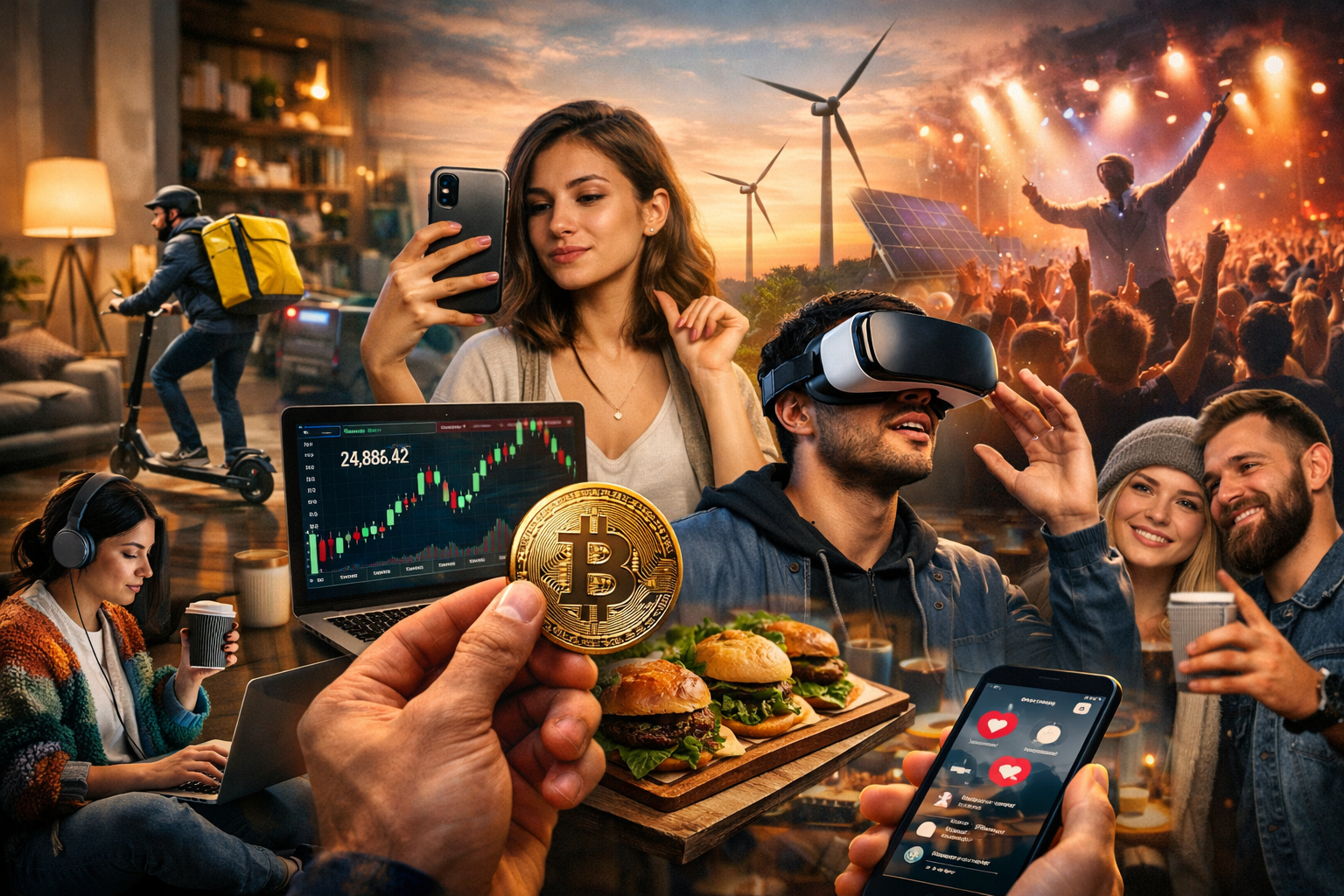
Hybrid expression can be seen everywhere: fusion cuisine, multilingual memes, international streaming shows, and global fan communities. These are not minor entertainment shifts—they are shaping how people connect, how they learn, and how they imagine their place in the world.
Wellness Culture, Mental Health, and Emotional Awareness
The growing focus on mental health is one of the strongest cultural trends in modern society. People are more willing to discuss anxiety, depression, trauma, and emotional wellbeing without shame. This is changing relationships, parenting, education, and even leadership styles.
Wellness culture has expanded beyond basic health. It includes therapy, meditation, journaling, mindfulness, fitness routines, and alternative healing practices. Many people treat emotional wellbeing as a daily responsibility, not something addressed only during crisis.
This trend has positive outcomes, such as better awareness of boundaries and emotional needs. People are more likely to recognize toxic behavior, seek help, and build healthier communication habits. Society is also learning new language for emotions, which improves empathy and conflict resolution.
At the same time, wellness culture has risks. Some parts of it become commercialized, turning wellbeing into a product rather than a practice. Others promote unrealistic expectations, suggesting that happiness is always achievable through self-improvement.
Modern emotional awareness is also shaped by digital life. Constant news exposure, social media conflict, and online comparison can increase stress. This is why many people are now practicing digital detox, slow media consumption, and intentional living.
Consumer Culture, Sustainability, and Ethical Expectations
Consumer behavior is no longer only about price and convenience. A major cultural trend in modern society is the rise of ethical expectations. Many consumers want to know where products come from, how workers are treated, and whether companies harm the environment.
Sustainability is now a cultural identity for many people. It shows up in fashion choices, food preferences, transportation habits, and lifestyle decisions. Concepts like minimalism, second-hand shopping, and eco-friendly living have become mainstream in many regions.
This shift is also linked to distrust in institutions. People often assume companies may hide negative impacts, so they demand transparency. That is why brand trust, corporate responsibility, and social impact messaging have become more common.
However, ethical consumer culture is complicated. Many people support sustainability in principle but face financial limitations. Eco-friendly options can cost more, and not everyone has equal access to sustainable choices.
Even with these challenges, the direction is clear: cultural expectations now include responsibility. Modern society increasingly sees consumption as a reflection of values, not just a practical activity.
Conclusion
Cultural trends in modern society are being shaped by digital life, identity and inclusion, changing work values, global cultural exchange, wellness awareness, and rising ethical expectations. These trends influence how people live daily, how they define success, and how they connect with others. Modern culture is not moving in one direction—it is expanding, blending, and evolving at high speed.
FAQ
Q: What are the biggest cultural trends in modern society today? A: The biggest trends include digital-first living, identity and inclusion, changing work values, global cultural blending, mental health awareness, and sustainability-focused consumer behavior.
Q: How does technology influence cultural trends in modern society? A: Technology shapes attention, communication, and identity through algorithms, social media, and instant access, which affects how people form opinions and social norms.
Q: Why is mental health such a major cultural trend right now? A: Mental health awareness has grown due to better education, reduced stigma, and increased stress from modern economic and digital pressures.
Q: Are global cultural trends replacing local traditions? A: In many places, global trends mix with local traditions, creating hybrid cultural expression rather than fully replacing local identity.
Q: Why are consumers more focused on ethics and sustainability today? A: People increasingly connect purchasing choices with values, driven by environmental concerns, social justice awareness, and demand for transparency from companies.
