
Effective Sustainable Habitat Restoration Strategies
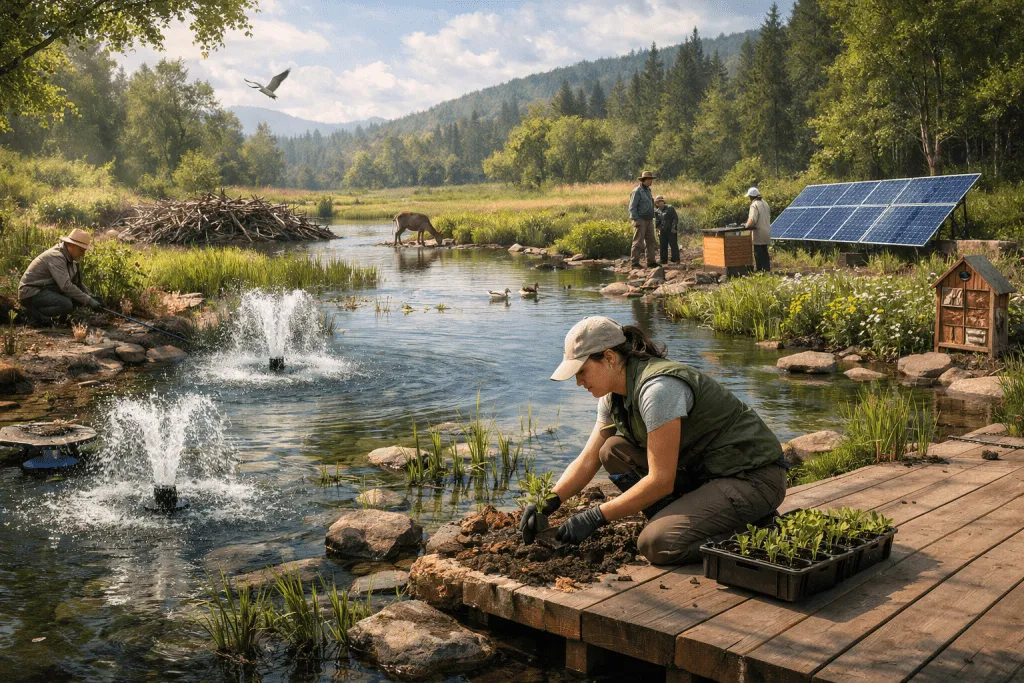
Habitat degradation continues to threaten biodiversity, ecosystem services, and human livelihoods worldwide. Effective sustainable habitat restoration strategies aim to repair damaged ecosystems while ensuring long-term ecological balance and community resilience. These strategies go beyond short-term fixes by addressing root causes such as land-use change, pollution, and climate pressures. By integrating science, policy, and local participation, restoration efforts can deliver measurable and lasting outcomes.
Restoration today is not limited to planting trees or reintroducing species. It requires a systems-based approach that rebuilds ecological processes, strengthens biodiversity, and supports surrounding communities. The most effective initiatives are guided by clear baselines, adaptive management, and long-term monitoring. When properly implemented, sustainable habitat restoration strategies contribute to climate mitigation, water security, and economic stability.
Understanding the Ecological Baseline
Every restoration effort must begin with a rigorous assessment of the original ecosystem. This includes analyzing soil composition, hydrology, native species diversity, and historical land use. Without understanding the baseline conditions, restoration risks creating artificial landscapes that fail to function naturally.
A baseline assessment identifies degradation drivers such as invasive species, overgrazing, pollution, or altered water flows. It also determines whether full ecological recovery is possible or if partial restoration is more realistic. Data collection through satellite imagery, biodiversity surveys, and community interviews ensures that interventions are grounded in evidence.
Setting measurable targets is equally critical. Clear ecological indicators—such as native species return rates, soil organic matter levels, or water quality improvements—allow stakeholders to evaluate progress. Sustainable habitat restoration strategies depend on continuous monitoring rather than one-time interventions.
Restoring Native Biodiversity and Ecosystem Functions
The core objective of habitat restoration is the recovery of native biodiversity and essential ecosystem functions. Reintroducing indigenous plant species stabilizes soil, supports pollinators, and rebuilds food webs. Native vegetation also improves resilience against climate extremes compared to monoculture plantations.
In many degraded landscapes, invasive species dominate and suppress local flora and fauna. Effective removal or control programs are necessary before native species can reestablish. Integrated methods—mechanical removal, biological controls, and targeted grazing—help prevent reinvasion.
Restoration must prioritize ecological interactions rather than isolated species. Pollination networks, predator-prey dynamics, and nutrient cycles are interconnected processes that sustain ecosystem health. Sustainable habitat restoration strategies therefore focus on rebuilding entire ecological systems, not just visible vegetation cover.
In aquatic environments, restoring wetlands and riverbanks improves water filtration and flood regulation. Reestablishing natural water flow patterns is often more impactful than structural engineering solutions. When ecosystems regain their functional integrity, biodiversity recovery becomes self-sustaining.
Climate-Smart Restoration Approaches
Climate change introduces additional complexity to restoration planning. Rising temperatures, altered rainfall patterns, and extreme weather events can undermine traditional methods. Modern sustainable habitat restoration strategies incorporate climate adaptation and mitigation from the outset.
Selecting climate-resilient native species improves long-term survival rates. Assisted natural regeneration—protecting existing vegetation and allowing ecosystems to recover naturally—can be more sustainable than intensive planting. This approach reduces costs while preserving genetic diversity.
Carbon sequestration is another key consideration. Restored forests, peatlands, and mangroves act as significant carbon sinks. Protecting and rehabilitating these ecosystems contributes to global climate goals while delivering local ecological benefits.
Landscape connectivity also supports climate resilience. Creating ecological corridors enables species migration as environmental conditions shift. Fragmented habitats limit adaptation, whereas connected landscapes enhance genetic diversity and survival.
Community Engagement and Local Governance
Habitat restoration cannot succeed without strong community involvement. Local populations often depend on natural resources for agriculture, fishing, and livelihoods. Sustainable habitat restoration strategies align ecological objectives with social and economic realities.
Community-based management empowers residents to participate in planning and implementation. Training programs in sustainable agriculture, agroforestry, or eco-tourism provide alternative income sources that reduce environmental pressure. When communities benefit directly, restoration outcomes are more durable.
Clear governance structures are essential to prevent land-use conflicts. Collaborative agreements between governments, landowners, and indigenous groups ensure equitable decision-making. Transparency in resource allocation and monitoring builds trust among stakeholders.
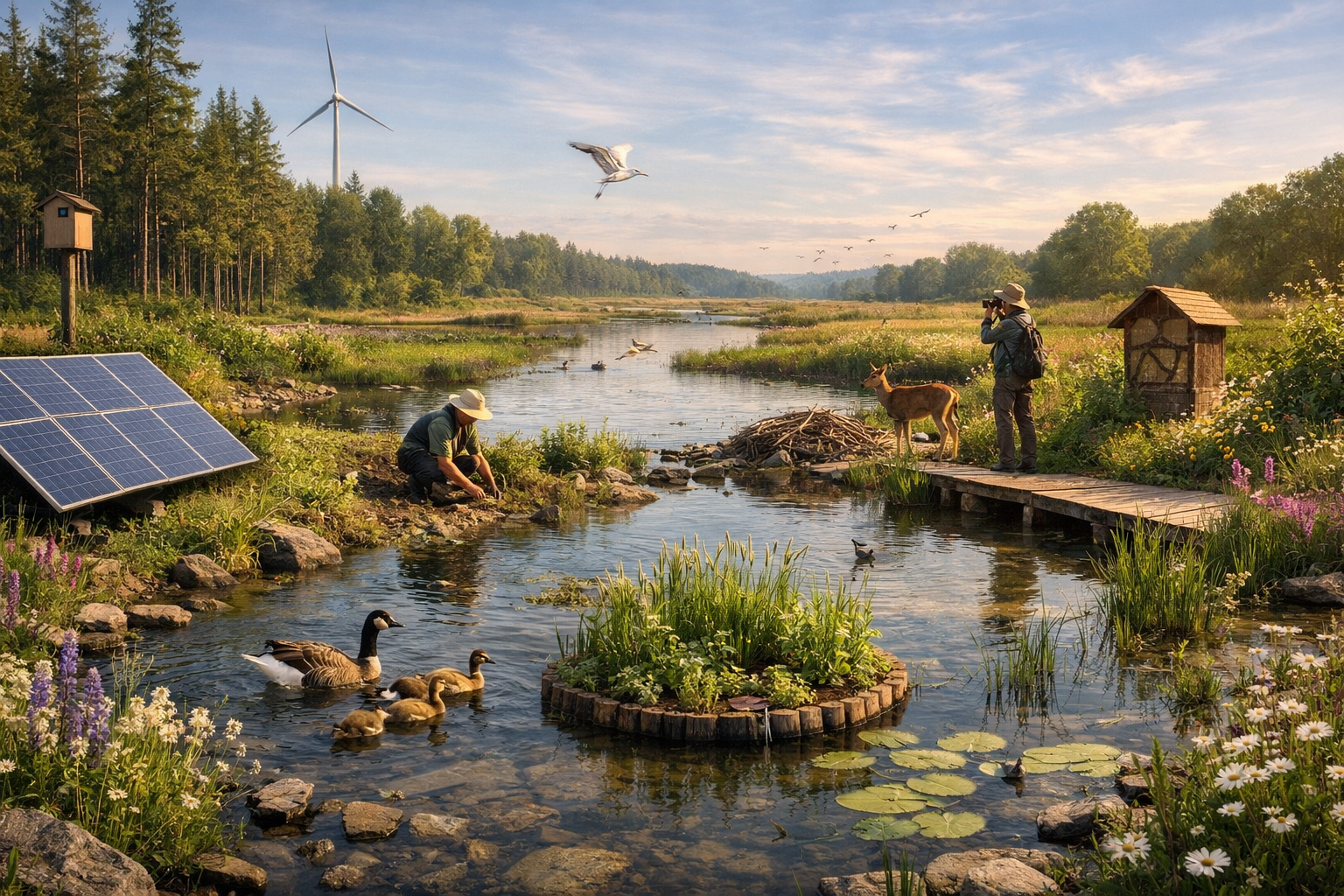
Traditional ecological knowledge also enhances restoration effectiveness. Indigenous practices often reflect centuries of adaptation to local ecosystems. Integrating scientific research with local expertise creates balanced and context-specific strategies.
Policy Integration and Long-Term Monitoring
Restoration efforts must be embedded within supportive policy frameworks. Environmental regulations, land-use planning, and incentive mechanisms encourage sustainable practices. Without institutional backing, isolated projects struggle to scale or endure.
Financial mechanisms such as carbon credits, biodiversity offsets, and conservation grants provide funding for long-term maintenance. However, funding models must prioritize ecological integrity rather than short-term economic gains. Sustainable habitat restoration strategies require multi-year commitments.
Monitoring systems ensure accountability and adaptive management. Remote sensing technology, biodiversity indices, and soil testing provide quantitative data for evaluation. When targets are not met, strategies must be adjusted based on observed outcomes.
Scaling restoration across regions demands coordinated policy alignment. National biodiversity plans, climate adaptation strategies, and watershed management programs should reinforce one another. Integrated governance transforms localized success into broader environmental recovery.
Leveraging Technology and Innovation
Technological advancements are improving restoration efficiency and precision. Geographic Information Systems (GIS) enable detailed habitat mapping and degradation analysis. Drone-based monitoring accelerates data collection in remote or large-scale landscapes.
Seed banks and genetic research strengthen species reintroduction programs. Preserving diverse genetic material increases resilience against disease and climate stress. Biotechnology can also assist in rehabilitating polluted soils through microbial remediation.
Data-driven decision-making reduces uncertainty and enhances transparency. Open-access environmental databases allow stakeholders to share findings and refine methodologies. Sustainable habitat restoration strategies increasingly rely on innovation while maintaining ecological ethics.
Restoration technology must remain complementary to ecological principles. Overreliance on artificial interventions risks creating dependency rather than resilience. Innovation is most effective when it supports natural regeneration processes.
Conclusion
Effective sustainable habitat restoration strategies combine ecological science, climate adaptation, community engagement, and policy integration. By restoring native biodiversity, rebuilding ecosystem functions, and ensuring long-term monitoring, degraded landscapes can recover sustainably. Restoration is not a one-time project but an ongoing commitment to ecological balance and resilience.
FAQ
Q: What are sustainable habitat restoration strategies? A: They are long-term, science-based approaches designed to restore degraded ecosystems while ensuring ecological balance, climate resilience, and community sustainability.
Q: Why is native species restoration important? A: Native species support local food webs, stabilize soil, and enhance ecosystem resilience, making recovery more sustainable and self-sustaining.
Q: How does climate change affect habitat restoration? A: Climate change alters temperature and rainfall patterns, requiring adaptive planning and climate-resilient species selection.
Q: Can communities benefit from habitat restoration projects? A: Yes, community-based restoration can create jobs, support sustainable livelihoods, and strengthen local governance.
Q: How long does habitat restoration typically take? A: Restoration timelines vary by ecosystem, but meaningful ecological recovery often requires years or decades of consistent management and monitoring.
