
How Were Traditional Styles Reflected in Chinese Culture?
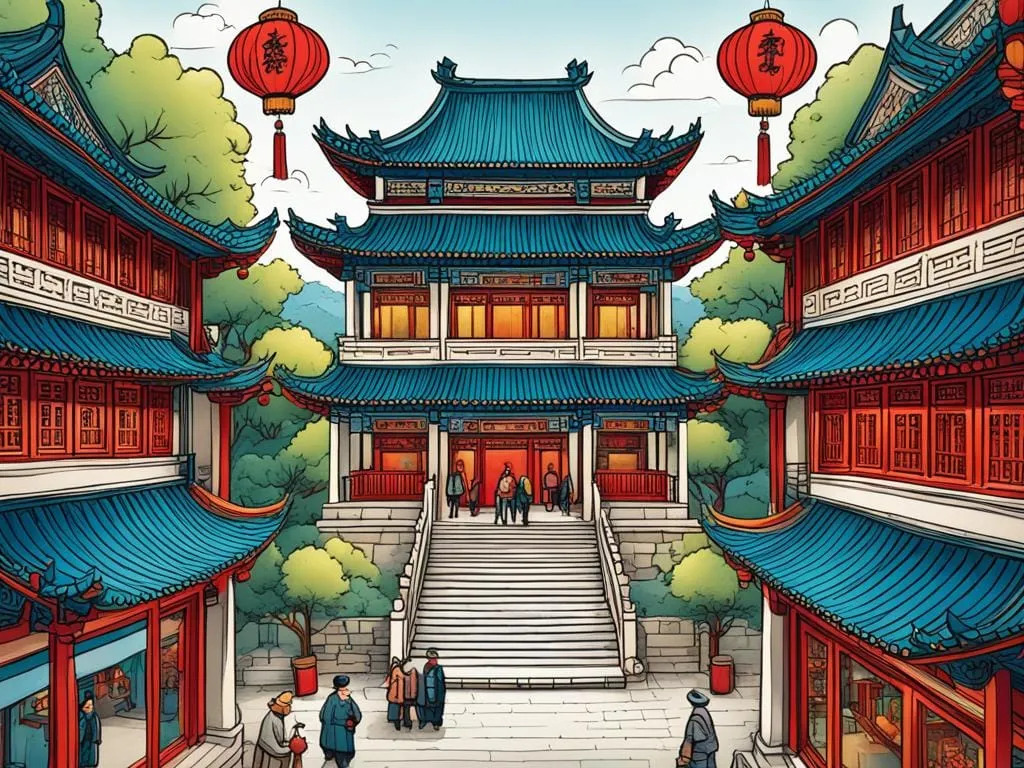
How Were Traditional Styles Reflected in Chinese Culture? Chinese civilization is truly ancient, starting thousands of years ago.1 It has grown into a huge range of customs over time.
From things like art, buildings, poems, and plays to ways of thinking.1 These traditional ways are very important in China and still influence its people today.2
Looking into Chinese culture, we learn how these old ways are seen across China’s history. We see how they have lasted and changed over the years.
Traditional Chinese Art Forms
Chinese art is famous for being beautiful and diverse.3 Calligraphy is seen as the top art form in China. It’s tied deeply to the nation’s spiritual and cultural roots. The brush strokes show the writer’s personality and wisdom.1 Painting in China uses the same tools as calligraphy.
The movement and energy in the brush strokes show its quality.3 Bronzes and jade carvings also demonstrate China’s expert craftsmanship. Paying great attention to detail is a big part of Chinese artistic work.4 These types of art highlight China’s vibrant visual culture.
Chinese Calligraphy
3 Calligraphy is often seen as China’s highest art form.3 To practice it, one needs to learn the brush, paper, ink, and inkstone. Mastery of these tools is highly respected.3 Carving seals takes years to get right. The carved seals are used to stamp marks on Chinese art.
Chinese Painting
3 Traditional Chinese paintings come in different forms. This includes albums, scrolls, and special landscape pieces.3 Tapestries use a cut-silk technique. This method, like in the Three Stars tapestry, shows the Chinese focus on detail and skill in textile art.
Chinese Bronzes
4 The Bronze Age in China started with the Xia dynasty. It thrived in the Shang dynasty, known for intricate bronze work. Their pieces showed animals in unique styles.4 In the Warring States period, bronzed vessels became more about beauty than just religion.
They depicted scenes or had complex patterns with precious materials.4 In the Han dynasty, bronze works for funerals blended art with honoring ancestors.3 Bells made in bronze played a key role in Chinese life, being used in many rituals and for entertainment over centuries.
Chinese Jade Carving
4 The Liangzhu Jade culture lasted for around 1,300 years. They made finely detailed ritual jades. These included cylinders, discs, and axes that were often open-worked. These pieces looked like white bone because they were made from tremolite rock.
Influence of Confucianism on Chinese Culture
For centuries, Confucianism has shaped Chinese society, deeply affecting its culture.5 It highlights social harmony, respect for elders, and good morals. These influence daily interactions and social systems.2 People in China value harmony greatly, seeking peace within society and with nature. This plays a big part in their mindset.2 Being kind, a key Confucian value, is seen as crucial. They believe a happy family leads to success, stressing the importance of family ties.
Confucian Values and Etiquette
2 Important Chinese figures, like Wei Qing, are known for their virtues. They inspire many with their wisdom and goodness.2 Honesty is a high virtue tied to hard work, not cheating.
Confucius taught that earning respect through honest labor is the best way.2 Chinese loyalty focuses on serving their country and being true to loved ones, showing a deep connection to their history.
Also, respecting your elders is deeply embedded in Chinese society thanks to Confucian values.5 These teachings profoundly influenced the Han Dynasty and continue to impact China to this day.
2 China’s approach to foreign affairs is rooted in these traditional values of kindness and respect.2 The ‘Five Principles of Peaceful Coexistence’ are vital for how China engages with the world, highlighting the enduring power of these ideals.
Chinese Architectural Styles
Chinese architecture is famous for its unique styles developed over thousands of years.6 Early Chinese buildings were mostly made of wood. They had complex roofs. Buildings were also made from rammed earth, stone, or brick.6 This choice was due to the areas around the Yellow River and the Yangtze River.6
These regions had a lot of trees. So, wooden buildings were common. They stayed popular from ancient times up to the modern era.6
Traditional Chinese Residential Architecture
Traditional Chinese homes had courtyards, showing a connection to nature and family life.6 They were made from wood and had tile roofs. This meant they were strong against earthquakes and bad weather.6
The houses had big roofs to protect from the sun and cold.6 In the winter, the homes faced south to catch the most sun.6 They were also built to keep out danger.6 Older buildings in China were usually one floor. They were safer during earthquakes.6 Areas without many earthquakes had taller homes.
Chinese Temple and Palace Architecture
Temples and palaces in China had richly decorated roofs and carvings.7 They reflected the country’s philosophical and religious ideas.7 Doors and windows were built to show the changing seasons.7
Buildings were designed to be in harmony with nature.7 The Forbidden City, for example, shows a lot of symmetry. This is from the ideas of Confucius.7 The colors of buildings matched with the five elements.7 Square and round designs together showed the connection between Earth and Heaven.7
China has many different architectural styles, each from a certain time or area.8 Other East Asian countries like Japan and Korea have taken inspiration from Chinese architecture.8 In modern China, there’s a move towards taller buildings, which is changing the countryside.8
In the 20th century, Chinese architects started blending traditional designs with new styles.8
The area south of the Yangtze River is known for its unique blue-gray buildings.7 North of the river, buildings have red walls and yellow tiles. They also have touches of blue and green.7 The architecture aims for peace and health for those who use the buildings.7
China has a great high-speed rail network. This makes travel easier for its big population.8 In the past, rammed earth was used to build quickly, like in the Daqing oil field. This work shows a strong commitment to big national goals.8
In 2014, Datong city began to rebuild traditional buildings. At first, people were doubtful, but they soon saw the value.8 Tradition often fits with the local environment and weather.8 Symmetry in Chinese design makes places feel balanced and well-designed.8 Chinese gardens, unlike buildings, are often not perfectly symmetrical. They reflect a harmony between nature and people.8 Open spaces enclosed by buildings are a common feature. This design is seen in the Siheyuan type of home.8
Chinese Literature
Chinese literature has a long, rich history that defines the nation’s character.9 It has saved more than 3,000 years of writing in its books. This includes a wide range of styles, from old poems to new novels and plays.
Classical Chinese Poetry
Classic Chinese poetry uses vivid images and gentle feelings. It has been seen as high art for ages.9 The ‘shi’ type became popular in the Han dynasty and stayed important for 1,200 years.9 This style mixes language and emotion in a way that still moves readers today, both in and out of China.
Chinese Novels and Dramas
Besides poetry, China’s literary scene is full of stories and plays.9 During the Tang dynasty, people started writing short tales.9 Drama, though not as big, also marked its place through opera. These works cover many topics and have helped shape China’s culture and arts.
Chinese writing has changed over the years but always held onto its culture.9 It adapted as China did, embracing new ifeas. From the early 20th century’s mix with the west to post-Cultural Revolution authors, words have been a key part of China’s story. Exploring Chinese writing offers a deeper understanding of its lasting impact.
Chinese Performing Arts
Chinese culture values the performing arts greatly. It has a wide variety of traditions.1 Since the Warring States period and beyond, a new group of people began supporting the arts.1 This support helped many different art forms to grow throughout China.
Traditional Chinese Music
Traditional Chinese music uses instruments like the guqin and erhu. These are linked to the country’s deep thoughts and spiritual ideas.10 In central China, the gudi, an ancient flute, has roots dating back 8,000 years.10 This shows the long history of music in Chinese culture.10 Between 3,500 to 2,000 years ago, ancient Chinese rulers buried musical instruments in their tombs. These included stone chimes and drums, showing the value of music long ago.
Chinese Opera
Chinese opera mesmerizes with its rich costumes and stories. It has unique vocal forms.1 After the Han dynasty, a distinction grew between lower-class pros and high-class ametuers.1 This change helped the art to spread among all social groups.
Chinese Dance
Chinese dance often shows martial arts moves and old stories. It’s a way to celebrate and express culture.1 Since the Song dynasty, an art style focused on being simple and graceful became popular.1 This reflects the change in taste over time in Chinese arts.
All these art forms add color to China’s cultural landscape.1 The Chinese value calligraphy and painting, seeing them as models for many other art forms. They bring form, harmony, and style to Chinese art.1
Chinese Festivals and Rituals
Festivals and rituals are key in Chinese culture. They allow for joyful gatherings, the keeping of traditions, and the sharing of wisdom through generations.11 With a cultural history spanning over 3,600 years,11 and a diverse population of 56 ethnic groups, the celebrations are vibrant. The Han Chinese, making up 91.60% of the population, contribute greatly to the variety of holiday customs.
Chinese New Year
The Lunar New Year, or Chinese New Year, is very important. It marks the start of the year in the Chinese calendar. In China, it falls within 15 to 25 days of January,11 leading to joyful family gatherings and vibrant decorations. Red envelopes filled with money are exchanged to bring luck for the coming year.
Mid-Autumn Festival
The Mid-Autumn Festival is a popular event celebrated around the harvest and the moon.11 It’s placed in the group of Chinese festivals that focus on nature, religion, and community. The festival features the eating of mooncakes, family get-togethers, and admiration of the full moon. The moon symbolizes unity and prosperity.
Qingming Festival
The Qingming Festival, known as Tomb Sweeping Day, pays respect to ancestors.12 Starting in 2007, it became a national holiday in China. This change grouped it with other important festivals like the Dragon Boat, and Mid-Autumn ones. During this time, families visit their ancestors’ graves, tidy up the resting places, and offer things to remember them by. This reflects the deep respect Chinese culture has for family and tradition.
These festivities show the profound cultural values of China.12 Starting in 2006, a list of important cultural heritages was recognized. It included 70 items focused on traditional customs, with key festivals like the Spring Festival and Qingming Festival. These acknowledgments highlight the importance of preserving these cultural practices.
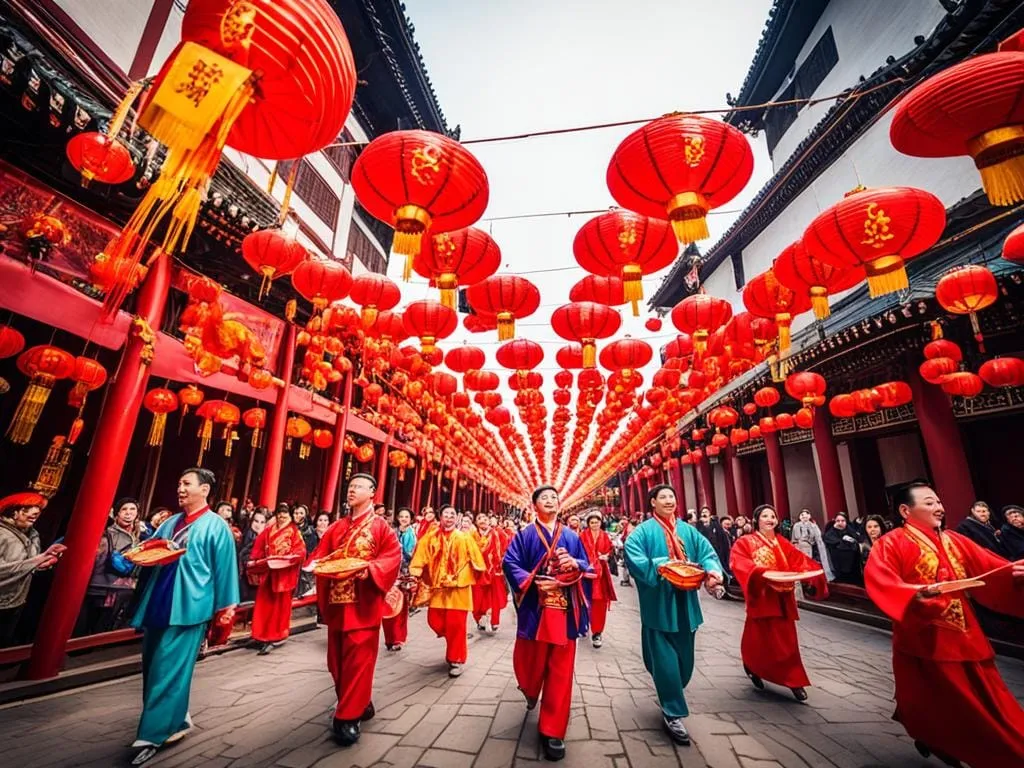
How Were Traditional Styles Reflected in Chinese Culture?
Chinese culture is known for keeping its traditions alive over thousands of years. They balance keeping old ways while welcoming new ones. Art, literature, and even social structure show the deep roots and growth of Chinese values over time. This mix of old and new shapes China’s identity and how they see the world.13
During times like the Warring States, new classes like landowners and merchants supported Chinese art.1 The Han dynasty saw the idea that culture was a pastime for the educated flourish, boosting traditional Chinese styles. A simplicity and modesty in art was praised from the Song dynasty onwards, reflecting China’s values and tastes.1
Even when facing big changes, like the Cultural Revolution, China’s cultural marks remained.1 This period liked art that everyday people could create, similar to art from the Tang dynasty and earlier. It shows how Chinese art’s history and aesthetics carried through tough times.1
Calligraphy has been top in China since the 3rd century CE, showing their love for written beauty.1 This love spread to painting, making both arts centered on lines, movement, and life. Calligraphy and painting style beauty also flowed into many other arts, from sculpture to lacquerware.1
Chinese culture has evolved over 5000 years with influences from philosophy to technology.13 This rich blend has kept China’s people proud and connected even through huge changes. Exploring Chinese culture shows the world its deep creativity and resilience.13
Chinese Silk and Porcelain Production
For centuries, China has amazed the world with its silk and porcelain. These crafts are the heart of the country’s cultural legacy.14 Silk weaving and embroidery, in particular, stand out. They have created beautiful, rare textiles.
The Shang Dynasty introduced the first porcelain. But, it wasn’t until the Eastern Han Dynasty that true porcelain came to be. Chinese artisans have since perfected porcelain making. Their work shows a wide array of styles and techniques that draw in people from all over.
Silk Weaving and Embroidery
14 Chinese silk weaving and embroidery are known across the globe. In the Ming dynasty, from 1368 to 1644, artists crafted amazing pieces. These included fine textiles for the imperial court and private use. The Ming court often ordered these items for special occasions, highlighting their cultural value.
Chinese silk has not only enriched local culture but also influenced global trade. Today, it’s considered a crucial part of the wider cultural network.
Chinese Porcelain and Ceramics
China’s15 porcelain and ceramics are famous for their special glazes and designs. The Song Dynasty saw the rise of many famous kilns, each unique. Places like Jingdezhen in Jiangxi became known as the “Capital of Porcelain.” Here, many exquisite ceramics were made.
These traditions, passed down over generations, reflect Chinese artistry. They have also played a key role in international trade and cultural blending.
Chinese Philosophy and Religion
Chinese philosophy and religion are key in forming China’s cultural identity.5 Taoism focuses on the harmony between yin and yang and leads to a simple lifestyle. This has deeply influenced Chinese art and life.5
Chinese Buddhism, brought over from India, mixed with local culture and has had a big impact on art, building, and spiritual beliefs.5 Also, traditional Chinese beliefs mix Taoism, Buddhism, and Confucianism, keeping a rich spiritual tradition alive.5 This mix creates the unique Chinese culture we know today.
Taoism
Taoism is a Chinese belief system from about two thousand years ago.5 It stresses the balance of yin and yang and a simple, natural life. This has shaped Chinese art, literature, and culture, showing in its spiritual heritage.
Chinese Buddhism
In the first century C.E., Buddhism came to China from India.5 It deeply influenced Chinese life, especially art, building, and spiritual habits. It mixed with Taoism and Confucianism to become a unique form of Buddhism in China.5 This blend added to China’s spiritual depth.
Chinese Folk Beliefs
Beside Taoism and Buddhism, traditional Chinese beliefs are still very important.5 They combine different faiths, showing the mix of spiritual traditions in China. These beliefs are a key part of Chinese people’s lives, continuing for centuries.
Conclusion
Chinese culture is both ancient and ever-changing. It’s a rich tapestry that draws people worldwide.16 This culture’s beauty, from art and literature to its deep beliefs, continues to influence us.1 Over time, the Chinese have kept their identity strong despite big changes.2
Exploring Chinese culture shows us its strength and creativity.16 It has such a lasting impact because of its deep heritage and ever-evolving nature.2116
Chinese culture mix ancient traditions with new ideas. It captures the hearts of people everywhere. By learning more, we’re reminded of the value of cultural identity. And the need to protect and celebrate what makes each culture unique.2116
FAQ
How were traditional styles reflected in Chinese culture?
Chinese culture goes back thousands of years. It covers everything from art and buildings to writing, shows, and thinking. These old ways are still very important to China today. They show what it means to be Chinese and what they value.
What are the traditional Chinese art forms?
Chinese art is famous for its beauty and variety. It includes calligraphy, which reflects deep spiritual beliefs. There’s also painting, bronzes, and jade carvings, each with unique styles.
How has Confucianism influenced Chinese culture?
For centuries, Confucian ideas have shaped China. They focus on getting along well with others, respecting family, and being good. These ideas are key in how Chinese people behave, how they organize society, and even in schools and the government.
What are the distinct styles of Chinese architecture?
Chinese buildings have many styles that have changed over time. Traditional homes have courtyards and use wood and tiles. Temples and palaces stand out with their detailed roofs and special symbols.
How has Chinese literature contributed to the country’s cultural identity?
Chinese writing is very old and tells stories unique to China. Poems use images to express deep feelings. Novels and plays talk about history, love, and society.
What are the traditional Chinese performing arts?
Performance arts are a big part of China’s heritage. Music uses special instruments. Opera tells complex stories with beautiful costumes. Dance mixes martial arts and old stories.
What are some of the important Chinese festivals and rituals?
Chinese people have special celebrations for many things. These events bring everyone together and teach about the past. Some big festivals are the New Year, Mid-Autumn, and Qingming, sometimes called Tomb Sweeping.
How have traditional Chinese styles and values been reflected in the country’s cultural continuity?
China keeps its old ways alive through careful change and community duty. This has helped them have a rich and growing culture. It’s all about learning from the past while facing the future.
What are the notable achievements of Chinese silk and porcelain production?
China is known for its amazing silk and porcelain. Making silk and embroidering it shows deep skill. Porcelain is famous for its special look and fine workmanship. Both have helped China become a cultural and economic leader.
How have Chinese philosophy and religion shaped the country’s cultural identity?
Philosophy and religion have deeply influenced China. Taoism values balance. Buddhism has blended into China’s culture. And folk beliefs mix these ideas with daily life.
Source Links
- https://www.britannica.com/art/Chinese-art
- https://carnegieendowment.org/2013/11/21/china-s-traditional-cultural-values-and-national-identity-pub-53613
- https://vmfa.museum/learn/resources/explore-ancient-chinese-art/
- https://en.wikipedia.org/wiki/Chinese_art
- https://education.nationalgeographic.org/resource/chinese-religions-and-philosophies/
- https://www.chinahighlights.com/travelguide/architecture/
- https://magnifissance.com/arts/traditional-chinese-arts/ancient-chinese-architecture/
- https://en.wikipedia.org/wiki/Chinese_architecture
- https://afe.easia.columbia.edu/special/china_1900_literature.htm
- https://www.metmuseum.org/toah/hd/much/hd_much.htm
- https://www.digiedupro.com/chinese-culture-and-traditions/
- http://www.chinatoday.com.cn/ctenglish/2018/cs/201911/t20191129_800186428.html
- http://toronto.china-consulate.gov.cn/eng/culture/200311/t20031127_7186684.htm
- https://smarthistory.org/reframing-art-history/art-ming-dynasty-china/
- https://en.unesco.org/silkroad/content/chinese-porcelain
- https://en.wikipedia.org/wiki/Chinese_culture
