
Eco-Friendly Gardening Techniques: Grow Green Without Harm
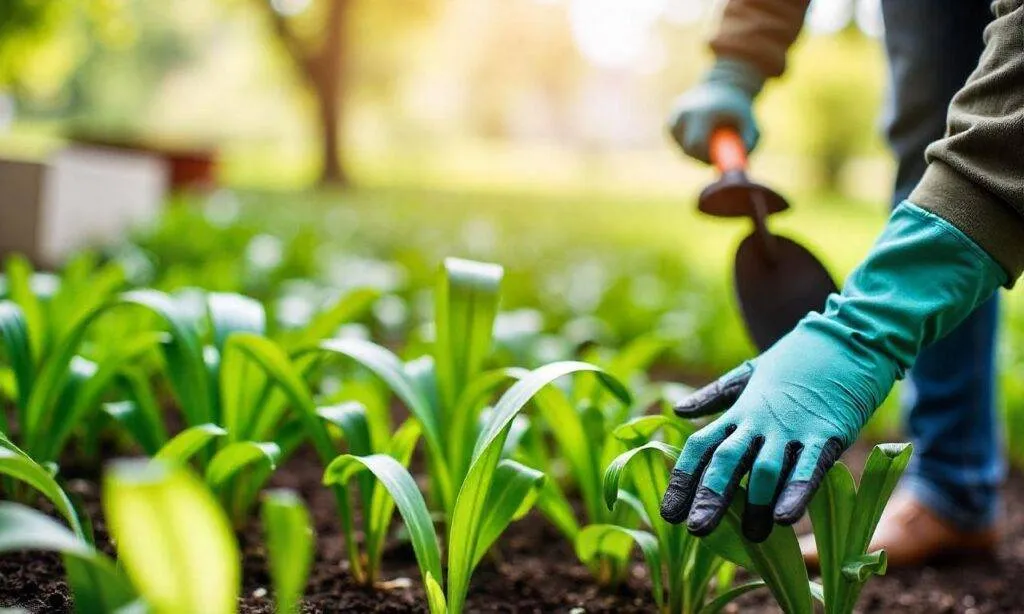
In an era where environmental sustainability is more critical than ever, eco-friendly gardening techniques have emerged as a powerful way to reduce our ecological footprint while nurturing vibrant, healthy plants. Whether you’re a seasoned gardener or a beginner, adopting eco-friendly gardening techniques can transform your outdoor space into a haven for biodiversity, conserve natural resources, and promote a healthier planet. From organic pest control to water-saving strategies, these methods not only benefit the environment but also enhance the quality of your garden. This article explores the eco-friendly gardening techniques that can help you cultivate a thriving garden while minimizing harm to the Earth.
Organic Pest Control: A Natural Approach to Garden Health
One of the most impactful aspects of eco-friendly gardening techniques is the use of organic pest control. Traditional pesticides often contain harmful chemicals that can seep into the soil, contaminate water sources, and affect beneficial insects like bees and butterflies. By shifting to eco-friendly gardening techniques, you can protect your garden’s ecosystem while effectively managing pests.
Natural Predators and Beneficial Insects
Introducing natural predators into your garden is a cornerstone of organic pest control. Insects like ladybugs, lacewings, and parasitic wasps feed on common garden pests such as aphids, mites, and caterpillars. For example, ladybugs are excellent for controlling aphid populations, while lacewings target small insects like spider mites. Planting flowering plants such as marigolds, dill, and fennel can attract these beneficial insects, creating a self-sustaining balance in your garden.
Neem Oil and Plant-Based Sprays
Another effective eco-friendly gardening technique is the use of neem oil, a natural pesticide derived from the seeds of the neem tree. This oil disrupts the life cycle of pests by interfering with their ability to feed and reproduce. It is also safe for humans, pets, and non-target organisms, making it an ideal choice for organic gardens. Similarly, plant-based sprays like garlic water or chili pepper solutions can repel insects without leaving toxic residues. These methods are not only eco-friendly but also cost-effective and easy to implement.
Companion Planting for Pest Management
Companion planting is a eco-friendly gardening technique that leverages the natural interactions between plants to deter pests. For instance, planting basil near tomatoes can repel aphids and improve the flavor of the tomatoes. Similarly, carrots and parsley grow well together, with parsley helping to attract beneficial insects that keep carrot flies at bay. This strategy reduces the need for chemical interventions and promotes a harmonious garden ecosystem.
Integrated Pest Management (IPM)
Integrated Pest Management (IPM) is a holistic approach that combines multiple eco-friendly gardening techniques to address pest issues. It involves monitoring pest populations, using mechanical controls like traps or barriers, and applying natural remedies only when necessary. IPM emphasizes preventive care and minimizes environmental impact, making it a sustainable long-term solution for pest management.
Water Conservation: Saving Resources in the Garden
Water is a precious resource, and eco-friendly gardening techniques can help you use it more efficiently. Traditional gardening often leads to excessive water waste, but with the right strategies, you can create a water-efficient garden that thrives without draining your local water supply.
Drip Irrigation Systems
A drip irrigation system is one of the most effective eco-friendly gardening techniques for conserving water. Unlike traditional sprinklers, which can waste up to 50% of water through evaporation and runoff, drip systems deliver water directly to the roots of plants through a network of tubes and emitters. This method ensures that every drop is used wisely, reducing water usage by up to 70% in some cases. Drip irrigation is also low-maintenance, making it a sustainable solution for gardeners of all levels.
Rainwater Harvesting
Rainwater harvesting is a eco-friendly gardening technique that captures and stores rainwater for later use. By installing barrels, cisterns, or rain gardens, you can collect water during rainfall and use it to irrigate your plants. This method not only reduces reliance on municipal water but also minimizes runoff, which can carry pollutants into nearby waterways. For example, rain barrels connected to downspouts can provide a steady supply of water for lawns and flower beds, especially during dry seasons.
Mulching for Moisture Retention
Mulching is a eco-friendly gardening technique that helps retain soil moisture and reduce the need for frequent watering. Organic mulches like straw, wood chips, or shredded leaves act as a protective layer, insulating the soil and preventing rapid evaporation. Additionally, mulch suppresses weeds, which compete with plants for water and nutrients. This technique is cost-effective, eco-friendly, and beneficial for soil health in the long run.
Choosing Drought-Resistant Plants
Selecting drought-resistant plants is another key eco-friendly gardening technique that reduces water consumption. Native plants and xeriscaping (landscaping with minimal water use) are excellent choices for arid regions or areas with water restrictions. These plants are adapted to local conditions, requiring less irrigation and reducing the need for artificial fertilizers. For example, sedum and lavender are low-water plants that thrive in dry climates, making them ideal for sustainable gardens.

Composting and Soil Health: Nurturing the Earth from Within
Healthy soil is the foundation of a thriving garden, and eco-friendly gardening techniques often begin with composting. By recycling organic waste into nutrient-rich compost, you can reduce landfill contributions, improve soil fertility, and minimize the need for synthetic fertilizers.
Creating a Compost Pile
Composting is a eco-friendly gardening technique that transforms kitchen scraps, yard waste, and other organic materials into a natural fertilizer. To start, choose a well-ventilated compost bin or create a compost pile in your backyard. Layer green materials (like fruit peels and grass clippings) with brown materials (such as dried leaves and paper) to ensure a balanced compost mix. Turning the pile regularly helps aerate the compost, accelerating decomposition and reducing odors.
Vermicomposting: Using Worms to Break Down Waste
Vermicomposting, or worm composting, is a eco-friendly gardening technique that uses earthworms to break down organic matter into nutrient-dense castings. This method is ideal for small spaces and can be done indoors with a worm bin. Worms consume kitchen waste and convert it into high-quality compost, enriching the soil with essential nutrients like nitrogen and phosphorus. This technique not only reduces food waste but also produces eco-friendly fertilizer that supports plant growth without harmful chemicals.
Improving Soil Structure with Organic Matter
Adding organic matter to the soil is a eco-friendly gardening technique that enhances its structure and fertility. Materials like compost, leaf mold, and aged manure improve soil aeration, water retention, and microbial activity. For example, compost adds vital nutrients to the soil, while leaf mold acts as a natural mulch that sustains soil moisture. By prioritizing organic amendments, you create a healthy environment for plant roots, reducing the need for chemical inputs.
Reducing Synthetic Fertilizers with Compost
Synthetic fertilizers can leach into groundwater and harm aquatic ecosystems, but eco-friendly gardening techniques like composting provide a greener alternative. Compost supplies nutrients gradually, promoting long-term soil health and sustainable plant growth. Unlike synthetic fertilizers, which often require frequent application, compost supports slow-release nutrients, reducing environmental impact and saving money on garden supplies.
Sustainable Plant Choices: Building a Resilient Garden
The plants you choose play a significant role in the success of your eco-friendly gardening techniques. By selecting species that are well-suited to your local climate and eco-friendly, you can create a garden that requires fewer resources, supports local wildlife, and reduces environmental harm.
Native Plants: Supporting Local Ecosystems
Native plants are a eco-friendly gardening technique that promotes biodiversity and reduces the need for water, fertilizers, and pesticides. These plants are adapted to the local climate, soil, and pests, making them low-maintenance and resilient. For instance, planting native grasses in a prairie region or shrubs in a forested area ensures that your garden blends seamlessly with the surrounding environment. This approach supports pollinators and enhances habitat for local wildlife, making it a sustainable choice.
Heirloom Varieties: Preserving Biodiversity
Heirloom plants are eco-friendly gardening techniques that emphasize biodiversity and genetic diversity. Unlike hybrid varieties, which are bred for uniformity and specific traits, heirloom plants are open-pollinated and can adapt to changing environmental conditions. By growing heirloom tomatoes, beans, or flowers, you contribute to preserving traditional plant varieties and supporting resilient ecosystems. These plants also taste better and have unique characteristics, making them a valuable addition to any sustainable garden.
Permaculture Principles: Designing with Nature
Permaculture is a eco-friendly gardening technique that mimics natural ecosystems to create self-sustaining gardens. Key principles include planting in guilds (grouping plants that benefit each other), using renewable resources, and designing for minimal waste. For example, planting fruit trees with companion species like nitrogen-fixing legumes can optimize space and nutrients. Permaculture also encourages regenerative practices, such as rotating crops and building soil health, to reduce environmental impact.
Drought-Resistant and Low-Maintenance Plants
Drought-resistant plants are an essential eco-friendly gardening technique for conserving water and reducing maintenance. Species like succulents, lavender, and yarrow are adapted to dry conditions and require less frequent watering. These plants also thrive in poor soil, reducing the need for artificial amendments. By choosing low-maintenance plants, you can minimize resource use and create a sustainable garden that flourishes with minimal intervention.
Conclusion
By embracing eco-friendly gardening techniques, you can create a garden that is both beautiful and environmentally responsible. From organic pest control and water conservation to composting and sustainable plant choices, these methods work together to minimize harm to the planet while maximizing plant health. Whether you’re reducing chemical use, saving water, or supporting local biodiversity, the eco-friendly gardening techniques outlined in this article provide practical, effective solutions for every gardener. Remember, a green garden doesn’t just benefit the environment—it also enhances your quality of life by providing fresh produce, reducing your carbon footprint, and creating a space that thrives in harmony with nature. Start small, experiment with new eco-friendly gardening techniques, and watch your garden grow stronger, greener, and more sustainable.
