
Essential Guide to Environmental Emergency Response Planning
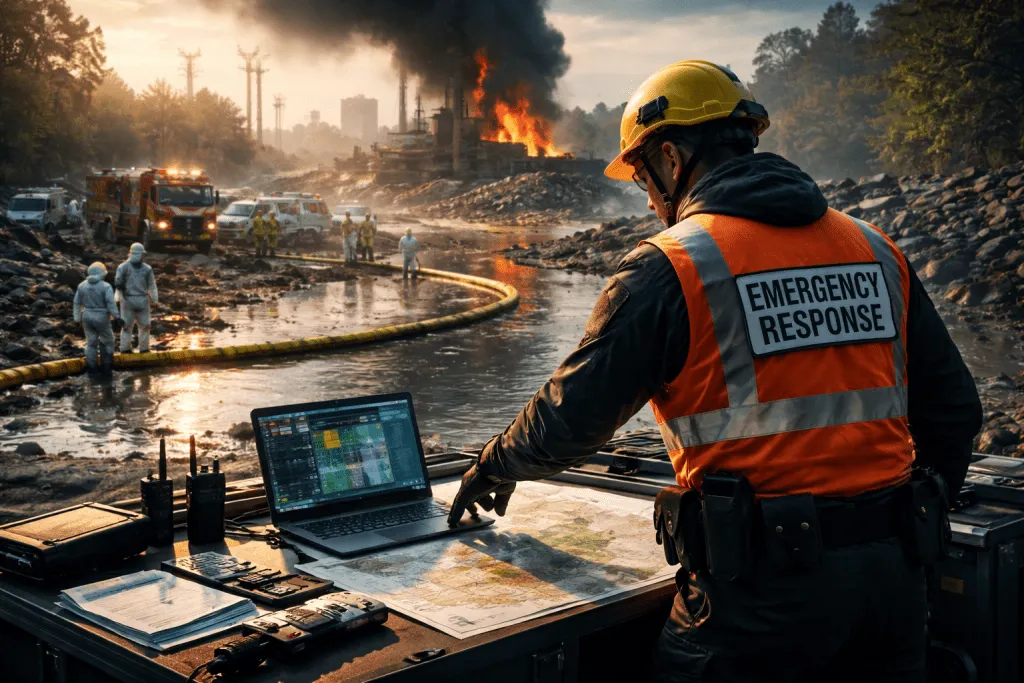
Essential Guide to Environmental Emergency Response Planning
Environmental emergencies can occur suddenly, bringing significant risks to human health, wildlife, and the environment. Whether caused by natural disasters, industrial accidents, or human error, environmental emergency response planning is essential to mitigate damage, protect communities, and ensure recovery. This guide offers an overview of the key components, best practices, and steps involved in creating a comprehensive emergency response plan that addresses environmental crises effectively.
What is Environmental Emergency Response Planning?
Environmental emergency response planning refers to the proactive steps organizations take to prepare for, respond to, and manage environmental crises. These events can include chemical spills, hazardous waste leaks, oil spills, and other environmental disasters that threaten ecosystems and human health. Having a solid plan in place ensures that the organization can act swiftly and efficiently to minimize harm and comply with legal and regulatory requirements.
Key Elements of an Effective Environmental Emergency Response Plan
An effective environmental emergency response plan should include several critical components to ensure a coordinated and rapid response. The plan must be tailored to the specific risks associated with an organization’s operations, environment, and geographic location. Here are the essential elements of a robust response plan:
Risk Assessment and Hazard Identification
Before any planning can begin, it is essential to conduct a thorough risk assessment. This involves identifying potential environmental hazards such as chemical storage areas, equipment failure points, or natural disaster risks. The goal is to understand which threats are most likely to impact the environment, employees, and surrounding communities.
By identifying these hazards, you can prioritize the allocation of resources, training, and protective measures that are critical to responding quickly during an emergency. Risk assessments should be updated regularly to account for new environmental or operational risks.
Clear Roles and Responsibilities
One of the cornerstones of effective environmental emergency response planning is establishing clear roles and responsibilities. Every individual involved in the response, from management to field personnel, should understand their specific duties and how to execute them during an emergency.
Key roles may include incident commanders, safety officers, communications officers, and environmental specialists. By assigning these responsibilities beforehand, you ensure that your team can operate effectively, without confusion or delays, when the situation demands swift action.
Emergency Procedures and Protocols
Detailed emergency procedures should be outlined for each type of environmental crisis, providing a roadmap for immediate action. For example, in the case of a hazardous chemical spill, the procedures should specify containment measures, cleanup protocols, and evacuation procedures.
These protocols must be clear, concise, and easy to follow, ensuring all team members are equipped to manage the situation effectively. They should also include communication protocols with local authorities, environmental agencies, and the public to ensure transparency and compliance with regulations.
Resource Allocation and Equipment Readiness
A successful environmental emergency response depends on the availability of resources and equipment. Ensuring that essential equipment, such as spill containment materials, protective gear, and communication devices, is readily accessible and in working condition is critical to mitigating damage.
This aspect of environmental emergency response planning includes not only equipment but also human resources. Organizations should have access to trained personnel or external experts who can assist in managing large-scale environmental disasters.
Communication and Reporting Systems
Effective communication is vital during an emergency. A well-structured communication plan ensures that all parties involved—internal teams, regulatory bodies, and affected communities—are informed promptly and accurately.
This plan should include clear lines of communication, such as emergency hotlines, radio systems, or digital platforms, which enable rapid sharing of information. Additionally, reporting systems must be in place to provide updates to regulatory agencies and the public, ensuring compliance with environmental regulations and helping to avoid misinformation.
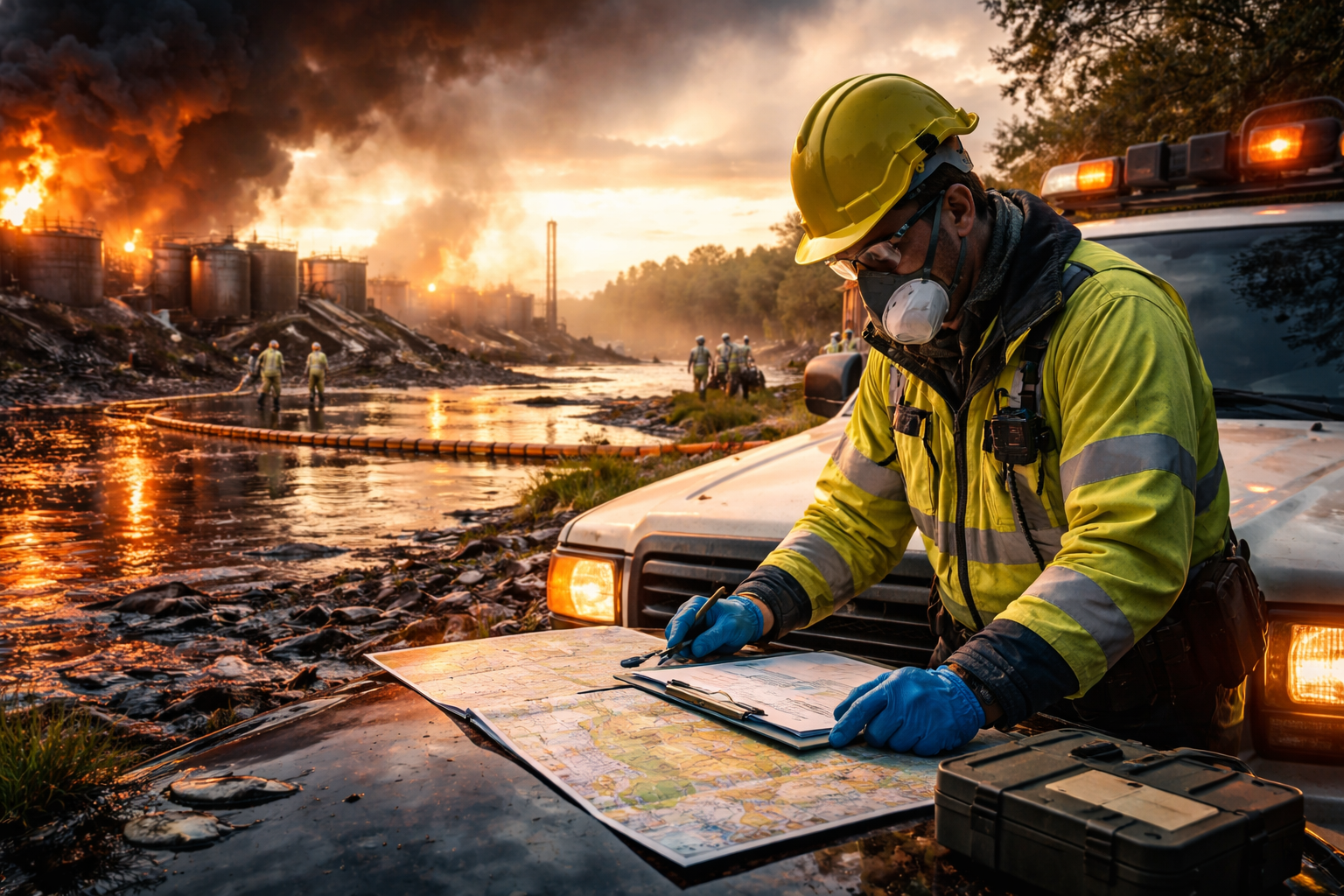
Best Practices for Environmental Emergency Response Planning
To ensure that your environmental emergency response plan is effective, following these best practices will help you manage crises more efficiently:
Regular Drills and Training
One of the most important aspects of preparing for an environmental emergency is regular training and drills. These exercises should simulate real-life emergency scenarios to help responders familiarize themselves with procedures and identify potential weaknesses in the plan. Drills can also help improve communication, coordination, and decision-making skills under pressure.
Collaboration with External Agencies
During an environmental emergency, external agencies such as local emergency response teams, environmental protection agencies, and other governmental bodies may become involved. Collaboration with these agencies ensures a unified and coordinated response to crises. Establishing relationships with these organizations before an emergency occurs allows for smoother coordination and access to additional resources when needed.
Continuous Improvement and Plan Updates
After every incident or drill, it is important to conduct a post-incident review to assess the effectiveness of the response and identify areas for improvement. Regular updates and refinements to the plan ensure that it remains current with new technologies, regulations, and emerging risks. This process of continuous improvement is crucial for adapting to the changing landscape of environmental threats.
The Role of Technology in Environmental Emergency Response
Technological advances are increasingly playing a significant role in environmental emergency response planning. Real-time monitoring systems, drones, GIS (Geographic Information System), and advanced modeling tools are helping organizations predict, detect, and manage environmental emergencies more efficiently.
For example, GIS technology can provide real-time data on environmental conditions, helping responders visualize the extent of a spill, contamination, or other environmental damage. Similarly, remote sensors can detect chemical leaks or temperature changes, alerting the team to potential threats before they escalate.
Conclusion
Environmental emergency response planning is essential for protecting the environment, public health, and organizational assets. A well-structured, regularly updated plan that includes risk assessments, clear roles, and efficient communication will enable organizations to respond quickly and minimize the impact of environmental emergencies. Through effective training, collaboration, and the integration of advanced technology, businesses can ensure that they are prepared for any environmental crisis that may arise.
FAQ
Q: What is environmental emergency response planning?
A: Environmental emergency response planning involves creating a strategy to effectively manage and mitigate the impact of environmental crises such as spills, leaks, and natural disasters.
Q: Why is risk assessment important in emergency response planning?
A: Risk assessment helps identify potential hazards and prioritize actions, resources, and training to address the most likely threats, ensuring a targeted and efficient response.
Q: How often should environmental emergency plans be updated?
A: Environmental emergency plans should be updated regularly, especially after incidents, drills, or when new risks, technologies, or regulations emerge.
Q: What role does technology play in environmental emergency response?
A: Technology, such as real-time monitoring systems and GIS, helps predict, detect, and manage environmental emergencies more efficiently by providing accurate data and improving decision-making.
Q: How can organizations ensure that their emergency response plans are effective?
A: Organizations should conduct regular drills, collaborate with external agencies, and review and update their plans based on real-life incidents and continuous feedback to ensure readiness and effectiveness.
