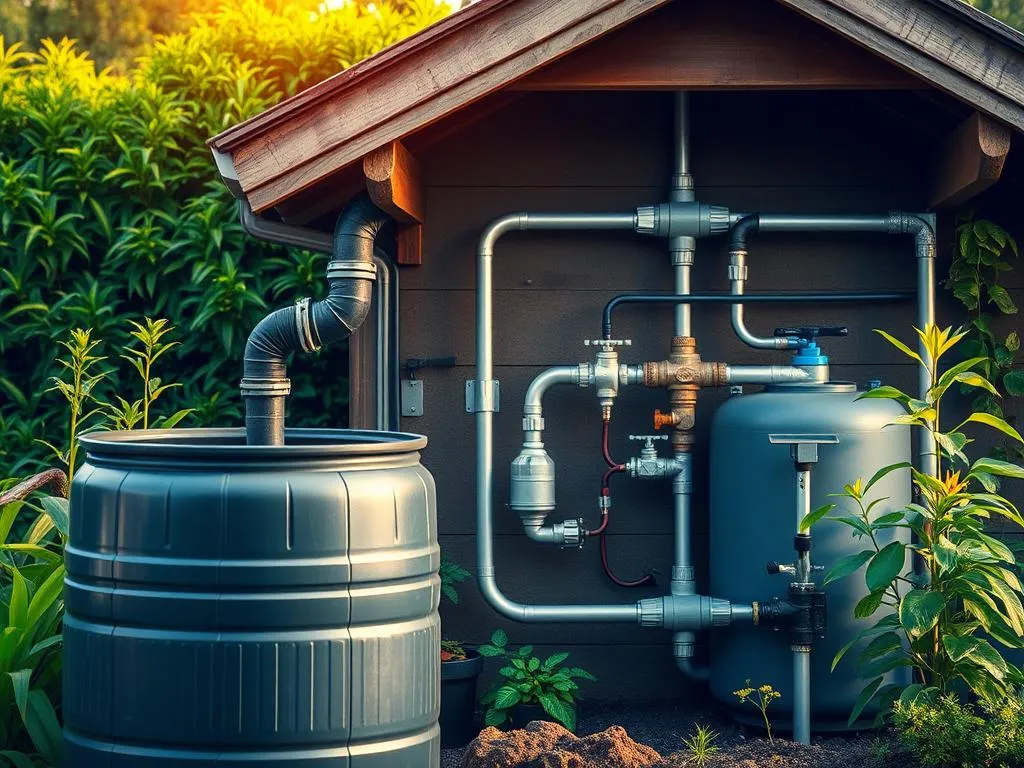
Learn how to build a rainwater collection system to conserve water and reduce your environmental impact. Easy steps to set up a sustainable water source.
Harnessing rain for everyday use is both eco-friendly and cost-effective. A rainwater collection system allows you to store and reuse water for tasks like irrigation or outdoor cleaning. It’s a simple yet impactful way to reduce your environmental footprint.
This system typically includes components like filters, barrels, and overflow spouts. Filters ensure the water stays clean, while barrels store it for later use. Proper placement and drainage are key to making it efficient.
Our guide breaks down the process into easy steps, whether you’re a beginner or experienced. You’ll learn how to set up a system that’s safe, effective, and tailored to your needs. Let’s get started on this rewarding project!
Introduction to Rainwater Collection
Rainwater harvesting is a smart way to conserve water and reduce utility bills. It’s a simple yet effective method to make the most of natural resources. By collecting and storing rainwater, we can use it for various household and outdoor tasks.
What is a Rainwater Collection System?
A rainwater collection system captures runoff from roofs and directs it into storage units like barrels or cisterns. These systems can range from basic setups to advanced designs with filtration components. Proper measurements, such as inch precision in downspouts, ensure efficient water flow.
Attention to roof materials and gutter design plays a key role in the system’s performance. Over time, well-maintained systems provide a reliable water source for gardens and other needs.
Why We Choose to Collect Rainwater
Collecting rainwater is especially beneficial in water-scarce areas. It offers a sustainable way to maintain gardens and reduce reliance on municipal water supplies. This eco-friendly approach helps conserve resources and lowers household expenses.
By focusing on proper installation and maintenance, we can maximize the system’s efficiency. Rainwater harvesting is a practical and environmentally conscious choice for homeowners.
Understanding the Basics: How to Build a Rainwater Collection System
Creating a reliable water source starts with understanding the essentials. A well-designed setup requires careful planning and the right components. We’ll explore the key elements that make a system efficient and effective for your home and garden.
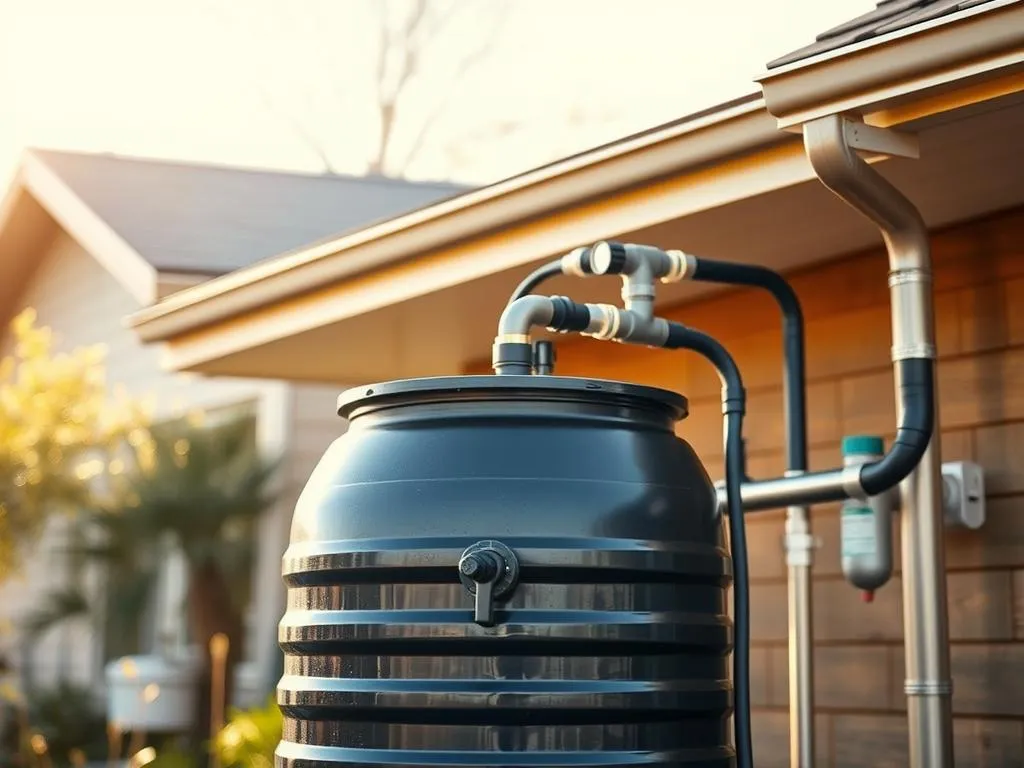
Key Components and Design Considerations
Every system relies on essential parts like gutters, rain barrels, and connecting pipes. Gutters direct water from the roof into storage units, while barrels hold it for later use. Proper placement ensures every drop is captured efficiently.
Choosing the right rain barrel size is crucial. A 50-gallon barrel works well for small gardens, while larger projects may require 100-gallon or more. Accurate measurements ensure the structure is level and the system functions smoothly.
Integrating Roof, Gutters, and Storage Effectively
Successful projects integrate roof design, gutter placement, and storage seamlessly. For example, homeowners often place barrels near downspouts for easy access. This setup ensures water flows directly into storage without waste.
Balancing affordability and durability is key. High-quality materials like UV-resistant barrels last longer and perform better. Proper maintenance keeps the system running efficiently for years.
| Barrel Size (Gallons) | Best Use |
|---|---|
| 50 | Small gardens or potted plants |
| 100 | Medium-sized gardens |
| 200+ | Large landscapes or irrigation |
Real-world examples show how homeowners have successfully integrated rain barrels into their landscapes. These projects highlight the importance of proper plant care and efficient water use. With the right design, your system can be both functional and aesthetically pleasing.
Essential Materials, Tools, and Safety Considerations
Choosing the right materials is the foundation of a durable and efficient setup. Quality components ensure the system withstands weather changes and remains functional for years. We’ll explore the best options for debris filters, pipes, and wood, along with safety measures to protect your family.
Selecting the Right Materials for Longevity
Durable materials are key to a long-lasting system. Corrosion-resistant pipes and sturdy wood frames ensure the structure remains intact over time. Debris filters are essential to keep water clean and prevent clogs in the system.
When selecting components, consider their ability to withstand environmental factors. For example, UV-resistant barrels and rust-proof valves are excellent choices. Proper design and level installation also contribute to the system’s efficiency and durability.
Ensuring Structural Safety and Child Protection
Safety is a top priority when setting up any system. Secure rain barrels to prevent tipping, especially in areas with children. Accessible valve placement and robust design help avoid accidents and ensure easy maintenance.
Using concrete for setting posts adds stability, while clear gutters and secure connections keep the system safe throughout the year. These precautions protect both the system and your family, making it a reliable addition to your home.
Step-by-Step Assembly Guide
Assembling a functional setup requires careful attention to detail and precise measurements. We’ll walk you through each step to ensure your system is efficient and durable. From constructing the frame to connecting the storage barrels, every detail matters.
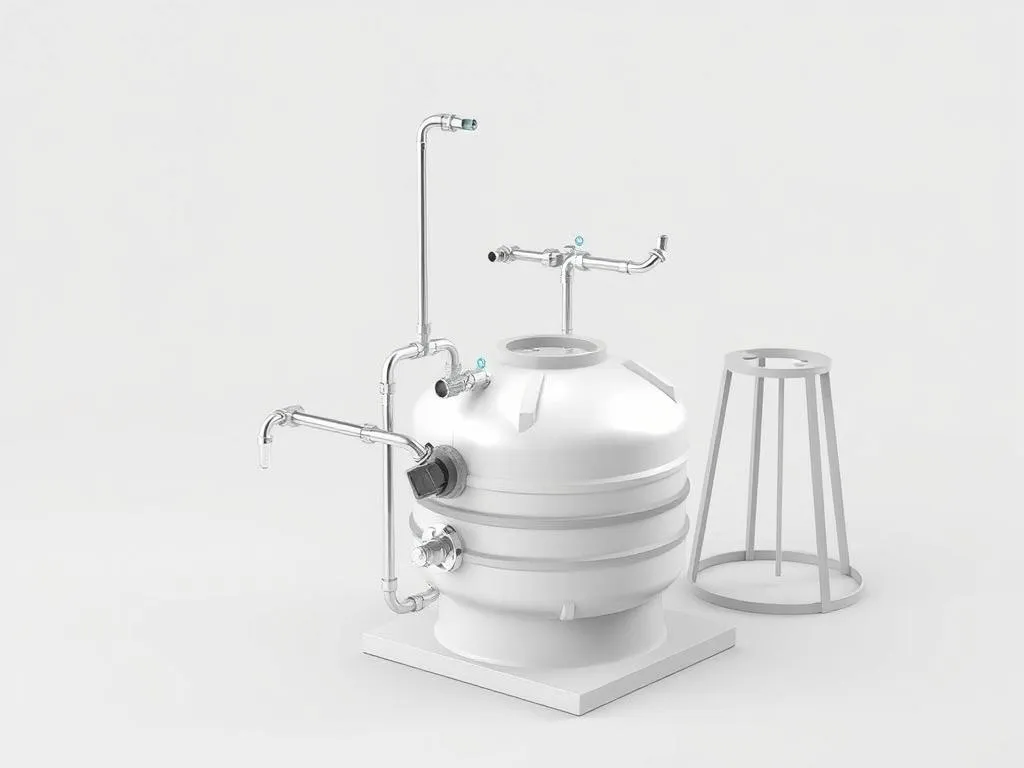
Constructing the Frame and Installing the Roofing
Start by preparing the site and setting sturdy posts. Use metal beams for added durability and ensure the structure is level. This foundation supports the entire system and prevents future issues.
Next, install the roofing with proper overhang measurements. Corrugated asphalt is a great choice for its strength and weather resistance. Double-check every connection to avoid leaks during an inch rain.
Setting Up Gutters, Downspouts, and Storage Barrels
Attach gutters to the roof edge, ensuring they slope slightly for water flow. Integrated filters keep debris out, allowing only clean water into the system. This step is crucial for maintaining water quality.
Connect downspouts to the gutters using PVC pipes. Leave extra space for expansion and check each connection for leaks. Metal components are ideal for durability, especially in areas with a lot of rainfall.
Finally, position the storage barrels near the downspouts. Secure them to prevent tipping and ensure they’re level. This setup maximizes water capture and makes maintenance easier.
Maintenance, Efficiency, and Environmental Benefits
Keeping your system in top shape ensures long-term efficiency and sustainability. Regular maintenance not only extends its life but also maximizes water collection and usage. Let’s explore how to maintain your setup and the positive impact it has on the environment.
Routine Cleaning and Debris Management
Clearing debris from gutters and downspouts is essential for smooth water flow. Leaves and dirt can clog holes, reducing efficiency. Regular inspections help identify and remove blockages before they become a problem.
Check spigots and connections periodically to ensure they’re functioning properly. A well-maintained system prevents leaks and ensures every drop is captured. Proper care keeps your catchment system running smoothly for years.
Periodic Tank Inspections and Upkeep
Inspect your tank for cracks or damage at least twice a year. Small issues can escalate if left unchecked, leading to water loss or contamination. Cleaning the tank interior removes sediment buildup, maintaining water quality.
Ensure the tank is securely covered to prevent debris or pests from entering. High-quality materials like UV-resistant plastics or coated metals enhance durability. Regular upkeep ensures your system remains reliable and efficient.
Environmental Benefits of a Well-Maintained System
A properly maintained system reduces water waste and supports sustainable practices. Collected water can be used for landscaping, reducing reliance on municipal supplies. This eco-friendly approach conserves resources and lowers utility bills.
By investing time in maintenance, you contribute to a greener environment. Thanks to regular care, your system becomes a long-term solution for sustainable water usage. It’s a small effort with significant rewards for both your home and the planet.
| Maintenance Task | Frequency |
|---|---|
| Clean gutters and downspouts | Every 3 months |
| Inspect tank for damage | Twice a year |
| Check spigots and connections | Every 6 months |
| Remove sediment from tank | Annually |
Following these maintenance tips ensures your system remains efficient and eco-friendly. Regular care not only extends its life but also maximizes its benefits. A well-maintained setup is a step toward a more sustainable future.
Conclusion
Implementing a sustainable water solution can transform your home and landscape. By following the steps outlined, you can create an efficient and reliable system. From attaching gutters to installing a pump, each piece plays a vital role in ensuring success.
This setup not only saves money but also benefits the environment. Properly maintained, it becomes a versatile tool for irrigation and outdoor care. Ensuring every component, from the top elbow to the storage tank, is secure guarantees long-term performance.
For additional guidance, check out our supplementary video. It provides visual tips and maintenance advice to keep your catchment system running smoothly. Start your project today and enjoy the rewards of a sustainable water source.
Want to start your rainwater collection system? Explore expert guides at EcoRescueZone.com and make a sustainable change today!
FAQ
What is a rainwater collection system?
It’s a setup that captures and stores rain from surfaces like roofs. We use it to save water for gardens, cleaning, or other non-drinking purposes.
Why should we collect rainwater?
It’s eco-friendly, reduces water bills, and provides a sustainable water source for plants and landscaping. Plus, it helps manage stormwater runoff.
What are the key components needed?
You’ll need a roof, gutters, downspouts, a filter, a storage tank or barrel, and a spigot for easy access to the water.
How do we integrate the roof and gutters?
Ensure your roof is clean and sloped toward the gutters. Attach the gutters to direct water into the downspout, which connects to your storage tank.
What materials work best for longevity?
Use durable materials like UV-resistant plastic barrels, metal gutters, and stainless steel fittings to ensure your system lasts for years.
How do we ensure safety, especially for kids?
Secure the tank with a sturdy frame, add a childproof lid, and keep the spigot out of reach to prevent accidents.
How do we set up the storage barrel?
Place it on a level, stable surface. Connect the downspout to the barrel using an elbow or flexible pipe, and install a filter to keep debris out.
How often should we clean the system?
Check and clean the gutters, filter, and tank every few months to prevent clogs and maintain water quality.
Can we use the collected water for drinking?
No, it’s not safe for drinking without proper filtration and treatment. Use it for irrigation, cleaning, or other non-potable purposes.
What are the environmental benefits?
It reduces demand on municipal water supplies, minimizes runoff pollution, and conserves water resources, making it a win for the planet.