
How to Build an Eco-Friendly Garden: Simple Steps
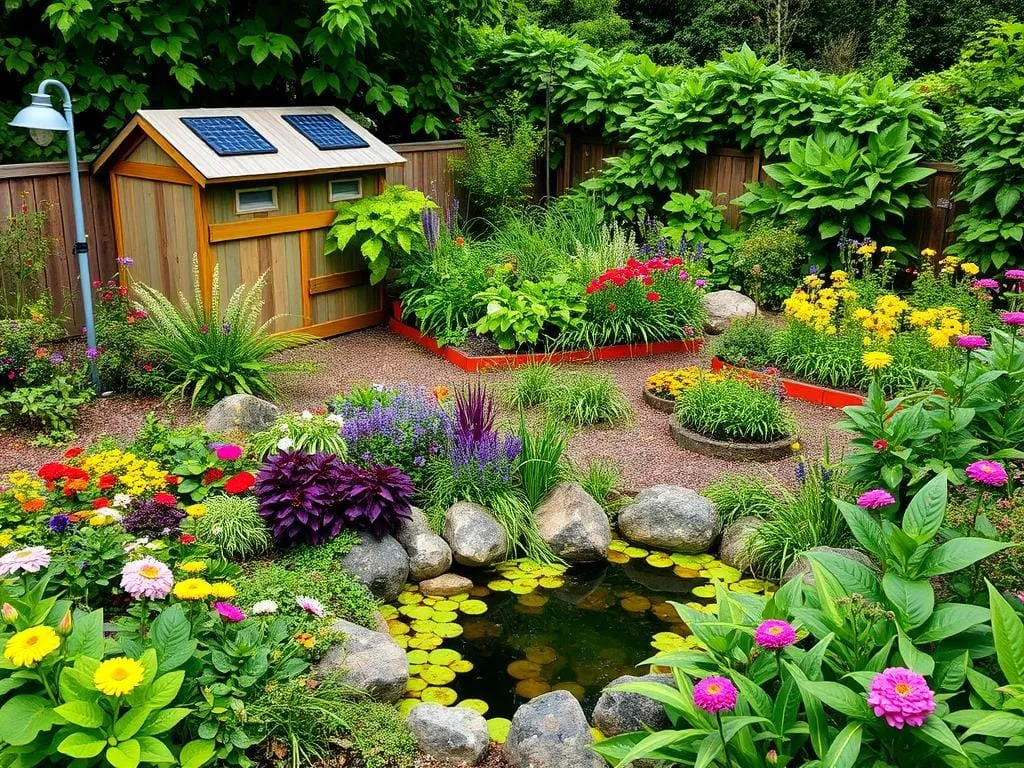
Discover how to build an eco-friendly garden with sustainable methods, reducing waste, conserving resources, and creating a greener, healthier space.
Ever thought your garden could do more than just look good? What if it could help the planet too? Green gardening is a way to make a difference, and it’s easy and rewarding.
By choosing eco-friendly gardening, you make your garden more than just pretty. It helps the planet too. Using native plants and organic materials is key. This way, we support nature, save resources, and cut down on pollution.
Sustainable gardening shows us how to create spaces that work with nature. Let’s explore how to make our gardens beautiful and good for the environment.
How to Build an Eco-Friendly Garden
Building an eco-friendly garden is a rewarding way to promote sustainability, conserve resources, and create a haven for wildlife. Here’s a step-by-step guide:
1. Plan Your Garden
Start by designing a garden that aligns with the natural environment. Choose a location that gets sufficient sunlight for your plants while considering shaded areas for species that prefer less light.
Use the natural contours of the land to prevent water runoff and soil erosion. Opt for native plants as they adapt better to the local soil and climate, requiring less maintenance and supporting the local ecosystem.
2. Prepare the Soil
Prepare the soil by testing its pH and nutrient levels to determine its needs. Enrich the soil with organic matter such as compost or manure to boost fertility.
Avoid synthetic fertilizers, which can pollute the soil and groundwater, and choose natural alternatives like organic fertilizers or compost tea to nourish your plants sustainably.
3. Practice Water Conservation
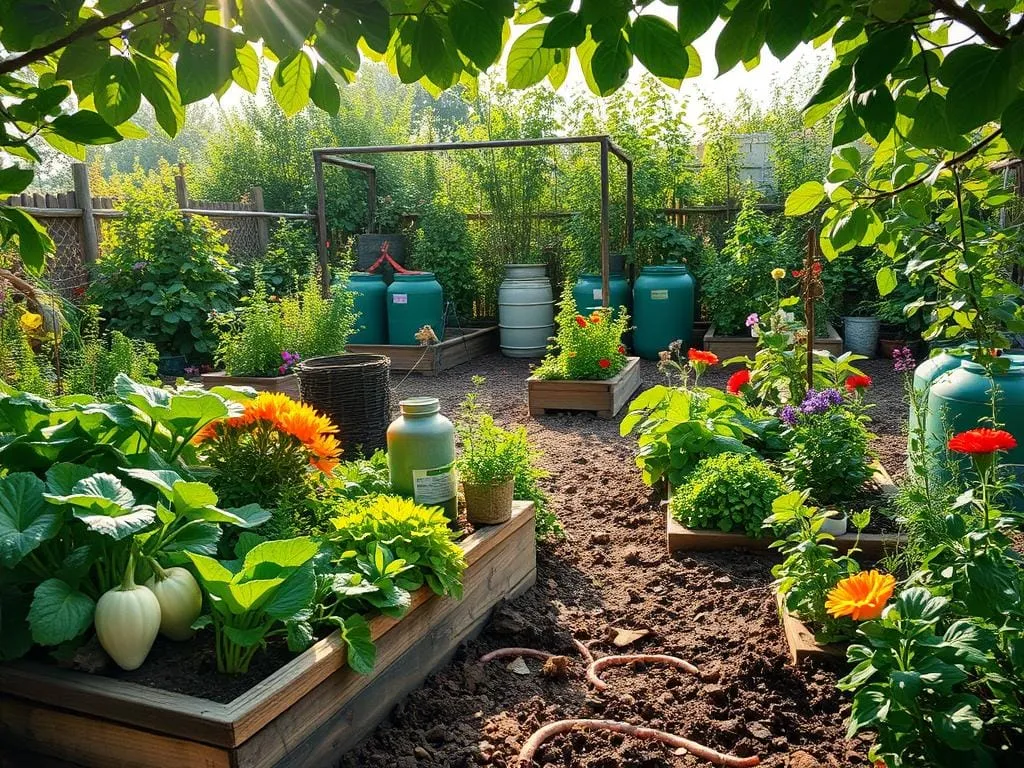
Water conservation is key to an eco-friendly garden. Install a rainwater harvesting system to collect rainwater for irrigation. Apply organic mulch around your plants to retain soil moisture and reduce evaporation.
Use efficient irrigation systems like drip irrigation or soaker hoses to minimize water wastage and target water delivery to the roots.
4. Choose Eco-Friendly Materials
Incorporate sustainable materials into your garden. Use reclaimed wood, recycled bricks, or stones for pathways and borders.
Avoid chemically treated materials, as they may leach harmful substances into the soil. By repurposing and recycling, you can reduce waste while adding unique touches to your garden.
5. Encourage Biodiversity
Foster biodiversity by planting a variety of species that attract pollinators like bees, butterflies, and hummingbirds.
Create habitats for wildlife by adding birdhouses, bat boxes, or insect hotels. Additionally, practice companion planting, where certain plants are grown together to deter pests or enhance soil quality, benefiting the overall ecosystem.
6. Minimize Waste
Reduce garden waste by composting kitchen scraps and garden trimmings to create nutrient-rich compost. Reuse materials like old pots, containers, or tools creatively instead of discarding them. This not only minimizes waste but also saves money and resources while enhancing the garden’s sustainability.
7. Avoid Harmful Chemicals
Use natural methods to control pests and weeds in your garden. Introduce beneficial insects such as ladybugs or use organic remedies like neem oil and diatomaceous earth.
For weeds, opt for manual removal or natural suppressants like newspaper or straw, ensuring the garden remains chemical-free and safe for the environment.
8. Opt for Perennials
Choose perennial plants that grow back year after year, reducing the need for frequent replanting and conserving resources.
Perennials often require less water and maintenance compared to annuals, making them an excellent choice for a low-maintenance, eco-friendly garden that thrives sustainably.
9. Promote Carbon Sequestration
Support carbon sequestration by planting trees and shrubs, which absorb carbon dioxide and provide shade to reduce energy use for cooling.
Use cover crops such as clover or vetch to improve soil health while storing carbon. These practices contribute to reducing your carbon footprint and improving the garden’s environmental impact.
10. Educate and Engage
Educate yourself and others about sustainable gardening practices. Share your knowledge with friends, neighbors, or community groups, and consider hosting workshops or garden tours to inspire eco-friendly practices. Engaging others can create a collective effort to support sustainability and protect the environment.
Understanding the Principles of Eco-Friendly Gardening
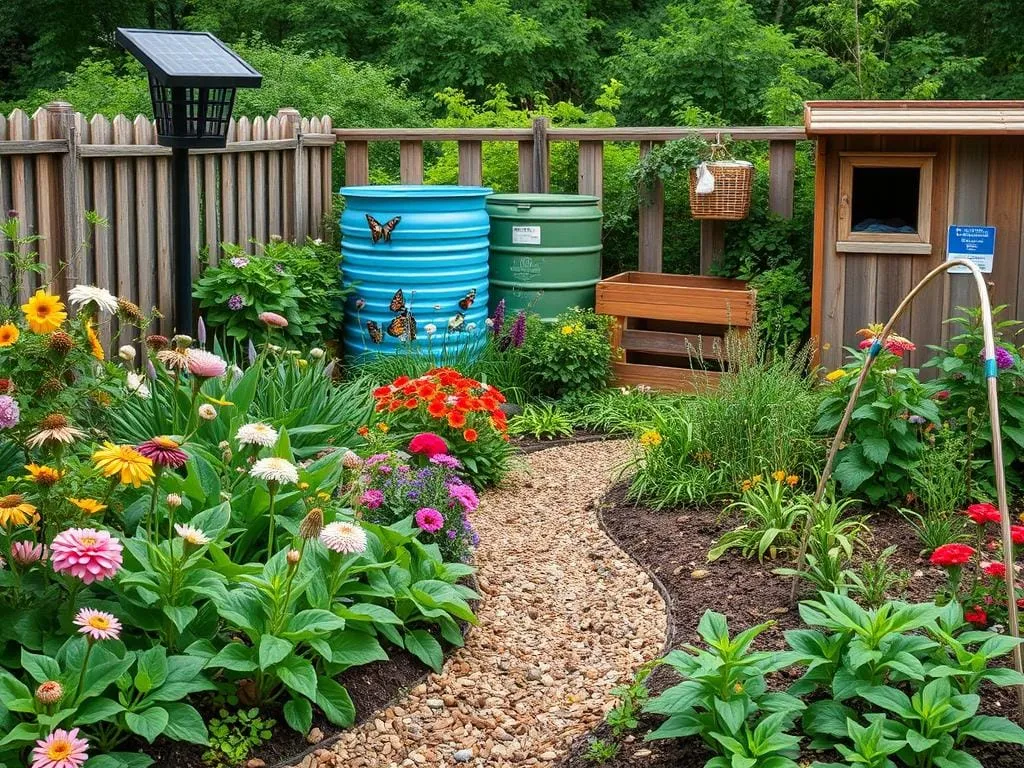
Embracing eco-friendly garden practices is key for sustainable landscaping. It helps us create gardens that grow well without harming the planet. We focus on caring for the soil, using water wisely, and supporting many different plants.
What is Eco-Friendly Gardening?
Eco-friendly gardening, or ecological gardening, grows plants in a way that keeps natural resources strong. The University of California’s Cooperative Extension says it’s about using green gardening methods that work with nature. This method cuts down on waste, uses fewer chemicals, and saves water.
The Importance of Sustainability in Gardening
Sustainable landscaping is crucial to make sure our gardens don’t harm the Earth. The Environmental Protection Agency (EPA) says eco-friendly gardening makes our surroundings healthier. It reduces pollution and saves local plants and animals.
A study from the Sustainable Sites Initiative (SITES) shows how these practices can turn city areas into lush green spaces. By learning and using these basic principles, we can help make our world greener, one backyard at a time.
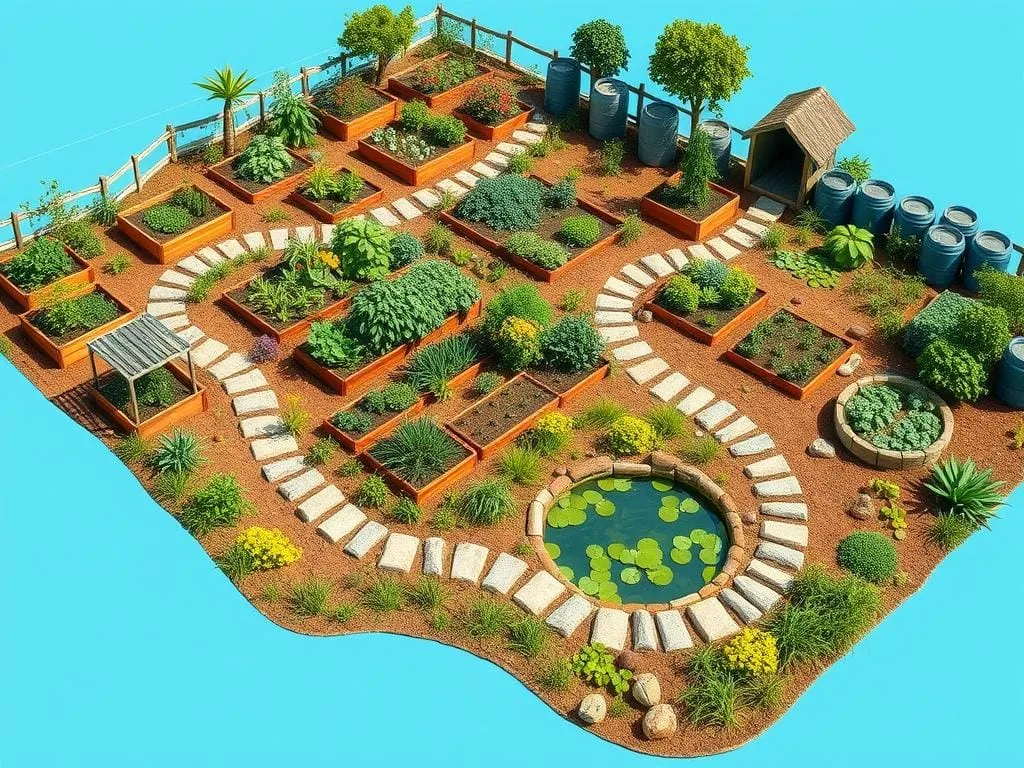
Planning Your Eco-Friendly Garden Layout
Starting an eco-friendly garden means planning carefully. You need to think about how it will work and be good for the planet. We’ll look at picking the right spot and designing with green principles in mind.
Choosing the Right Location
Finding the best spot for your garden is key. You need to think about sunlight, soil, and water. Your garden should get lots of sunlight for plants to grow well.
The National Wildlife Federation says check the soil too. It should be rich in nutrients and drain well. Also, having water nearby helps save on watering.
Designing with Eco-Friendly Principles
Using green design in your garden is vital. Permaculture is a good way to blend your garden with nature. It means having different plants that help local animals and using natural materials for things like paths.
The American Society of Landscape Architects says using native plants is smart. It helps nature and cuts down on harmful chemicals. Good planning leads to a garden that’s good for the planet and thrives with little harm.
Selecting Native Plants for Your Garden
Choosing native plants is key to a sustainable and thriving garden. These plants fit well with our local climate and soil. They offer many benefits for both us and the environment. Let’s see how using local plants in our gardens leads to success.
The Benefits of Native Plants
Native plants are great for gardeners wanting a friendly garden. They need less water because they match our local rainfall. This helps save water. They also fight off pests and diseases, cutting down on harmful chemicals.
By using native plants, we help local wildlife like bees and butterflies. These plants give food and shelter, boosting our yard’s biodiversity. Choosing native plants makes our gardens vibrant ecosystems.
Best Native Plants for Your Region
Finding the right native plants depends on your area’s climate and soil. Here’s a list of top native plants from the Native Plant Society and the Lady Bird Johnson Wildflower Center.
| Region | Native Plants |
|---|---|
| Northeast | Eastern Red Columbine, New England Aster, White Wood Aster |
| Southeast | Sweetshrub, Eastern Redbud, Purple Coneflower |
| Midwest | Prairie Dropseed, Black-eyed Susan, Swamp Milkweed |
| Southwest | Turk’s Cap, Mexican Hat, Texas Sage |
| West | California Poppy, Blue Flax, Sticky Monkey Flower |
Adding these native plants to our gardens makes them more beautiful. It also supports eco-friendly gardening. Let’s celebrate our local plants and enjoy a thriving, green garden.
Implementing Water Conservation Techniques
Good gardening is more than just planting and caring for plants. It also means using water-saving strategies. By collecting rainwater and using efficient watering methods, we can keep our gardens healthy for a long time.
Rainwater Harvesting
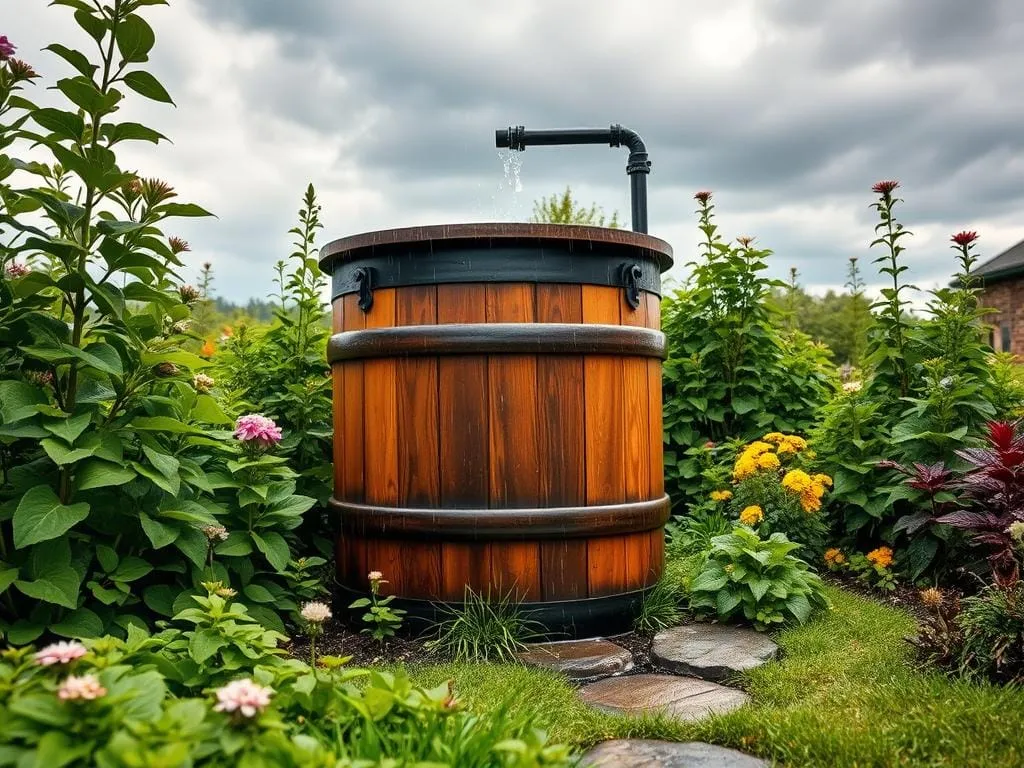
Rainwater harvesting is a smart and green way to collect and store rainwater for our gardens. The EPA’s WaterSense program says using rainwater systems cuts down on tap water use. It also helps with water-saving gardening and efficient watering.
By using a rain barrel or a more advanced system, we can catch rainwater from rooftops. This water is ready to use when it’s dry outside.
Drip Irrigation Systems
Drip irrigation systems are key for saving water. They send water straight to the roots, cutting down on evaporation and runoff. This means each plant gets just the right amount of water, which is great for healthy plants in water-saving gardens.
Experts say drip irrigation is a top choice for saving water. It can be set up to fit any garden layout.
By using these techniques, we help our gardens grow sustainably. We also help the environment by saving water.
Using Organic and Sustainable Materials
To make our garden thrive and be eco-friendly, we need to use organic and sustainable materials. This method feeds the soil and protects the environment by cutting down on chemicals. Let’s explore two key areas: organic fertilizers and compost, and sustainable mulching options.
Organic Fertilizers and Compost
Organic gardening gets a big boost from organic fertilizers and compost. Unlike synthetic chemicals, these natural fertilizers add nutrients from the earth. Composting turns waste into soil that’s full of life and nutrients.
The United States Composting Council says composting is great for both the environment and our soil. It turns waste into compost that feeds our gardens. This is a win-win for our planet and our plants.
Sustainable Mulching Options
Mulching is key in organic gardening. It keeps the soil moist, stops weeds, and controls temperature. Using materials like straw, grass clippings, and wood chips helps the soil over time.
The Soil Science Society of America highlights mulching’s importance in gardening. It helps us avoid harmful chemicals and makes the soil richer. This keeps our garden eco-friendly.
| Material | Benefits | Sources |
|---|---|---|
| Compost | Improves soil structure, adds nutrients | Yard waste, kitchen scraps |
| Organic Fertilizers | Provides essential nutrients without chemicals | Plant and animal residues |
| Straw Mulch | Conserves moisture, prevents weed growth | Harvested straw |
| Wood Chips | Enhances soil fertility, regulates soil temperature | Tree trimmings |
By using organic fertilizers, compost, and sustainable mulching, we create a healthier garden. These methods improve soil health and support the ecosystem. They help our plants and the planet thrive together.
Attracting Beneficial Insects and Pollinators to Your Garden
Starting a vibrant garden means drawing in beneficial insects and pollinators. These are key for keeping plants healthy and strong. By making our gardens bee-friendly, we help nature thrive.
First, choose a mix of native flowers to attract pollinators. The Xerces Society says native plants fit local weather and soil best. They also need less water and care.
Beneficial insects like ladybugs and lacewings fight pests naturally. Our gardens can become self-sustaining by hosting these helpers.
The USDA’s Agricultural Research Service stresses the need for diverse habitats. Adding plants, water, and nesting spots supports many beneficial insects and pollinators.
By doing this, we make our gardens not just pretty but also healthy. Whether it’s native plants or habitats, we help our gardens support beneficial insects and pollinators.
| Benefits | Native Plants | Beneficial Insects | Pollinators |
|---|---|---|---|
| Environmental Adaptability | High | Moderate | High |
| Natural Pest Control | Moderate | High | Moderate |
| Pollination Efficiency | Moderate | Low | High |
Creating a Wildlife-Friendly Habitat
Turning our gardens into wildlife gardens makes them more beautiful and diverse. It also helps many species that need these places. By using certain strategies, we can make our gardens safe for birds and other animals.
Providing Food Sources
One key part of creating a wildlife garden is to offer enough food. Planting native plants is a great idea. They give birds, butterflies, and insects the food they need.
The National Audubon Society suggests adding shrubs that grow berries. These berries are very nutritious. Also, flowers that attract pollinators, like coneflowers and bee balm, are important. They give pollinators the food they need to survive.
Building Shelters and Nesting Sites
It’s important to create safe places for garden wildlife. Nesting boxes, thick shrubs, and brush piles are great for birds and small mammals. The National Wildlife Federation says using native trees and plants is key.
These plants, like oak and pine, naturally offer shelter and materials for nests. This helps birds and small mammals stay safe and healthy.
Minimizing Pesticides and Chemical Use
Using natural pest control is key for an eco-friendly garden. Cutting down or avoiding pesticides and chemicals boosts garden health and diversity. Companion planting is a great way to keep pests away. For example, marigolds fight nematodes, and basil keeps aphids off.
Attracting natural predators is also smart. Ladybugs, birds, and spiders help control pests. By offering them homes, like birdhouses and insect hotels, we help our garden defend itself.
The Bio-Integral Resource Center stresses the need to understand your garden’s ecosystem. They say eco-friendly pest management is good for the environment and our plants. It makes them healthier.
The University of California’s Integrated Pest Management (IPM) also backs using pesticide alternatives. They suggest biological controls and cultural strategies. This includes rotating crops, keeping the garden clean, and using pheromone traps. These methods cut down on chemical use, making our gardens safer and healthier.
| Natural Pest Control Methods | Benefits |
|---|---|
| Companion Planting | Repels pests through natural plant alliances |
| Encouraging Natural Predators | Reduces pest population without chemicals |
| Biological Controls | Introduces beneficial organisms to manage pests |
| Cultural Strategies | Maintains garden health through proper practices like crop rotation |
Using these pesticide alternatives helps create a sustainable eco-friendly pest management system. It lets us grow a strong, healthy garden without harming the environment.
Conclusion
Starting an eco-friendly garden is rewarding for our planet and for us. We learn the basics of eco-friendly gardening and plan our garden well. This way, we create a place where plants and animals can thrive.
Choosing native plants and saving water are key. Using organic materials and avoiding harmful chemicals helps too. These actions make our gardens healthier and support the environment.
By doing this, we not only improve our gardens but also help the planet. The National Gardening Association says these steps bring big benefits to us and the environment.
Even small actions can have a big impact. A study by the American Horticultural Society shows that sustainable gardening boosts biodiversity and soil health. So, let’s keep learning and using these tips.
Together, we can make beautiful, eco-friendly gardens. These gardens will not only uplift us but also help our planet. Every little bit we do makes a big difference.
Want to go green with your garden? Visit ecorescuezone.com for expert advice on how to build an eco-friendly garden and make a positive impact today!
FAQ
What is Eco-Friendly Gardening?
Eco-friendly gardening means growing plants in a way that doesn’t harm the environment. It uses methods that save water, improve soil, and support many different species.
What are the benefits of adopting sustainable gardening practices?
Sustainable gardening saves resources, cuts down on pollution, and helps nature. It also makes your garden healthier and easier to care for.
How do I choose the right location for my garden?
Pick a spot that gets enough sun, has good soil, and is close to water. This helps your plants grow well and need less care.
Why should I use native plants in my garden?
Native plants fit well with the local weather and soil. They need less water and fewer pesticides. They also help local animals, making your garden a better place for nature.
What is rainwater harvesting, and how can I implement it?
Rainwater harvesting collects and stores rainwater for your garden. You can start by using rain barrels or bigger systems connected to your gutters.
What are the benefits of drip irrigation systems?
Drip irrigation sends water right to the roots, saving water and preventing waste. It’s a smart way to use water and keep your plants healthy.
What types of organic fertilizers are best for gardens?
Compost, manure, and bone meal are great for gardens. They make the soil better, add nutrients, and help plants grow strong.
How can I attract beneficial insects and pollinators to my garden?
Plant different flowers, including native ones. Also, add places for insects to live, water, and shelter. This will attract helpful bugs and bees to your garden.
What should I consider when creating a wildlife-friendly habitat?
Use native plants for food and add features like shrubs and logs for shelter. Nesting boxes are also good for wildlife. This turns your garden into a home for many animals.
How can I reduce the use of pesticides in my garden?
Use natural ways to fight pests, like planting together and welcoming beneficial bugs. Organic solutions and Integrated Pest Management (IPM) are also good choices. They help keep your garden safe and healthy.
