
How to Reduce Plastic Use at Home and Save the Planet
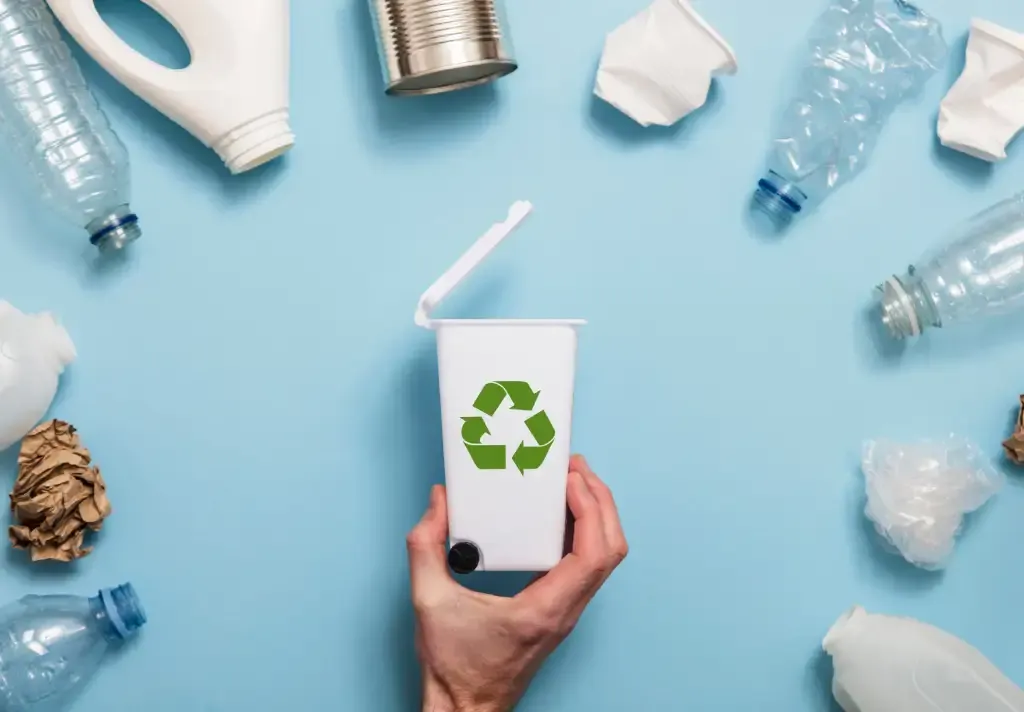
Learn how to reduce plastic use at home with 13 simple tips. Discover easy ways to make eco-friendly changes and create a more sustainable lifestyle.
Reducing plastic use at home is not just a trendy idea but a crucial step toward a sustainable future. As plastic waste continues to pile up in landfills and oceans, taking responsibility for our consumption habits can create a significant positive impact.
But where do you start? The good news is that reducing plastic use at home is easier than you think, and it doesn’t require a complete lifestyle overhaul.
With a few mindful changes, you can create a greener, healthier environment for your family and contribute to a cleaner planet.
This guide will walk you through practical and actionable steps to reduce plastic use at home. From simple swaps like reusable bags to larger commitments like avoiding microplastics, we’ve got everything covered.
These changes are not only eco-friendly but also cost-effective in the long run. Ready to take action? Let’s dive into the details and learn how to make your home a plastic-free sanctuary.
By the end of this article, you’ll feel empowered to make sustainable choices that are easy to integrate into your daily routine. Let’s explore how to reduce plastic use at home in a way that feels natural and rewarding!
How to Reduce Plastic Use at Home
Making your home more sustainable doesn’t mean sacrificing convenience. It’s about making smarter choices and being mindful of your habits. Below are 13 effective ways to reduce plastic use at home, complete with tips and actionable ideas.
1. Use Reusable Bags

Plastic bags are one of the most common pollutants, but swapping them for reusable bags can make a huge difference.
Why Switch to Reusable Bags?
Plastic bags are incredibly detrimental to the environment because they take hundreds of years to decompose. During this time, they release harmful microplastics that pollute soil and water.
Reusable bags, on the other hand, are made of durable materials like cloth, jute, or canvas and are designed to last for years. Additionally, many reusable bags are washable, making them hygienic and easy to maintain.
Tips for Transitioning
- Keep Them Handy: Store reusable bags in your car, purse, or near your home’s entryway so you’re less likely to forget them when heading to the store. Some reusable bags can even fold into compact sizes, making them convenient for everyday use.
- Use for More Than Shopping: Reusable bags aren’t just for groceries; they’re perfect for carrying gym clothes, picnic supplies, or even as a beach bag. By incorporating them into multiple aspects of your life, you’ll reduce the temptation to use plastic alternatives.
- Get Creative: Choose bags with fun designs or patterns to make using them more enjoyable. Some companies even offer customizable options to match your style.
Long-Term Impact
By replacing single-use plastic bags with reusable alternatives, you can prevent hundreds of plastic bags from ending up in landfills or the ocean annually. It’s a small change with a big impact, and it’s one of the easiest ways to reduce plastic use at home.
2. Switch to Reusable Bottles and Cups
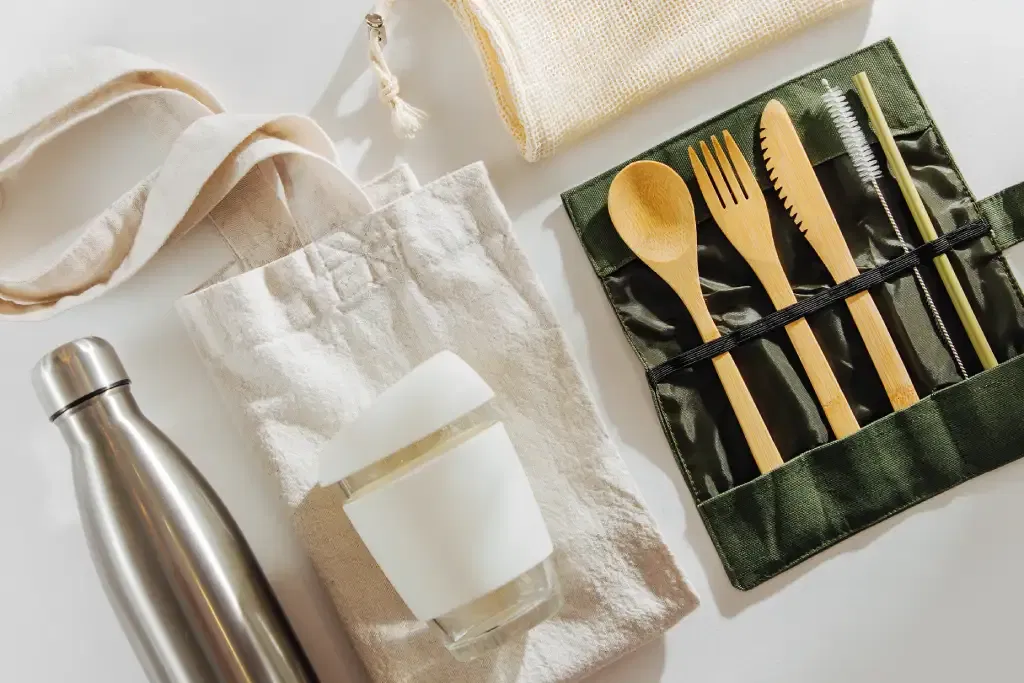
Plastic bottles and disposable coffee cups contribute significantly to waste. Reusable options are not only better for the planet but also save money over time.
Benefits of Reusable Bottles and Cups
Plastic bottles are notorious for their environmental impact. Every year, millions of plastic bottles end up in landfills or oceans, where they take centuries to decompose. Switching to reusable bottles and cups helps reduce this waste, and many are designed to maintain the temperature of your drinks longer, whether hot or cold.
How to Get Started
- Choose the Right Material: Stainless steel and glass bottles are excellent options. They’re durable, easy to clean, and free of harmful chemicals like BPA that are often found in plastic bottles.
- Personalize It: To encourage regular use, consider buying a bottle or cup in your favorite color or with a design that resonates with you.
- Make It a Habit: Keep your reusable bottle or cup within reach—on your desk, in your car, or in your bag—so you’re less likely to forget it when heading out.
Long-Term Benefits
Using reusable bottles and cups saves money in the long run. Many coffee shops even offer discounts to customers who bring their own cups. It’s a win-win for your wallet and the environment.
3. Choose Glass or Metal Storage Containers
Ditch plastic storage containers in favor of glass or stainless steel. These alternatives are safer for your health and the environment.
Why Avoid Plastic Containers?
Plastic containers can leach harmful chemicals into your food, especially when exposed to heat. Over time, these chemicals can have adverse effects on your health. Glass and stainless steel containers, however, are free of such risks and are fully recyclable, making them a more sustainable choice.
Practical Steps
- Replace Gradually: Transitioning doesn’t have to be expensive. Replace old plastic containers as they wear out with glass or metal ones during sales or promotions.
- Opt for Multi-Purpose Containers: Glass containers with airtight lids can double as bakeware, reducing the need for disposable baking dishes.
- Store Smartly: Use stackable containers to save space in your pantry or fridge. Glass jars are particularly great for storing dry goods like rice, pasta, and spices.
Eco-Friendly Benefits
By choosing glass or metal, you’re investing in long-term durability and reducing your household’s plastic footprint. It’s a practical way to make your kitchen more sustainable.
4. Avoid Plastic Wrap
Plastic wrap is convenient but harmful to the environment. Thankfully, there are eco-friendly alternatives.
Alternatives to Plastic Wrap
- Beeswax Wraps: Made from cotton infused with beeswax, these wraps are reusable and biodegradable. They’re perfect for covering bowls, wrapping sandwiches, or storing cheese.
- Silicone Lids: Stretchable and versatile, silicone lids are a great way to cover dishes or bowls without waste. They’re dishwasher-safe and durable.
- Glass Lids: For an even simpler option, use a plate or glass lid to cover food items in the fridge.
How to Transition
- Start Small: Begin by replacing plastic wrap for a single purpose, like wrapping snacks or covering leftovers.
- Experiment: Test different alternatives to find what works best for your needs. For example, beeswax wraps are great for solids, while silicone lids are ideal for liquids.
Environmental Impact
Eliminating plastic wrap from your home reduces waste significantly. It’s a simple change that protects marine life and prevents harmful microplastics from entering ecosystems.
5. Buy in Bulk
Buying in bulk is one of the most effective ways to minimize packaging waste and save money. When you purchase items in bulk, you reduce the need for individually packaged products, which often come in plastic or single-use materials.
This practice is particularly helpful for items like grains, spices, cleaning supplies, and personal care products. Many stores now encourage customers to bring their own containers or bags to fill up bulk goods, making the experience more eco-friendly.
Additionally, buying in bulk can lower your carbon footprint. Fewer packaging materials mean less energy and resources spent on manufacturing and transporting these items.
For products that you use frequently, such as laundry detergent or cooking oil, buying larger quantities reduces the number of trips needed to restock, further decreasing environmental impact.
Bulk shopping also allows you to support local co-ops or zero-waste stores, which often prioritize sustainability. These stores typically source their products from local suppliers, cutting down on transportation emissions.
While the initial cost of buying in bulk might seem higher, it often proves more economical in the long run as you pay less per unit.
To get started, invest in reusable jars, cloth bags, or airtight containers to store your bulk purchases safely. If your community doesn’t have bulk stores, consider buying larger sizes of household staples from your local supermarket and sharing them with friends or family.
This way, you can still enjoy the benefits of bulk buying while spreading awareness about its environmental advantages.
6. Opt for Bar Soap and Shampoo Bars
Switching to bar soap and shampoo bars is a simple yet impactful step towards reducing plastic waste. Most liquid soaps and shampoos come in plastic bottles that contribute significantly to global pollution.
On the other hand, bar soap and shampoo bars are usually packaged in biodegradable materials like cardboard or sold package-free, making them a better choice for the environment.
Shampoo bars are not only eco-friendly but also highly concentrated, meaning they last longer than liquid shampoos. This longevity translates to fewer purchases and less packaging over time.
Many brands now offer options that cater to specific hair types, ensuring that everyone can find a product that works for them without sacrificing sustainability.
Moreover, bar soap and shampoo bars are convenient for travel. They are lightweight, compact, and spill-proof, making them perfect for carry-on luggage. They also eliminate the need for travel-sized plastic bottles, which are often discarded after one use.
When choosing bar products, look for ones made with natural, cruelty-free ingredients to further reduce your environmental impact.
Many artisanal soap makers and eco-conscious brands use sustainable practices, such as sourcing ingredients responsibly and avoiding harmful chemicals that can harm aquatic ecosystems.
To make the transition smoother, invest in a soap dish or container that allows your bars to dry between uses, extending their lifespan.
If you’re new to using shampoo bars, give your hair a few washes to adjust, as they may feel different initially compared to liquid shampoos. Over time, you’ll likely appreciate the benefits for both your hair and the planet.
7. Say No to Plastic Straws and Cutlery
Plastic straws and cutlery are some of the most prevalent single-use plastics, contributing to marine pollution and harming wildlife.
Refusing these items is a simple yet powerful step toward reducing your environmental footprint. Many cafes, restaurants, and food trucks now offer alternatives such as bamboo, stainless steel, or paper straws, and you can also carry reusable options.
Reusable straws and cutlery sets are lightweight and easy to carry in your bag or car. They’re often made from sustainable materials like stainless steel, bamboo, or even silicone. By having your own set, you eliminate the need for disposable utensils when dining out or ordering takeaway.
Plastic straws are particularly harmful to marine life, as they often end up in oceans and waterways where they can injure or kill aquatic animals.
Choosing to forgo a straw entirely or opting for reusable ones can significantly reduce this risk. Similarly, avoiding disposable cutlery prevents the accumulation of non-biodegradable waste in landfills.
For larger gatherings or events, consider biodegradable or compostable cutlery options made from cornstarch or other plant-based materials. These break down naturally without releasing harmful toxins into the environment.
To create a lasting impact, encourage others to adopt the same habit. Share your experiences on social media or in conversations with friends, emphasizing the ease and benefits of saying no to plastic. Small actions like these can inspire collective change, reducing plastic consumption on a broader scale.
8. Choose Eco-Friendly Cleaning Products
Conventional cleaning products often contain harsh chemicals that are harmful to both human health and the environment.
These chemicals can pollute waterways and harm aquatic life when they are washed down the drain. By choosing eco-friendly cleaning products, you can maintain a clean home while protecting the planet.
Eco-friendly cleaning products are typically made with biodegradable, non-toxic ingredients. They are free from phosphates, synthetic fragrances, and chlorine, which are common in traditional cleaners. Many brands now offer plant-based alternatives that are just as effective at removing dirt, grease, and grime.
Making the switch to eco-friendly products doesn’t have to break the bank. You can create your own cleaning solutions using household staples like vinegar, baking soda, and lemon juice. These natural ingredients are powerful disinfectants and deodorizers, offering a budget-friendly alternative to store-bought cleaners.
Another consideration is packaging. Look for brands that use recyclable or refillable containers to reduce waste. Some companies even offer bulk refills, allowing you to reuse your cleaning bottles instead of discarding them.
In addition to switching products, consider sustainable cleaning tools such as reusable cloths, biodegradable sponges, and wooden scrub brushes. These options are not only durable but also reduce your reliance on disposable cleaning supplies.
9. Support Local and Fresh Produce
Supporting local and fresh produce is not only a healthier choice for your family but also a sustainable practice that benefits the environment.
Buying locally grown fruits, vegetables, and other goods reduces the carbon footprint associated with transportation and storage. Imported produce often travels thousands of miles, consuming fossil fuels and contributing to greenhouse gas emissions.
Local produce is typically fresher, as it is harvested at peak ripeness and sold quickly, unlike imported goods that may be picked prematurely to withstand long journeys.
Fresher produce retains more nutrients, making it a healthier choice for you and your family. Additionally, local markets often have seasonal items, encouraging you to eat according to nature’s cycles, which can be both nutritious and cost-effective.
By choosing local, you also support farmers and small businesses in your community. This helps sustain local economies, creating jobs and fostering a sense of connection within your region.
Many farmers who sell directly to consumers are more likely to use sustainable farming methods, such as crop rotation and organic fertilizers, which are better for the environment.
To get started, visit farmer’s markets, join a community-supported agriculture (CSA) program, or shop at local co-ops. If possible, grow your own produce at home. Even a small garden with herbs, tomatoes, or lettuce can reduce your dependency on store-bought items and give you a sense of accomplishment.
Finally, share the benefits of supporting local with friends and family. Educating others on how local produce impacts the environment and health can create a ripple effect, encouraging more people to make eco-conscious decisions.
10. Avoid Single-Use Packaging
Single-use packaging is a significant contributor to global waste, with millions of tons ending up in landfills and oceans each year.
Avoiding it is a crucial step toward a zero-waste lifestyle. Products like plastic bags, cling wraps, and disposable containers are often used for minutes but take hundreds of years to decompose.
Switch to reusable alternatives, such as cloth shopping bags, glass jars, and stainless steel containers. For food storage, beeswax wraps and silicone zip bags are excellent replacements for plastic wrap. Bringing your own containers when buying takeout or shopping for bulk goods can also make a big difference.
When grocery shopping, opt for items with minimal or no packaging. Fresh produce, for example, doesn’t need to be wrapped in plastic.
Look for stores that offer package-free or bulk sections where you can fill your own containers. Many brands are also introducing sustainable packaging options made from biodegradable materials like cornstarch or cardboard.
If avoiding packaging altogether isn’t feasible, prioritize recyclable or compostable options. Check for recycling symbols and instructions to ensure proper disposal. Some companies also offer take-back programs where you can return packaging for reuse or recycling.
Adopting this practice not only reduces waste but also saves money in the long term. By investing in reusable items, you eliminate the need for constant repurchasing. Moreover, avoiding single-use packaging sends a message to manufacturers, encouraging them to adopt more sustainable practices.
11. Recycle and Upcycle
Recycling and upcycling are essential practices for reducing waste and conserving resources. Recycling involves processing materials like plastic, metal, glass, and paper into new products, while upcycling transforms old or discarded items into something of higher value or utility.
Start by understanding your local recycling guidelines. Different municipalities have varying rules for what can and cannot be recycled.
Sorting your recyclables correctly ensures that they are processed efficiently and don’t end up in landfills. Common items like aluminum cans, glass bottles, and certain plastics are widely accepted, but always check for the recycling symbol and number.
Upcycling takes recycling a step further by encouraging creativity. For example, old clothes can be turned into tote bags, and empty jars can become storage containers or plant holders. This not only reduces waste but also adds a personal, artistic touch to your home.
Recycling also conserves energy and natural resources. Manufacturing new products from raw materials requires significantly more energy than producing them from recycled materials. By recycling paper, you save trees; by recycling metal, you conserve ores and reduce mining impacts.
Incorporating these practices into your lifestyle can inspire others in your community. Host workshops or share your upcycling projects on social media to encourage friends and family to join the movement. The key is to view waste as a resource, finding innovative ways to give it a second life.
12. Avoid Microplastics
Microplastics are tiny plastic particles that are a major source of pollution in oceans, rivers, and even the food chain. They are present in products like cosmetics, synthetic fabrics, and even household cleaners, and they harm wildlife and ecosystems.
To avoid microplastics, start by reducing your use of products containing microbeads, such as exfoliating scrubs and toothpastes.
Opt for natural alternatives like sugar, salt, or coffee grounds as exfoliants. Switching to biodegradable cleaning products also minimizes the release of microplastics into waterways.
Clothing made from synthetic fibers like polyester and nylon sheds microplastics during washing. To mitigate this, wash these fabrics less frequently and use a laundry bag designed to catch microfibers. Better yet, invest in natural fiber clothing, such as cotton, linen, or wool.
Microplastics also originate from single-use plastics. By eliminating or minimizing your use of disposable items, you reduce the chances of these plastics breaking down into smaller particles and entering the environment. Support brands that use sustainable packaging and production methods to help curb the problem at its source.
Finally, educate yourself and others about the dangers of microplastics. Their impact on marine life and human health is severe, with studies finding them in fish and even drinking water. Spreading awareness can lead to greater demand for regulatory changes and encourage companies to develop safer, eco-friendly alternatives.
13. Educate and Involve Family Members
Making sustainable changes is more impactful when the entire family is involved. Educating your family members about eco-friendly practices not only creates a shared sense of responsibility but also ensures long-term commitment to sustainable living.
Start by explaining the importance of sustainability in simple, relatable terms. Discuss how everyday habits, like conserving water or reducing waste, directly impact the planet. Use documentaries, books, or online resources to make learning engaging and interactive.
Involve family members in activities that promote sustainability. For example, set up a recycling station at home, and teach children how to sort waste properly. Cooking meals together using local, organic ingredients can also highlight the benefits of supporting sustainable agriculture.
Lead by example. When family members see you practicing eco-friendly habits, they are more likely to follow suit. Whether it’s carrying reusable bags, refusing single-use plastics, or conserving energy, your actions can inspire those around you.
Turn sustainability into a family project. Create goals, such as reducing household energy consumption by a certain percentage or planting a vegetable garden. Celebrate milestones to keep everyone motivated and engaged.
Most importantly, make sustainability fun and rewarding. Encourage kids to get creative with upcycling projects or start a composting bin.
Organize outdoor activities like beach cleanups to teach the importance of protecting nature. When everyone is involved, small changes can add up to a significant positive impact.
Conclusion
Reducing plastic use at home is a rewarding journey that benefits the planet and your household. By implementing these simple yet effective tips, you can create a significant impact on reducing plastic pollution. Start small, stay consistent, and celebrate every step you take toward a sustainable lifestyle.
For more tips and resources on reducing plastic use and living sustainably, visit EcoRescueZone—your trusted guide to a greener future!
