
How to Solve Plastic Waste Problem with Eco-Friendly Innovations
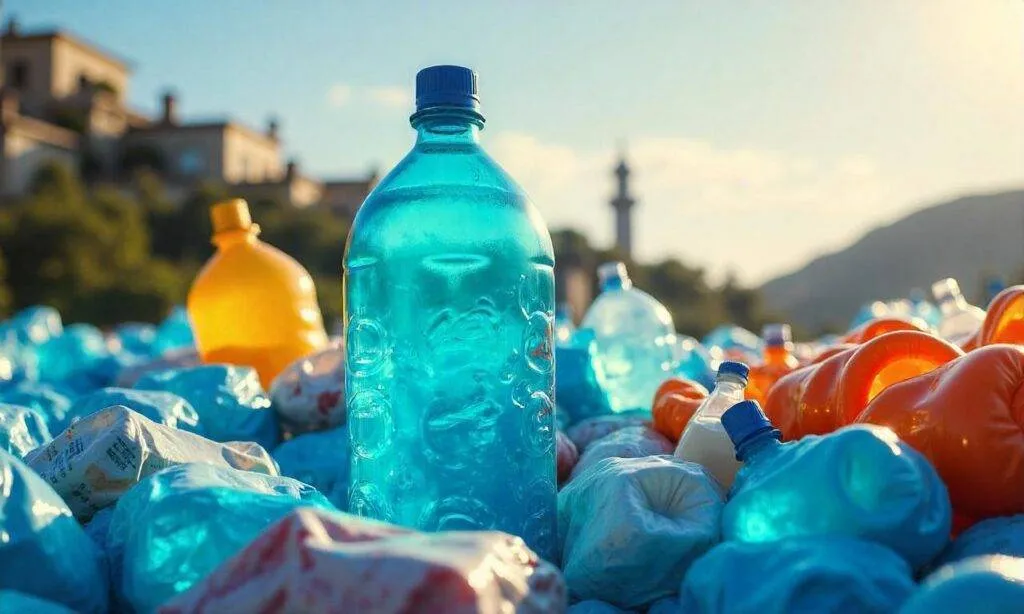
The plastic waste problem is one of the most pressing environmental challenges of the 21st century. Every year, millions of tons of plastic are produced, but only a fraction is recycled, leaving the majority to accumulate in landfills, oceans, and natural ecosystems. This crisis not only harms wildlife and pollutes the environment but also threatens human health and the planet’s long-term sustainability. As the plastic waste problem continues to escalate, eco-friendly innovations have emerged as a promising solution to mitigate its impact. From biodegradable materials to advanced recycling technologies, these innovations are reshaping how we produce, use, and dispose of plastics. This article explores the key strategies and breakthroughs that can help solve plastic waste problem through sustainable practices and cutting-edge advancements.
Understanding the Plastic Waste Problem
Before diving into solutions, it’s crucial to grasp the scope of the plastic waste problem. Plastic, derived from petroleum, is durable, lightweight, and inexpensive, making it a ubiquitous material in modern life. However, its non-biodegradable nature means that it can persist in the environment for hundreds of years. According to the United Nations Environment Programme, over 8 million tons of plastic enter the oceans annually, endangering marine life and disrupting aquatic ecosystems.
The plastic waste problem is also a land-based issue. In many countries, inadequate waste management systems result in plastic being improperly disposed of, leading to pollution in cities and rural areas. Single-use plastics, such as plastic bags, straws, and packaging, are the primary culprits, with a significant portion ending up in the environment despite efforts to reduce their usage.
The Scale of the Issue
The sheer volume of plastic waste produced globally is staggering. In 2023, over 400 million tons of plastic were produced worldwide, with a large portion used for single-use items. This exponential growth in plastic consumption has created a plastic waste problem that threatens to outpace our ability to manage it.
Environmental and Health Impacts
The consequences of the plastic waste problem are far-reaching. Microplastics, tiny fragments of plastic, have infiltrated the food chain and even the air we breathe. Additionally, plastic waste contributes to greenhouse gas emissions, as the decomposition of plastic in landfills releases harmful chemicals. Addressing this plastic waste problem requires a multifaceted approach that combines technological innovation, policy changes, and consumer behavior shifts.
Innovative Solutions: Biodegradable Materials
One of the most exciting developments in the fight against the plastic waste problem is the rise of eco-friendly innovations in biodegradable materials. These materials are designed to break down naturally over time, reducing the long-term environmental impact of plastic use.
The Science Behind Biodegradable Plastics
Biodegradable materials are engineered to decompose under specific conditions, such as exposure to moisture, heat, or microorganisms. Unlike traditional plastics, which can take centuries to degrade, biodegradable alternatives can break down within months. For example, polylactic acid (PLA) is a biodegradable polymer made from renewable resources like corn starch or sugarcane. When disposed of properly, PLA can solve plastic waste problem by returning to the environment without leaving harmful residues.
Advancements in Material Development
Researchers are continuously improving the properties of biodegradable materials to match those of conventional plastics. Innovations like starch-based packaging and alginate films offer viable replacements for single-use items. These materials not only reduce reliance on fossil fuels but also address the plastic waste problem by minimizing the accumulation of non-degradable waste.
Challenges and Opportunities
While biodegradable materials are a step in the right direction, challenges remain. For instance, some biodegradable plastics require industrial composting facilities to decompose efficiently, which are not universally available. However, ongoing research aims to create eco-friendly innovations that are more cost-effective and adaptable to everyday use.
Recycling and Upcycling Technologies
Another critical strategy for solve plastic waste problem is the advancement of recycling and upcycling technologies. Traditional recycling methods often struggle to process mixed plastics, but new innovations are making it possible to reclaim and repurpose plastic waste more effectively.
Chemical Recycling: Breaking Down Plastics
Chemical recycling is revolutionizing the way we handle plastic waste. Unlike mechanical recycling, which involves melting down plastics and reusing them, chemical recycling breaks down plastics into their original molecular components. This process allows for the production of eco-friendly innovations like virgin-quality materials, reducing the need for new plastic production and solve plastic waste problem by creating a circular economy.
AI and Robotics in Waste Sorting
Eco-friendly innovations are not limited to materials—they also extend to the technologies that manage waste. AI-powered sorting systems and robotic arms are now being used in recycling plants to identify and separate different types of plastics with greater accuracy. These technologies solve plastic waste problem by increasing recycling efficiency and reducing contamination in the waste stream.
Upcycling: Turning Waste into Value
Upcycling takes waste and transforms it into new products of higher value. For example, discarded plastic bottles are being converted into eco-friendly innovations such as fashion items, building materials, and even furniture. This approach not only reduces the plastic waste problem but also encourages creative reuse and sustainability.
Policy Interventions and Consumer Behavior
Government policies and consumer choices play a pivotal role in solve plastic waste problem. While eco-friendly innovations are essential, their success depends on widespread adoption, which requires supportive legislation and shifts in public behavior.
Legislative Measures to Reduce Plastic Use
Policy interventions are crucial for tackling the <strong>plastic waste problem</strong> on a large scale. Many countries have implemented bans on single-use plastics, such as plastic bags and straws, to curb their production and consumption. For instance, the European Union’s Single-Use Plastics Directive has set ambitious targets for recycling and reducing plastic waste. These policies solve plastic waste problem by incentivizing sustainable practices and holding industries accountable for their environmental impact.
Encouraging Consumer Awareness

Consumer behavior is another key factor in solve plastic waste problem. Educating the public about the benefits of eco-friendly innovations and the consequences of plastic pollution can drive demand for sustainable products. Initiatives like plastic-free challenges and refill stations are helping individuals make eco-conscious choices, such as opting for reusable containers and biodegradable materials.
The Role of Incentives and Education
Incentives and education are powerful tools to foster eco-friendly habits. Governments and businesses can offer discounts or rewards for using eco-friendly innovations, such as compostable bags or recycled products. Additionally, public awareness campaigns that highlight the plastic waste problem and its solutions can create a cultural shift toward sustainability.
Case Studies of Successful Eco-Friendly Innovations
Examining real-world examples of eco-friendly innovations provides valuable insights into how they can solve plastic waste problem effectively. These case studies demonstrate the practical applications of sustainable technologies and their impact on reducing plastic pollution.
Eco-Friendly Innovations in Packaging
One notable success story is the adoption of compostable packaging by major companies. For instance, Unilever has committed to using 100% eco-friendly innovations in its packaging by 2025, including plant-based materials and biodegradable plastics. This shift solve plastic waste problem by significantly reducing the amount of non-recyclable waste generated.
Sustainable Solutions in the Fashion Industry
The fashion industry has also embraced <strong>eco-friendly innovations</strong> to address the <strong>plastic waste problem</strong>. Brands like Patagonia and Adidas have introduced recycled polyester and biodegradable textiles in their products. By repurposing plastic bottles into fabric, these companies not only solve plastic waste problem but also promote a more sustainable fashion ecosystem.
Innovative Waste Management in Coastal Communities
Coastal communities are leveraging <strong>eco-friendly innovations</strong> to combat marine plastic pollution. In Indonesia, a project called Plastic Road has transformed plastic waste into road construction materials, providing a solve plastic waste problem solution that benefits both the environment and local infrastructure. Such initiatives highlight the potential of eco-friendly innovations to create tangible change.
Overcoming Barriers to Implementation
While eco-friendly innovations offer hope, their implementation faces several challenges. Addressing these barriers is essential to ensuring that solve plastic waste problem efforts are effective and scalable.
Cost and Production Efficiency
One of the main barriers is the cost of <strong>eco-friendly innovations</strong> compared to traditional plastics. Although biodegradable materials and advanced recycling technologies are becoming more affordable, they still require significant investment in research and development. To overcome this, governments and private sectors must collaborate to solve plastic waste problem through funding and scaling up production.
Public Acceptance and Education
Public acceptance is another challenge in <strong>solve plastic waste problem</strong> initiatives. Many consumers remain unaware of the environmental impact of plastic or are skeptical about the performance of eco-friendly innovations. Education campaigns and transparent communication about the benefits of sustainable materials are necessary to build trust and drive adoption.
Infrastructure and Global Cooperation
Effective <strong>solve plastic waste problem</strong> solutions depend on robust infrastructure and global cooperation. Countries with advanced recycling facilities can lead the way, but developing nations may lack the resources to implement similar systems. International partnerships and funding can help bridge this gap, ensuring that eco-friendly innovations are accessible to all.
The Future of Eco-Friendly Innovations
As technology continues to evolve, the future of eco-friendly innovations looks increasingly promising. These advancements are not only helping to solve plastic waste problem but also inspiring a global movement toward sustainability.
Emerging Technologies
New technologies are constantly being developed to tackle the <strong>plastic waste problem</strong>. For example, plastic-eating enzymes are being tested to break down polyethylene, one of the most common plastics, in just weeks. These eco-friendly innovations could revolutionize waste management by offering a faster and more efficient solution to plastic pollution.
Integration with Renewable Energy
Eco-friendly innovations are also being integrated with renewable energy sources to reduce their carbon footprint. Solar-powered recycling plants and wind energy-driven manufacturing processes are making sustainable plastic production more environmentally friendly. This synergy between eco-friendly innovations and clean energy is a critical step in solve plastic waste problem comprehensively.
The Role of Innovation in a Circular Economy
Creating a circular economy is key to <strong>solve plastic waste problem</strong> long-term. This model emphasizes recycling, reusing, and repurposing materials rather than discarding them. Eco-friendly innovations are at the heart of this transition, enabling industries to produce goods with minimal environmental impact.
Conclusion
The plastic waste problem is a complex challenge that requires a combination of technological, policy, and behavioral solutions. Eco-friendly innovations such as biodegradable materials, advanced recycling technologies, and upcycling practices are playing a vital role in solve plastic waste problem by reducing reliance on traditional plastics and promoting sustainable alternatives. While barriers like cost and infrastructure remain, ongoing advancements and global cooperation are paving the way for a cleaner, healthier planet. By embracing these eco-friendly innovations, individuals, businesses, and governments can work together to solve plastic waste problem and ensure a more sustainable future.
