
How to Switch to a Plastic-Free Kitchen Easily

Learn how to switch to a plastic-free kitchen with sustainable alternatives for a greener and healthier lifestyle.
Our journey toward a plastic-free kitchen began with a simple realization: the materials we use daily impact our health and the planet. Plastic, while convenient, often leaches harmful chemicals into our food and environment. This discovery inspired us to explore sustainable alternatives.
A plastic-free kitchen means replacing synthetic materials with renewable options like bamboo, glass, and metal. These choices not only reduce waste but also create a healthier space for cooking and dining. Every small change adds up to a significant difference.
In this article, we’ll share step-by-step guidelines, practical swaps, and DIY tips to help you transition smoothly. Together, we can make our kitchens safer and more eco-friendly. Let’s take this step toward a brighter, plastic-free future.
Introduction: Our Journey Toward a Sustainable Kitchen
We started our sustainable kitchen journey by rethinking everyday items. It wasn’t about making drastic changes overnight but finding practical ways to reduce our plastic footprint. One of the first steps was replacing single-use bags with reusable ones for groceries and produce.
We also discovered the value of glass jars and metal containers for storing food. These alternatives not only kept our meals fresh but also eliminated the need for plastic wraps and bags. Small swaps like these made a big difference in our kitchen.
Local stores and bulk options became our go-to for reducing waste. Buying in bulk allowed us to avoid unnecessary packaging, and bringing our own bags and jars made the process seamless. It felt good to support businesses that aligned with our values.
We also embraced reusable cups for water and tea, opting for metal or glass options. These changes not only reduced plastic waste but also made our kitchen feel more intentional and eco-friendly. Every step brought us closer to a sustainable home.
Our journey taught us that even small changes can have a significant impact. By focusing on everyday items and mindful choices, we created a kitchen that’s healthier for us and the planet. It’s a process, but one we’re proud to continue.
The Hidden Dangers of Plastic in Our Kitchen
Many of us don’t realize the hidden risks lurking in our kitchens. Everyday items like plastic bowls, plates, and utensils can release harmful chemicals over time. These toxins, such as BPA and phthalates, can leach into our food, especially when exposed to heat.
For example, a plastic spatula used in a hot pan can release toxic leachates. These chemicals have been linked to health issues like hormone disruption and even cancer. Even a single plastic item used repeatedly can impact our well-being.
Environmental and Health Impacts
Plastic doesn’t just harm us—it harms the planet. Microplastics from broken-down items pollute our oceans and soil. These tiny particles can enter the food chain, affecting wildlife and eventually us.
In our homes, plastics can also release forever chemicals that don’t break down. These substances accumulate in our bodies and the environment, creating long-term risks. Choosing safer materials like wood or stainless steel can minimize these dangers.
Understanding Toxic Leachates and Forever Chemicals
Common kitchen plastics often contain BPA and phthalates. These chemicals can seep into food, especially when heated. Over time, repeated exposure can lead to serious health problems.
- Plastic containers used for microwaving can release toxins into your meals.
- Utensils like spoons and spatulas can degrade with heat, leaching chemicals.
- Even water bottles left in the sun can become hazardous.
By replacing these items with hand-selected non-toxic alternatives, we can protect our health and the environment. Small changes, like switching to a wooden spoon or glass bowl, make a big difference.
Assessing Our Current Plastic Footprint
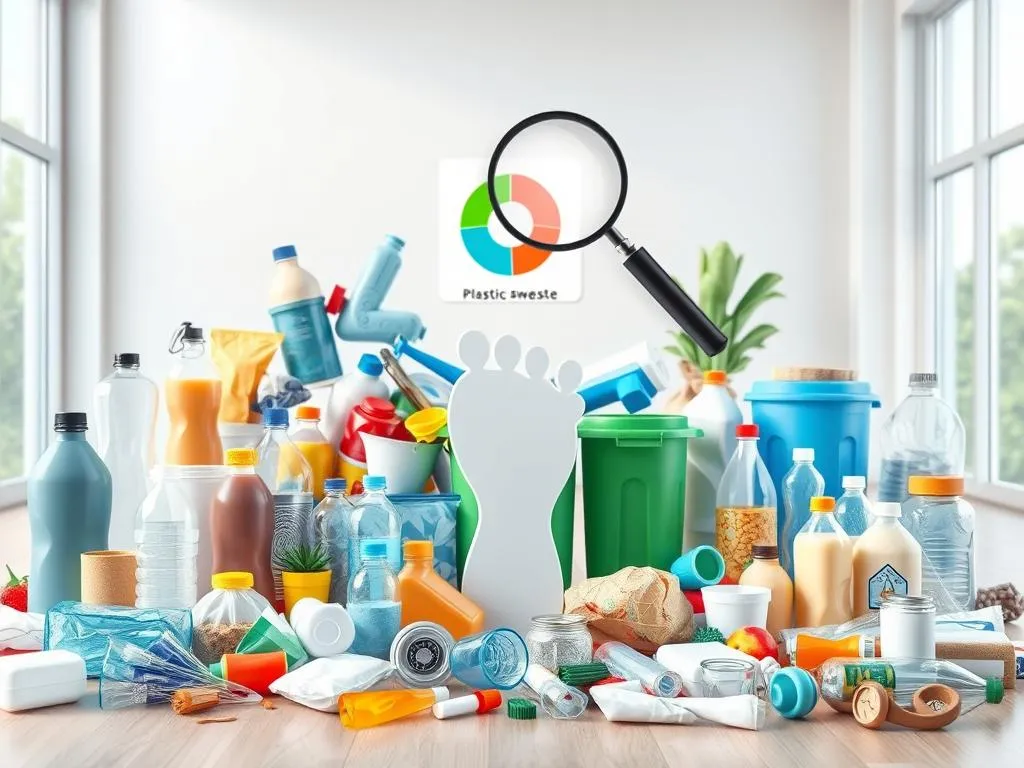
Taking a closer look at our kitchens can reveal surprising truths about our plastic use. From storage bins to food containers, these items often accumulate without us realizing their impact. Understanding our plastic footprint is the first step toward making meaningful changes.
Evaluating Everyday Kitchen Items
Start by taking inventory of the plastic items in your kitchen. Open every cabinet and drawer to identify what you use daily. Common culprits include plastic containers, jars, and storage bins. Ask yourself: Can these items be replaced with sustainable options?
- Note the amount of plastic packaging in your pantry and fridge.
- Evaluate whether single-use plastics, like bags or wraps, are necessary.
- Consider reusable alternatives for items like jars and bins.
Bulk buying at your local grocery store is a great way to reduce reliance on single-use plastics. Bring your own containers or jars to fill with grains, nuts, and other staples. This simple switch can significantly cut down on plastic waste.
By measuring the amount of plastics in your kitchen, you’ll be better prepared to make eco-friendly swaps. Small changes, like replacing a plastic bin with a glass jar, can lead to a healthier, more sustainable home.
How to Switch to a Plastic-Free Kitchen
Transitioning to a kitchen free of synthetic materials starts with small, intentional changes. By focusing on essential swaps and safe alternatives, we can create a healthier, more sustainable space. Let’s explore practical steps to make this shift seamless and effective.
Identifying Essential Kitchen Swaps
Begin by identifying which items are most critical to replace. Plastic containers, wraps, and utensils are common culprits. Start with these:
- Replace plastic wrap with beeswax wrap for food storage.
- Swap plastic plates and bowls for bamboo or stainless steel options.
- Use glass jars or metal containers for bulk items like grains and nuts.
These changes not only reduce waste but also eliminate harmful chemicals from your kitchen.
Choosing Safe, Non-Toxic Alternatives
When selecting alternatives, prioritize materials like bamboo, glass, and stainless steel. These options are durable, eco-friendly, and free from harmful chemicals. Here’s a quick comparison:
| Plastic Item | Eco-Friendly Alternative |
|---|---|
| Plastic Wrap | Beeswax Wrap |
| Plastic Utensils | Wooden or BPA-Free Silicone Utensils |
| Plastic Storage Bins | Bamboo or Glass Containers |
| Plastic Tea Infuser | Metal Tea Infuser |
Transitioning gradually allows you to use items until they’re replaced by sustainable options. Consider both style and safety when making your choices. For example, a bamboo utensil set not only looks great but is also free from harmful chemicals.
By focusing on these practical swaps, we can create a kitchen that’s healthier for us and the planet. Every small change brings us closer to a sustainable future.
Eco-Friendly Alternatives for Everyday Kitchen Items
Creating a sustainable kitchen begins with choosing the right materials. By replacing synthetic items with eco-friendly options, we can reduce waste and protect our health. Let’s explore some practical alternatives that make a big difference.
Glass jars and stainless steel bottles are excellent replacements for plastic containers. They’re durable, easy to clean, and free from harmful chemicals. For storing food, silicone bags and beeswax wraps are versatile and reusable.
Materials and Tools to Replace Plastic
When shopping for alternatives, look for products made from bamboo, glass, or stainless steel. These materials are safe, long-lasting, and eco-friendly. Here’s a quick guide to help you make the switch:
| Plastic Item | Eco-Friendly Alternative |
|---|---|
| Plastic Water Bottle | Stainless Steel Bottle |
| Plastic Food Container | Glass Jar |
| Plastic Storage Bag | Silicone Bag |
| Plastic Utensils | Bamboo Utensils |
Buying in bulk is another great way to reduce plastic waste. Bring your own containers to refill stations at local stores. This simple habit cuts down on packaging and supports sustainable practices.
Experiment with different materials to find what works best for your kitchen. Whether it’s a glass jar for grains or a silicone bag for snacks, every swap brings us closer to a healthier, greener home.
Sustainable Food Storage and Cleaning Solutions
Everyday routines can transform how we store and clean our food. By making simple swaps, we can reduce plastic waste and create a healthier kitchen. Let’s explore practical solutions for sustainable food storage and cleaning.
Glass containers and metal bowls are excellent alternatives to plastic. They’re durable, easy to clean, and free from harmful chemicals. For example, glass jars are perfect for storing grains, nuts, and leftovers. Metal bins work well for organizing pantry items.
Reusable cleaning solutions also play a key role. DIY cleaners made from vinegar, baking soda, and essential oils cut down on plastic packaging. Refillable spray bottles are a great option for storing these mixtures. This approach reduces waste and saves money.
Here’s a quick guide to swapping single-use items with long-lasting alternatives:
| Plastic Item | Eco-Friendly Swap |
|---|---|
| Plastic Containers | Glass Jars |
| Plastic Wrap | Beeswax Wrap |
| Plastic Cleaning Bottles | Refillable Spray Bottles |
| Plastic Utensils | Wooden or Silicone Utensils |
Investing in quality storage items supports a sustainable lifestyle. Glass and stainless steel options last longer and are safer for food storage. They also reduce the need for frequent replacements, saving resources in the long run.
Did you know that using sustainable cleaning supplies can reduce plastic waste by up to 30%? Small changes, like switching to a wooden spoon or silicone bag, add up over time. Experiment with different materials to find what works best for your kitchen.
By focusing on these practical solutions, we can create a kitchen that’s healthier for us and the planet. Every swap brings us closer to a greener, more sustainable life.
Innovative DIY and Budget-Friendly Practices
Budget-friendly practices make reducing plastic use accessible for everyone. With a little creativity, we can craft reusable items and repurpose what we already have. These DIY solutions not only save money but also help us live more sustainably.
Crafting Your Own Cleaners and Reusable Bags
Making your own cleaning products is simple and effective. Mix vinegar, baking soda, and essential oils for a non-toxic cleaner. Store it in a reusable spray bottle to cut down on plastic waste.
For reusable bags, old fabric or t-shirts work great. Cut the material into squares, sew the edges, and add handles. These handmade bags are perfect for groceries or produce.
- Use beeswax wraps instead of plastic wrap for food storage.
- Turn glass jars into storage containers for pantry items.
- Repurpose silicone molds for organizing small kitchen tools.
Upcycling Existing Kitchen Items
Upcycling gives new life to old items. Glass bottles can become stylish vases or utensil holders. A chipped bowl can be transformed into a planter for herbs.
Here are some creative ideas:
- Use mason jars as drinking glasses or candle holders.
- Turn an old baking tray into a magnetic spice rack.
- Repurpose a wooden crate as a rustic storage container.
These small changes not only reduce waste but also add a personal touch to your kitchen. By focusing on DIY and upcycling, we can make a big impact without spending a lot.
Smart Strategies for Plastic-Free Grocery Shopping
Making eco-conscious choices at the grocery store can significantly reduce our plastic footprint. Small changes in our shopping habits can lead to a big impact over time. By focusing on reusable items and mindful planning, we can create a more sustainable routine.
Bringing Your Own Reusables
One of the simplest ways to cut down on plastic is by bringing reusable bags and containers. A sturdy cloth bag can replace single-use plastic bags, while glass jars or silicone bags are perfect for produce and bulk items. These swaps not only reduce waste but also save money in the long run.
Planning ahead is key. Before heading to the grocery store, pack your reusable items. This habit ensures you’re prepared to avoid plastic packaging. Over time, these small adjustments become second nature, making sustainable shopping effortless.
Minimizing Plastic Waste
Avoiding pre-packaged items is another effective strategy. Choose loose fruits and vegetables instead of those wrapped in plastic. Many stores now offer bulk sections where you can fill your own containers with grains, nuts, and spices.
Here are some practical tips to manage grocery shopping sustainably:
- Bring reusable produce bags for fruits and vegetables.
- Use glass jars or metal containers for bulk items.
- Opt for items with minimal or recyclable packaging.
By implementing these strategies, we can reduce our household plastic waste significantly. Every trip to the grocery store becomes an opportunity to make a positive change. Together, we can create a healthier, more sustainable future.
Embracing Local and Seasonal Alternatives
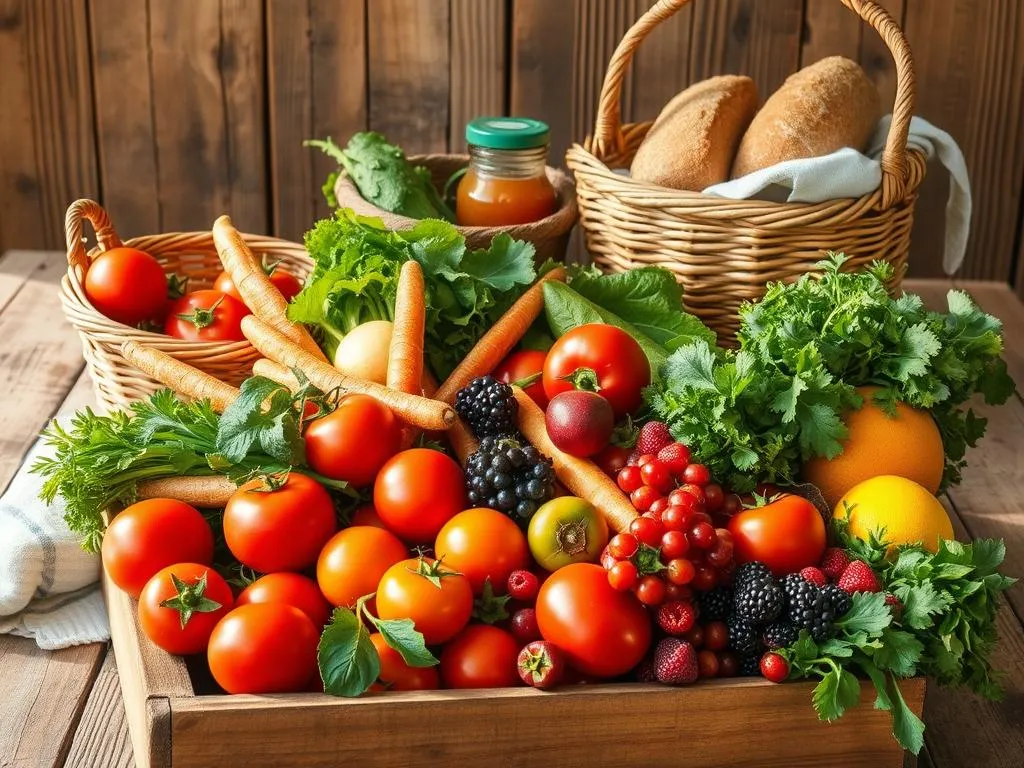
Exploring local and seasonal options can transform how we approach our daily meals and reduce plastic waste. By sourcing fresh produce and other items from nearby farms and markets, we not only support our community but also cut down on unnecessary packaging. This simple shift can make a big difference in our plastic footprint.
Building Relationships with Local Producers
One of the best ways to embrace local shopping is by building relationships with producers. Farmers’ markets and local bakeries often offer bulk options that eliminate the need for plastic packaging. For example, bringing your own glass jar for honey or a bamboo bag for bread can help reduce waste.
Here are some benefits of shopping locally:
- Fresher, higher-quality produce without plastic wrapping.
- Access to bulk items like grains, nuts, and spices in reusable containers.
- Supporting small businesses that prioritize sustainable practices.
Local shopping also allows us to discover unique items, like handmade tea blends or artisanal bread, that are often free from harmful chemicals. A single day of local shopping can replace multiple trips to traditional grocery stores, saving time and reducing plastic use.
| Local Shopping | Traditional Grocery Shopping |
|---|---|
| Fresh, seasonal produce | Often packaged in plastic |
| Bulk options with reusable containers | Pre-packaged items with single-use plastics |
| Supports local businesses | Supports large corporations |
| Reduces carbon footprint | Higher environmental impact |
By choosing local and seasonal alternatives, we can create a more sustainable lifestyle. These strategies not only reduce plastic waste but also bring us closer to our community and the food we eat. Let’s make every day an opportunity to support eco-friendly practices.
Conclusion
Embracing a lifestyle free from harmful materials starts with mindful choices. By replacing plastic items with sustainable options like wood, glass, and metal, we reduce waste and protect our home from harmful chemicals. Every swap, from a plastic bin to a reusable cup, makes a difference.
Our journey has shown that small changes lead to big impacts. Simple DIY projects and eco-friendly swaps create a healthier way of life. Maintaining a sustainable mindset ensures we continue to minimize plastic use and its negative effects.
We invite you to share your experiences and join our community on social media. Together, we can inspire lasting lifestyle changes for a better future. Remember, every choice, no matter how small, contributes to a healthier planet and a more sustainable life at home.
FAQ
What are the best materials to replace plastic in the kitchen?
Glass, stainless steel, bamboo, and silicone are excellent alternatives. These materials are durable, non-toxic, and eco-friendly, making them ideal for food storage, utensils, and containers.
How can we reduce plastic waste during grocery shopping?
Bring your own reusable bags, produce bags, and containers. Shop in bulk and choose items with minimal or no packaging. Supporting local farmers’ markets also helps reduce plastic use.
Are there DIY solutions for plastic-free food storage?
Yes! Use beeswax wraps instead of plastic wrap, repurpose glass jars for storage, and make your own reusable cloth bags. These simple swaps are budget-friendly and sustainable.
What are the health risks of using plastic in the kitchen?
Plastics can leach harmful chemicals like BPA and phthalates into food, especially when heated. These chemicals may disrupt hormones and pose long-term health risks.
How do we transition to a plastic-free kitchen on a budget?
Start small by replacing one item at a time. Upcycle existing containers, shop second-hand for glass or metal items, and prioritize essential swaps like reusable water bottles and food storage containers.
Can we find plastic-free alternatives for cleaning products?
Absolutely! Use natural cleaning tools like bamboo brushes, wooden scrubbers, and refillable glass spray bottles. DIY cleaners with vinegar and baking soda are also effective and plastic-free.
What are some easy swaps for plastic utensils?
Replace plastic spatulas, spoons, and cutting boards with options made from wood, bamboo, or stainless steel. These materials are safer and more sustainable for everyday use.
How can we store produce without plastic bags?
Use reusable mesh or cotton produce bags, store items in glass containers, or wrap leafy greens in damp cloths. These methods keep food fresh while reducing plastic waste.
