
Practical Tips for Eco-Conscious Shopping to Reduce Your Impact
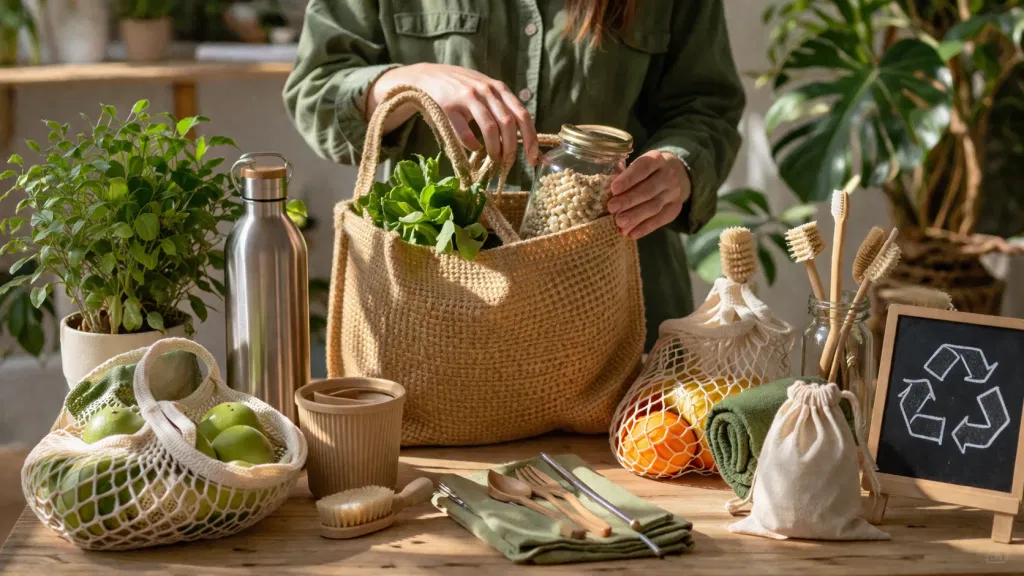
Practical Tips for Eco-Conscious Shopping to Reduce Your Impact
In today’s world, shopping can contribute significantly to environmental degradation. As awareness about sustainability increases, many consumers are looking for ways to minimize their environmental impact while shopping. If you want to shop responsibly and reduce your ecological footprint, here are practical tips for eco-conscious shopping that can guide you toward more sustainable decisions.
1\. Choose Products with Minimal Packaging
One of the most effective tips for eco-conscious shopping is to prioritize products with minimal or recyclable packaging. Excess packaging often ends up in landfills, contributing to pollution. Whenever possible, opt for products that come in refillable or biodegradable packaging. Many brands are now using compostable materials and reducing unnecessary packaging, making it easier for consumers to make environmentally friendly choices.
When buying food items, for example, consider bulk buying to reduce packaging waste. This is especially beneficial for dry goods like grains, beans, and spices. By using reusable containers, you can further reduce the need for single-use plastic bags and wrappers.
2\. Support Local and Sustainable Brands
Supporting local businesses and sustainable brands is another critical component of eco-conscious shopping. Local companies often have a smaller carbon footprint due to reduced transportation distances, which lowers greenhouse gas emissions. Additionally, many small businesses focus on sustainability, sourcing materials responsibly and using ethical production methods.
Look for brands that are committed to ethical practices such as fair trade, cruelty-free, or use sustainable materials like organic cotton, hemp, and bamboo. Many of these brands also embrace circular economies, meaning they take responsibility for their products even after they are sold. Choosing to shop locally not only supports the economy but also helps reduce your environmental impact.
3\. Prioritize Quality Over Quantity
Buying fewer, high-quality items rather than frequently purchasing cheap, low-quality products is one of the most significant tips for eco-conscious shopping. Poorly made products often wear out quickly, leading to more waste and a greater need for resources to replace them. By investing in durable, well-made products, you reduce the need for frequent replacements and contribute to less waste overall.
Look for products that are designed to last longer, such as clothing made from durable fabrics or furniture built with strong, long-lasting materials. While the upfront cost may be higher, the long-term benefits, both for your wallet and the planet, are worth it.
4\. Embrace Second-Hand Shopping
Thrift stores, online marketplaces, and consignment shops offer great opportunities for eco-conscious shopping. By buying second-hand items, you’re not only giving a product a second life but also helping reduce the demand for new goods, which often require additional resources to manufacture. This is particularly important in industries like fashion, electronics, and furniture, where waste and resource use are significant.
Thrift shopping also offers unique and high-quality finds that might be unavailable in mainstream stores. By embracing pre-owned items, you help reduce the strain on natural resources and reduce the carbon footprint associated with manufacturing and shipping new products.
5\. Opt for Eco-Friendly Materials
When shopping for clothing, furniture, or other household items, look for products made from eco-friendly materials. Many companies now use sustainable fabrics like organic cotton, hemp, and bamboo in their products. For furniture, choose pieces made from reclaimed wood or recycled materials. These options not only reduce environmental damage but also support industries that prioritize eco-friendly practices.
Eco-friendly materials are often produced with fewer pesticides, lower water usage, and less pollution, making them a much better choice for the planet. Moreover, many products made from sustainable materials are biodegradable or recyclable, further reducing their environmental impact.
6\. Avoid Fast Fashion
The fast fashion industry is notorious for its detrimental impact on the environment. Fast fashion encourages rapid production of cheap clothing, which leads to excessive waste, water pollution, and poor labor conditions. As part of your eco-conscious shopping strategy, try to avoid buying from fast fashion brands and instead focus on slow fashion companies that prioritize sustainability.

By purchasing fewer, higher-quality clothing items that are designed to last, you reduce the demand for cheaply made, disposable garments. Look for certified sustainable brands or companies that follow ethical labor practices and use eco-friendly production methods.
Conclusion
Eco-conscious shopping is not about completely overhauling your lifestyle overnight but making incremental changes that collectively reduce your environmental impact. By choosing products with minimal packaging, supporting local and sustainable brands, investing in quality items, embracing second-hand shopping, and opting for eco-friendly materials, you can make a significant difference in reducing your ecological footprint. The more you incorporate these tips for eco-conscious shopping into your daily routine, the better equipped you’ll be to contribute positively to the environment.
FAQ
Q: What are some quick tips for eco-conscious shopping?
A: Choose products with minimal or recyclable packaging, support local and sustainable brands, and prioritize quality over quantity.
Q: How can I reduce my environmental impact while shopping?
A: By buying second-hand items, opting for eco-friendly materials, and avoiding fast fashion, you can significantly reduce your environmental footprint.
Q: What is slow fashion, and why should I consider it?
A: Slow fashion focuses on high-quality, durable clothing made with sustainable practices, which helps reduce waste and environmental damage compared to fast fashion.
Q: Why should I avoid products with excessive packaging?
A: Excessive packaging contributes to landfill waste and pollution, so choosing products with minimal or recyclable packaging is an eco-friendly choice.
Q: Can shopping second-hand really help the environment?
A: Yes, by buying second-hand, you reduce the demand for new products, conserving resources and reducing waste from manufacturing.
