
Discover Sustainable Building Materials for Homes Today!
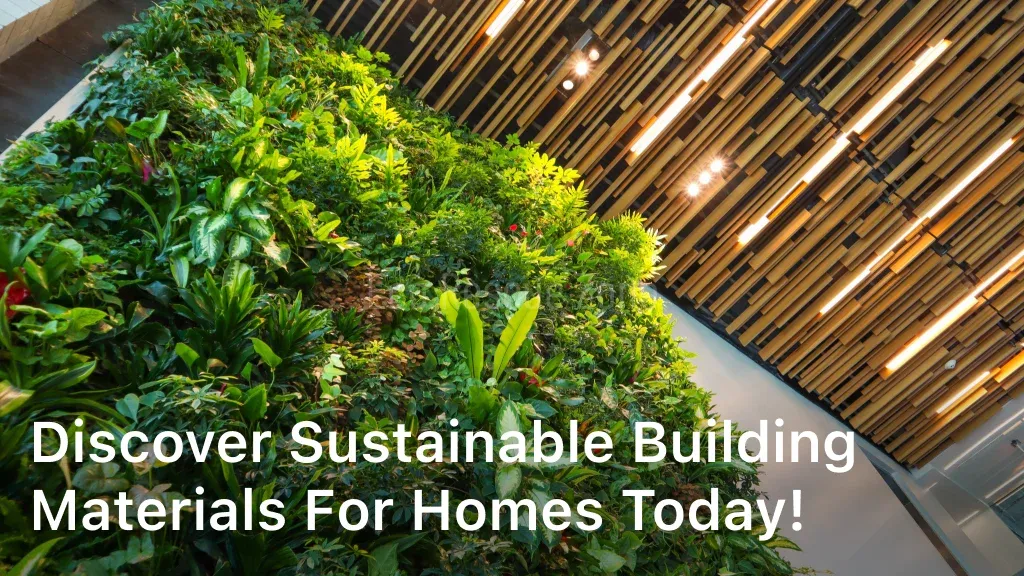
Ecorescuezone.com. Discover Sustainable Building Materials for Homes Today! – Explore our range of sustainable building materials for homes. Engage in future-conscious building today for a greener tomorrow!
Welcome to our article on sustainable building materials for homes! As the world becomes increasingly aware of the impact of human activities on the environment, there is a growing need to adopt more sustainable practices in various fields, including construction.
Sustainable building materials for homes are designed to meet this need, while also providing a range of benefits. In this section, we will explore the concept of sustainable building materials for homes and highlight their importance.
Sustainable Building Materials for Homes
Key Takeaways
- Sustainable building materials are designed to meet the need for more eco-friendly building practices.
- Using sustainable building materials in homes provides a range of benefits, from energy efficiency to healthier indoor environments.
- Options for sustainable building materials include reclaimed wood, recycled glass, bamboo, natural fibers, and more.
- Choosing the right sustainable building materials for your home requires consideration of factors such as durability, cost-effectiveness, certification labels, and compatibility with existing structures.
- Engaging in future-conscious building practices is crucial for creating a more sustainable and eco-friendly living environment.

Benefits of Sustainable Building Materials
As we discussed in the previous section, sustainable building materials for homes have a significant impact on the environment and the overall sustainability of our communities. But using these materials offers more than just eco-consciousness.
In this section, we will explore the various benefits that sustainable building materials can provide.
Energy Efficiency
One of the primary benefits of sustainable building materials for homes is energy efficiency. These materials are designed to reduce energy consumption, resulting in lower energy costs and less strain on the environment.
For example, using insulation made from recycled materials such as denim or wool can significantly improve the energy efficiency of a home by preventing heat loss in the winter and heat gain in the summer. Similarly, using energy-efficient windows made from sustainably sourced wood, aluminum, or fiberglass can reduce heating and cooling costs while minimizing overall energy consumption.
Reduced Carbon Footprint
Sustainable building materials for homes also help to reduce carbon footprint. These materials are often made from renewable sources or recycled materials, reducing the need for extracting new resources and minimizing waste.
For instance, using bamboo for flooring or cabinetry instead of traditional hardwoods reduces the amount of deforestation and habitat destruction required for harvesting wood. Similarly, using steel that contains recycled content in building construction can significantly reduce the carbon footprint compared to traditional steel.
Healthier Indoor Environments
Sustainable building materials are often free of harmful chemicals, promoting healthier indoor environments and reducing the risk of health problems.
Materials such as low-VOC (volatile organic compound) paints, natural insulation, and formaldehyde-free pressed wood products can reduce indoor air pollutants, minimizing the risk of respiratory problems and other health issues.
Overall Sustainability
By using sustainable building materials for homes, we are contributing to the overall sustainability of our communities and the planet. These materials are often designed with a “cradle to cradle” approach, promoting a circular economy and minimizing waste.
Furthermore, using sustainable materials sends a message to manufacturers and lawmakers that we prioritize eco-consciousness and are willing to make a difference in building a more sustainable future.
In the next section, we will take a closer look at the different types of sustainable building materials for homes that are available today.
Types of Sustainable Building Materials
When it comes to sustainable building materials for homes, there are many options to choose from. Here are some of the most popular and eco-friendly materials available:
| Material | Description |
|---|---|
| Reclaimed wood | Wood salvaged from old buildings and structures, often with unique character and history. |
| Recycled glass | Glass that has been crushed and repurposed, often used for countertops, tiles, and decorative accents. |
| Bamboo | A highly renewable and durable material, often used for flooring, cabinetry, and furniture. |
| Natural fibers | Materials like cotton, wool, and hemp that can be used for insulation, carpeting, and textiles. |
| Adobe | A type of brick made from natural materials like clay, sand, and straw, commonly used for walls and flooring. |
| Earthbags | Bags filled with materials like dirt, sand, or gravel that can be used for walls, foundations, and insulation. |
Each of these materials has its own unique advantages and characteristics. Reclaimed wood, for example, adds warmth and character to a home, while recycled glass offers a sleek and modern aesthetic. Bamboo is known for its strength and durability, and natural fibers provide excellent insulation properties.
Adobe and earthbags are particularly suited for building homes in areas with a hot and dry climate, as they offer natural cooling properties. Additionally, they are highly sustainable and affordable options for environmentally-conscious builders.
When selecting sustainable building materials for your home, it’s important to consider factors like durability, cost-effectiveness, and compatibility with existing structures. By making informed choices about the materials used in your home, you can help reduce your carbon footprint and promote a healthier living environment for you and your family.
Choosing Sustainable Building Materials for Your Home
When it comes to selecting the right sustainable building materials for your home, it’s essential to consider various factors to ensure you make an informed decision. Here are some key factors to keep in mind:
Durability
Choosing durable materials is critical to ensure that your home withstands the test of time. Look for materials that are strong, weather-resistant, and won’t require frequent replacements or repairs. This approach minimizes waste, saves money, and reduces the carbon footprint associated with sourcing new materials frequently.
Cost-effectiveness
While sustainable building materials may often come with a higher price tag than traditional options, it’s crucial to think about the long-term cost-effectiveness. Investing in high-quality materials that don’t require frequent replacements can save significant amounts of money in the long run, making them a more affordable option over time.
Certification Labels
When shopping for sustainable building materials, look for certification labels such as the Forest Stewardship Council (FSC), Cradle to Cradle (C2C), and GreenGuard. These labels indicate that the materials are produced in an eco-friendly manner, minimizing environmental impact and promoting sustainability.
Compatibility with Existing Structures
It’s important to consider whether the sustainable building materials you choose will work well with any existing structures in your home. For instance, if you’re retrofitting an older home with new insulation, it’s essential to ensure that the insulation won’t cause moisture issues that lead to mold growth or other structural problems.
By taking all of these factors into account, you can make an informed decision about which sustainable building materials to use in your home. Remember that it’s not just about choosing materials that are eco-friendly; they also need to be practical, cost-effective, and compatible with your home’s existing structures.
Conclusion
We hope this article has provided the information you need to understand the importance of sustainable building materials for homes. By choosing eco-friendly options, we can contribute to a greener tomorrow while enjoying the benefits of energy efficiency, healthier indoor environments, and overall sustainability in our homes.
Take Action for a Sustainable Future
Choosing the right sustainable building materials for your home can be a daunting task, but it is an important one. We encourage you to consider factors such as durability, cost-effectiveness, and certification labels when making your choice. By engaging in future-conscious building practices, we can create a more sustainable and eco-friendly living environment for ourselves and future generations.
The Benefits of Sustainable Building Materials for Homes
By using sustainable building materials for homes, we can reduce carbon footprint and promote a healthier, more sustainable lifestyle. Sustainable materials such as reclaimed wood, recycled glass, bamboo, and natural fibers all offer benefits like durability, energy efficiency, and affordability, making them ideal choices for eco-conscious homeowners.
Join the Movement towards a Sustainable Future
With the increasing need to address climate change and environmental concerns, it’s time for us to take action. The use of sustainable building materials for homes is a simple step we can take towards building a more sustainable future. Let’s join the movement and do our part in creating a better world.
FAQ
What are sustainable building materials for homes?
Sustainable building materials for homes are those that are environmentally friendly and have a minimal negative impact on the planet. These materials are designed to be resource-efficient, energy-efficient, and have a reduced carbon footprint.
What are the benefits of using sustainable building materials for homes?
There are several benefits of using sustainable building materials for homes. These materials contribute to energy efficiency, reduce carbon footprint, promote healthier indoor environments by minimizing harmful chemicals, and support overall sustainability in the construction industry.
What are some types of sustainable building materials for homes?
There are various types of sustainable building materials that can be used in homes. Some examples include reclaimed wood, recycled glass, bamboo, natural fibers like hemp and cotton, adobe, earthbags, and eco-friendly insulation materials.
How can I choose the right sustainable building materials for my home?
When choosing sustainable building materials for your home, consider factors such as durability, cost-effectiveness, certification labels like LEED or Energy Star, and compatibility with existing structures. It’s also important to research and select materials that align with your specific sustainability goals.
Why is it important to use sustainable building materials for homes?
Using sustainable building materials for homes is crucial for creating a greener and more eco-friendly future. These materials help reduce environmental impact, conserve natural resources, improve energy efficiency, and promote healthier living spaces for both occupants and the planet.
