
Sustainable Practices for Home: Smart Living Guide
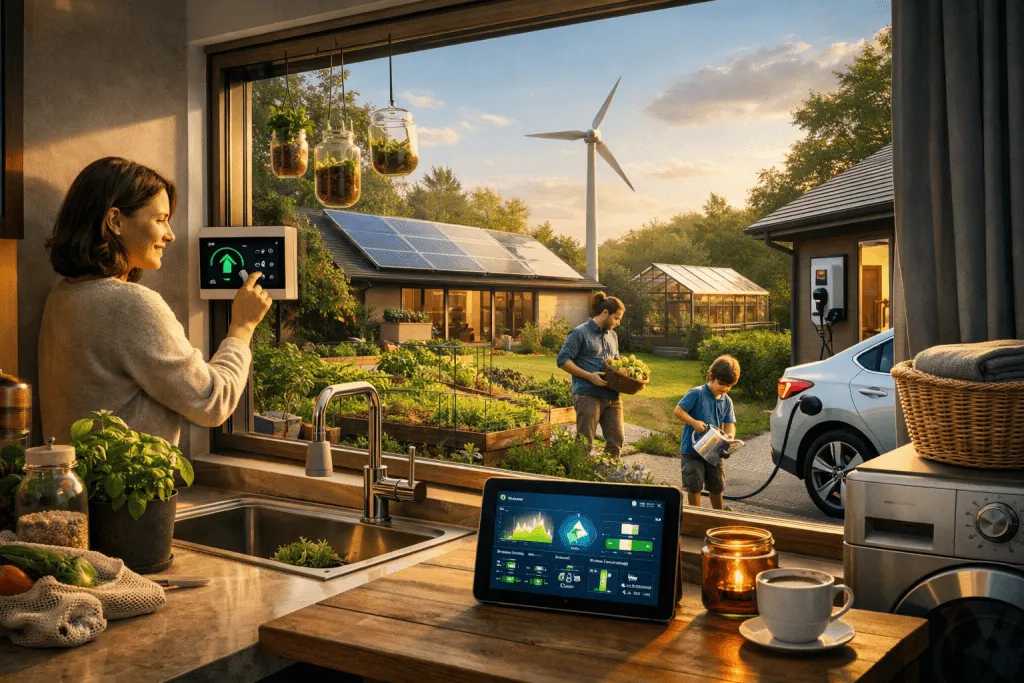
Modern households are under increasing pressure to reduce energy use, cut waste, and manage costs without sacrificing comfort. Implementing sustainable practices for home is no longer a niche lifestyle choice but a practical strategy for smarter living. Homeowners are looking for solutions that lower utility bills, improve indoor health, and reduce environmental impact at the same time. This guide explains structured, realistic steps to make a home more efficient and environmentally responsible.
Energy Efficiency as the Foundation of Sustainable Living
Energy consumption is the largest contributor to a home’s environmental footprint. Improving efficiency is the most immediate and measurable step in adopting sustainable practices for home environments. Small upgrades often generate significant long-term savings.
Start with lighting. Replacing incandescent bulbs with LED lighting reduces electricity use by up to 80 percent and extends bulb lifespan dramatically. LEDs also produce less heat, lowering cooling demand in warmer climates.
Next, evaluate appliances. Choose energy-efficient appliances with high performance ratings and lower annual energy consumption. Refrigerators, washing machines, and air conditioning systems are major energy users, so upgrading these provides measurable reductions in power use.
Home insulation also plays a critical role. Proper thermal insulation in walls, roofs, and floors prevents energy loss. Sealing air leaks around doors and windows improves indoor temperature stability and reduces HVAC workload.
For long-term investment, consider renewable energy systems such as rooftop solar panels. While initial installation costs can be significant, solar energy reduces reliance on fossil fuels and lowers electricity expenses over time.
Water Conservation and Responsible Usage
Water is often overlooked in sustainability discussions, yet residential water use significantly affects natural resources. Integrating water-saving measures strengthens sustainable practices for home operations.
Install low-flow fixtures such as showerheads, faucets, and dual-flush toilets. These systems reduce water consumption without compromising functionality. Over time, this lowers both water bills and wastewater generation.
Rainwater harvesting is another effective strategy. Collecting and storing rainwater for gardening, cleaning, or toilet flushing reduces dependence on treated municipal water. This practice is especially useful in regions with seasonal rainfall.
Landscaping choices matter as well. Replacing high-maintenance lawns with native or drought-resistant plants reduces irrigation needs. Sustainable landscaping minimizes chemical fertilizers and preserves local biodiversity.
Routine maintenance also prevents waste. Fixing leaks promptly and monitoring water usage through smart meters ensures that consumption stays within efficient limits.
Waste Reduction and Smart Material Choices
Household waste contributes heavily to landfill accumulation and greenhouse gas emissions. Applying waste-conscious habits is a central component of sustainable practices for home living.
Begin with waste segregation. Separate recyclables, organic waste, and non-recyclables. Proper sorting increases recycling efficiency and reduces landfill volume.
Composting is a practical solution for food scraps and biodegradable materials. A simple compost bin transforms organic waste into nutrient-rich soil for gardening. This reduces methane emissions from landfill decomposition.
When purchasing products, prioritize durable and reusable materials. Replace disposable items with long-lasting alternatives such as glass containers, cloth towels, and stainless steel bottles. Reducing single-use plastics directly lowers environmental harm.
Sustainable renovations also matter. Use eco-friendly building materials like bamboo flooring, reclaimed wood, and low-VOC paints. These materials reduce toxic emissions and promote healthier indoor air quality.
Mindful consumption is equally important. Buying only what is necessary and selecting products with minimal packaging supports long-term sustainability goals.
Smart Technology for Sustainable Homes
Technology enhances efficiency and simplifies monitoring. Smart systems are increasingly integrated into sustainable practices for home management.
A smart thermostat optimizes heating and cooling based on occupancy patterns. Automated adjustments reduce unnecessary energy use while maintaining comfort.
Smart lighting systems allow remote control and scheduling. Motion sensors ensure lights operate only when needed. This reduces electricity waste in unused spaces.
Energy monitoring devices provide real-time consumption data. Understanding usage patterns allows homeowners to identify inefficiencies and adjust behavior accordingly.
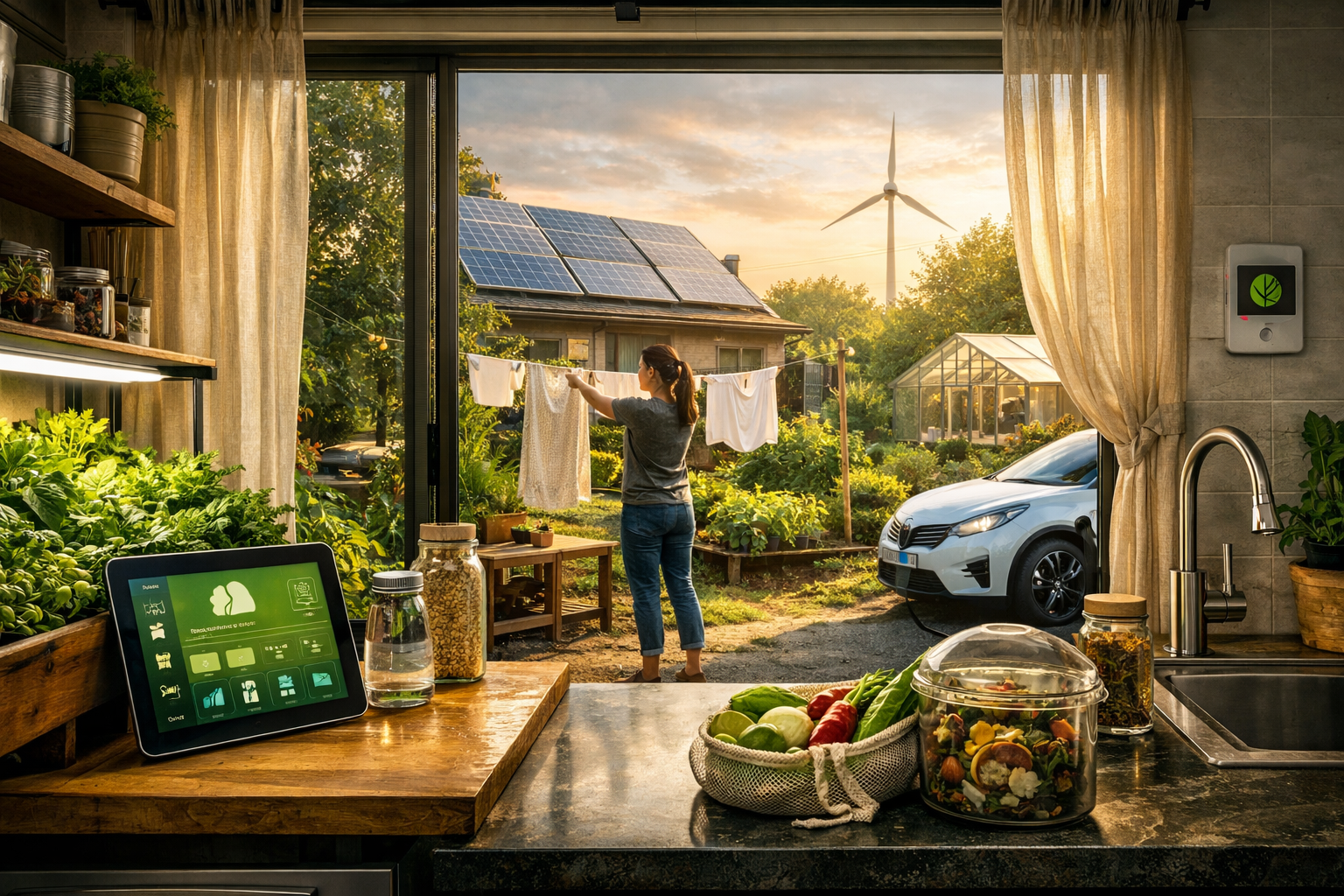
Water leak detectors and smart irrigation systems further improve resource management. Automated watering schedules adapt to weather conditions, preventing overuse.
Integrated smart home ecosystems create centralized control. By synchronizing appliances, lighting, and climate systems, homeowners gain precise control over resource consumption.
Healthy Indoor Environment and Sustainable Lifestyle Habits
Sustainability is not limited to energy and water. Indoor air quality and lifestyle habits are equally important within sustainable practices for home settings.
Choose non-toxic cleaning products to reduce chemical exposure. Many conventional cleaners release harmful volatile organic compounds. Switching to eco-friendly alternatives improves indoor air safety.
Increase natural ventilation whenever possible. Opening windows and using cross-ventilation strategies improves air circulation and reduces reliance on mechanical cooling systems.
Indoor plants also support healthier living environments. Certain plant species help filter pollutants and improve humidity balance.
Behavioral adjustments reinforce structural improvements. Turning off unused devices, reducing excessive heating or cooling, and practicing mindful consumption habits strengthen overall sustainability.
Sustainable food choices further support environmental goals. Preparing meals at home, minimizing food waste, and selecting locally sourced ingredients reduce carbon footprint and packaging waste.
Financial Benefits and Long-Term Value
Adopting sustainable practices for home management is not solely about environmental responsibility. It also delivers measurable financial benefits.
Energy-efficient upgrades reduce monthly utility expenses. Over time, these savings offset initial investment costs. Solar installations may qualify for tax incentives or government rebates in certain regions.
Sustainable homes often experience increased property value. Buyers are increasingly prioritizing efficiency and lower operating costs. Eco-friendly features enhance market appeal and long-term resale potential.
Reduced maintenance costs also contribute to financial stability. Durable materials and high-efficiency systems require fewer repairs and replacements.
Beyond financial returns, sustainability improves overall quality of life. Lower energy bills, cleaner air, and organized resource management create a stable and resilient household environment.
Sustainable practices for home living integrate energy efficiency, water conservation, waste reduction, smart technology, and responsible lifestyle habits. When implemented systematically, these practices reduce environmental impact, lower operational costs, and enhance long-term home value. Sustainable living is achieved through consistent improvements rather than drastic changes, creating a balanced and efficient home ecosystem.
FAQ
Q: What are sustainable practices for home? A: They are strategies that reduce energy use, conserve water, minimize waste, and improve indoor environmental quality to lower environmental impact and operating costs.
Q: Are sustainable home upgrades expensive? A: Some upgrades require upfront investment, but many low-cost changes such as LED lighting and water-saving fixtures deliver immediate savings.
Q: How can I reduce energy consumption at home quickly? A: Replace inefficient lighting, seal air leaks, adjust thermostat settings, and use energy-efficient appliances to achieve fast results.
Q: Do smart home devices really improve sustainability? A: Yes, smart systems optimize energy and water usage by automating and monitoring consumption patterns.
Q: Is sustainable living practical for small homes or apartments? A: Yes, many measures such as waste reduction, efficient lighting, and mindful consumption apply regardless of property size.
