
The Rise of Eco-Friendly Packaging: Innovations and Impacts
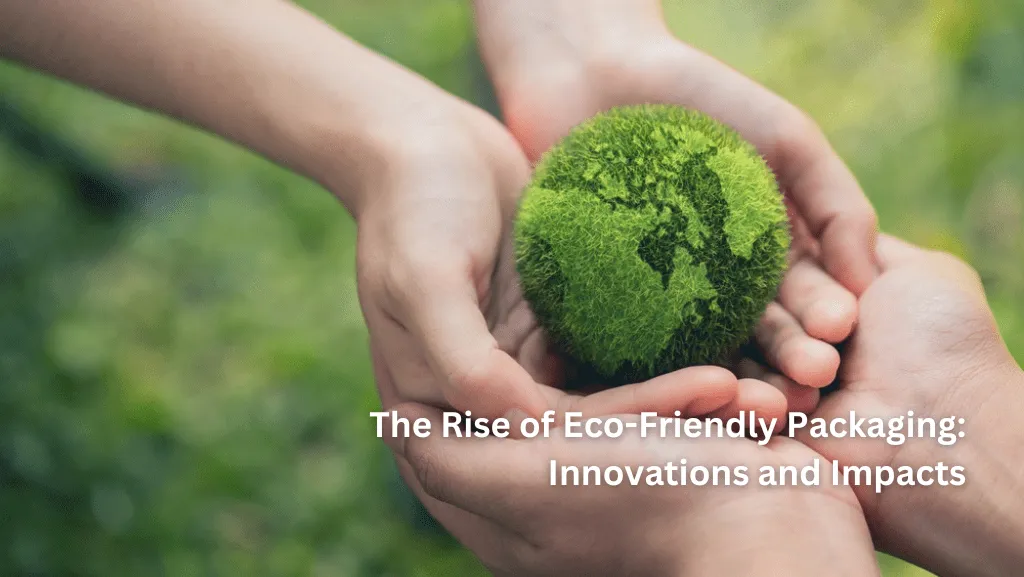
Welcome to a world where packaging is not just about protecting products, but also about protecting our planet. The rise of eco-friendly packaging is revolutionizing the way we package and consume goods, making sustainability an integral part of the modern business landscape. From innovative materials and designs to advancements in bioplastics, these sustainable packaging solutions are having a profound impact on both the environment and consumer behavior.
As the world becomes more aware of the ecological consequences of traditional packaging, the demand for eco-friendly alternatives continues to grow. Consumers are actively seeking products with environmentally conscious packaging, leading to a shift in industry practices and a wave of transformative innovations. This article will delve into the key trends and developments in sustainable packaging, exploring not only the technologies and materials used but also the positive impacts they have on our planet.
Join us on this journey as we explore the fascinating world of eco-friendly packaging. Discover the incredible advancements in sustainable materials and designs, uncover the potential of bioplastics and bio-based packaging, and examine the innovative solutions implemented by industries worldwide. We will also dive into the consumer perspective, understanding how their demand for sustainable packaging is shaping purchasing decisions and driving positive change.
Get ready to dive into a world of creativity, innovation, and environmental responsibility as we explore the rise of eco-friendly packaging, the remarkable innovations within the industry, and the far-reaching impacts on our planet.
Sustainable Packaging Materials and Designs
In today’s environmentally conscious world, sustainable packaging is becoming increasingly important. Companies are recognizing the need to use eco-friendly materials and innovative designs that minimize waste and promote sustainability.
Sustainable Packaging Materials
One of the key aspects of sustainable packaging is the use of packaging materials that are biodegradable, compostable, and recyclable. These materials have a significantly lower impact on the environment compared to traditional packaging materials.
- Biodegradable materials: These materials break down naturally in the environment, reducing their contribution to landfill waste. They include options such as bioplastics, paper, and plant-based materials.
- Compostable materials: Compostable materials can completely break down in industrial composting facilities, resulting in nutrient-rich organic matter. This includes materials like compostable plastics, paper, and certain bio-based materials.
- Recyclable materials: Packaging materials that are easily recyclable help reduce the demand for virgin materials and conserve resources. Common examples include glass, aluminum, cardboard, and certain types of plastics.
Creative Packaging Designs for Sustainability
In addition to sustainable materials, packaging designs play a crucial role in minimizing waste and promoting sustainability. Companies are adopting innovative designs that prioritize functionality, ease of recycling, and reusability.
- Minimalist packaging: Simplified packaging designs that eliminate unnecessary layers and components reduce material usage and waste.
- Reusable packaging: Designs that allow packaging to be reused for different purposes or refilled with new products help reduce single-use waste.
- Smart packaging: Incorporating technologies such as intelligent labels, QR codes, and RFID tags can optimize logistics, reduce food waste, and improve supply chain efficiency.
- Compact packaging: Efficient packaging designs that minimize the use of materials while still protecting the product during transportation and storage.
By utilizing sustainable packaging materials and implementing creative designs, companies can contribute to a more sustainable future. These initiatives not only have a positive impact on the environment but also resonate with consumers who are increasingly conscious of the packaging choices they make.
Advancements in Bioplastics and Bio-Based Packaging
As the world becomes increasingly aware of the environmental impacts of traditional plastics, the demand for sustainable packaging solutions has surged. In response to this growing need, advancements in bioplastics and bio-based packaging have emerged as innovative alternatives.
Bioplastics: A Renewable Solution
Bioplastics are derived from renewable resources such as plant starches, agricultural by-products, and even algae. These materials offer a sustainable alternative to petroleum-based plastics, which are derived from non-renewable fossil fuels.
- Bioplastics can be categorized into two main types: bio-based and biodegradable.
- Bio-based bioplastics are made from renewable resources and can be derived from plants such as corn, sugarcane, and soybeans.
- Biodegradable bioplastics have the ability to break down naturally under specific conditions, reducing their environmental impact.
Unlocking the Potential of Bio-Based Packaging
Bio-based packaging refers to packaging materials that are derived from renewable resources. These materials can include bio-based polymers, fiber-based solutions, and even bio-composites.
- Bio-based polymers are made from renewable sources such as corn, sugarcane, and cellulose, offering a more sustainable alternative to traditional plastics.
- Fiber-based solutions utilize natural fibers like bamboo or hemp, providing a renewable and biodegradable option for packaging.
- Bio-composites combine natural fibers with bio-based polymers, creating materials that are both strong and environmentally friendly.
These advancements in bioplastics and bio-based packaging have the potential to make a significant impact on reducing carbon footprint and plastic pollution. By utilizing renewable resources and promoting biodegradability, these sustainable solutions help to create a more circular economy and mitigate the detrimental effects of traditional plastics on the environment.
Innovative Sustainable Packaging Solutions in Industry
In today’s rapidly evolving world, industries are recognizing the importance of adopting sustainable packaging solutions. By implementing eco-friendly packaging practices, companies are not only reducing their environmental impact but also enhancing their brand image and consumer perception.
1. Case Studies:
- Company A: By replacing traditional plastic packaging with biodegradable materials, Company A has significantly reduced its carbon footprint. This innovative approach has garnered positive feedback from environmentally conscious consumers.
- Company B: Through the implementation of creative packaging designs, Company B has successfully minimized waste generation. Their packaging not only protects the product but also promotes recycling and reuse.
- Company C: By utilizing compostable packaging materials, Company C has embraced a circular economy model. This sustainable practice resonates with consumers who prioritize environmental sustainability.
2. Industry Innovations:
- Food and Beverage Industry: With a growing demand for sustainable packaging solutions, companies in the food and beverage industry are focusing on utilizing recyclable and biodegradable materials. This leads to reduced plastic pollution and a more positive brand perception.
- Cosmetics and Personal Care Industry: Brands in this industry are exploring innovative packaging alternatives such as refillable containers and biodegradable materials. By doing so, they are meeting consumer expectations for environmentally friendly products.
- E-commerce Industry: E-commerce giants are embracing sustainable packaging by utilizing minimalist designs and optimizing packaging sizes. These initiatives not only reduce material waste but also result in cost savings and improved shipping efficiency.
By adopting innovative sustainable packaging solutions, industries are setting a positive example for others to follow. This shift towards eco-friendly practices not only benefits the environment but also improves brand loyalty and consumer trust.
Consumer Perspectives and the Demand for Eco-Friendly Packaging
As sustainability becomes an increasingly important factor in consumer decision-making, the demand for eco-friendly packaging is on the rise. Consumers are not only recognizing the need for more sustainable practices but actively seeking out products that align with their environmental values.
From the perspective of consumers, sustainability is no longer just a buzzword; it has become a central consideration in their purchasing decisions. Many consumers are now more inclined to support brands that prioritize eco-friendly packaging, as it reflects a commitment to reducing their environmental impact.
Changing Consumer Mindset
- Consumers are becoming more aware of the harmful effects of plastic waste on the environment and are actively seeking alternatives to traditional packaging materials.
- They are looking for packaging solutions that are biodegradable, compostable, and recyclable, thereby minimizing their contribution to landfill and ocean pollution.
- The desire for eco-friendly packaging is also motivated by a growing concern for climate change and the need to reduce carbon emissions.
Willingness to Pay More
- Consumer surveys have consistently shown that a significant percentage of shoppers are willing to pay a premium for products packaged sustainably.
- This willingness to pay more is driven by the belief that eco-friendly packaging reflects a higher level of quality, social responsibility, and ethical standards.
- Consumers perceive brands that prioritize eco-friendly packaging as trustworthy and environmentally conscious, which creates a positive brand image and fosters loyalty.
The Role of Packaging
- Packaging plays a vital role in shaping consumer perceptions and influencing purchasing decisions.
- Eco-friendly packaging not only appeals to sustainability-minded consumers but also serves as a visual representation of a brand’s values and commitment to the environment.
- By incorporating sustainable packaging solutions, brands can differentiate themselves in the market, attract environmentally conscious consumers, and gain a competitive edge.
The increasing consumer demand for eco-friendly packaging is driving brands and businesses to adopt more sustainable practices and develop innovative packaging solutions. As the market continues to evolve, it is evident that consumer perspectives on sustainability and their demand for eco-friendly packaging will play a vital role in shaping the future of packaging industry.
Conclusion
Throughout this article, we have explored the rise of eco-friendly packaging and the numerous innovations in this field. The increasing demand for sustainable packaging solutions has driven companies to adopt materials and designs that prioritize environmental conservation.
By using biodegradable, compostable, and recyclable materials, businesses are not only reducing their carbon footprint but also minimizing waste and promoting a circular economy. Additionally, advancements in bioplastics and bio-based packaging have shown immense potential in replacing traditional plastics, leading to a significant reduction in plastic pollution.
The adoption of sustainable packaging solutions by industries has also created a positive impact on their brand image and consumer perception. Consumers are increasingly conscious of the environmental consequences of their choices and are more likely to support brands that align with their sustainability values. Packaging plays a crucial role in consumer decisions, and eco-friendly packaging has become a significant factor in their purchasing choices.
In conclusion, the rise of eco-friendly packaging is not just a trend; it is a necessity for our planet’s well-being. Sustainable packaging innovations have the potential to drive positive change and pave the way for a more environmentally conscious future. As consumers and businesses continue to prioritize sustainability, we can collectively create a world where packaging is not only functional but also sustainable and future-friendly.
FAQ
What is eco-friendly packaging?
Eco-friendly packaging refers to packaging materials and designs that have a reduced impact on the environment compared to traditional packaging options. These materials are often biodegradable, compostable, or recyclable, and they are manufactured using sustainable practices to minimize carbon footprint and waste.
Why is eco-friendly packaging important?
Eco-friendly packaging is important because it helps to mitigate the negative environmental impacts caused by the production, use, and disposal of traditional packaging materials. It reduces the amount of waste that ends up in landfills, decreases energy consumption and greenhouse gas emissions, and promotes the efficient use of resources.
What are some examples of sustainable packaging materials?
There are several sustainable packaging materials available, including biodegradable plastics, plant-based plastics, paper, cardboard, and glass. These materials are renewable, recyclable, or compostable, and they are designed to have a minimal impact on the environment throughout their lifecycle.
How can eco-friendly packaging benefit businesses?
Adopting eco-friendly packaging can benefit businesses in several ways. It can improve brand image and reputation by showcasing the company’s commitment to sustainability. It can also attract environmentally conscious consumers who are willing to pay more for products packaged in an eco-friendly manner. Additionally, eco-friendly packaging solutions can lead to cost savings in the long run by reducing material usage and waste disposal expenses.
Are eco-friendly packaging options more expensive?
While eco-friendly packaging options may initially have a higher upfront cost compared to traditional packaging, they can lead to cost savings over time. For example, by using materials that are recycled or can be recycled, businesses can reduce the need to purchase new packaging materials. Additionally, eco-friendly packaging can attract customers who are willing to pay a premium for sustainable products, potentially increasing sales and revenue.
How can consumers contribute to the rise of eco-friendly packaging?
Consumers can contribute to the rise of eco-friendly packaging by making conscious purchasing decisions. This includes choosing products that are packaged using sustainable materials and designs, supporting brands that prioritize sustainability, and recycling or composting packaging materials whenever possible. By demonstrating a demand for eco-friendly packaging, consumers can drive companies to adopt more sustainable practices.
