
Top Eco-Friendly Packaging Alternatives for a Greener Future
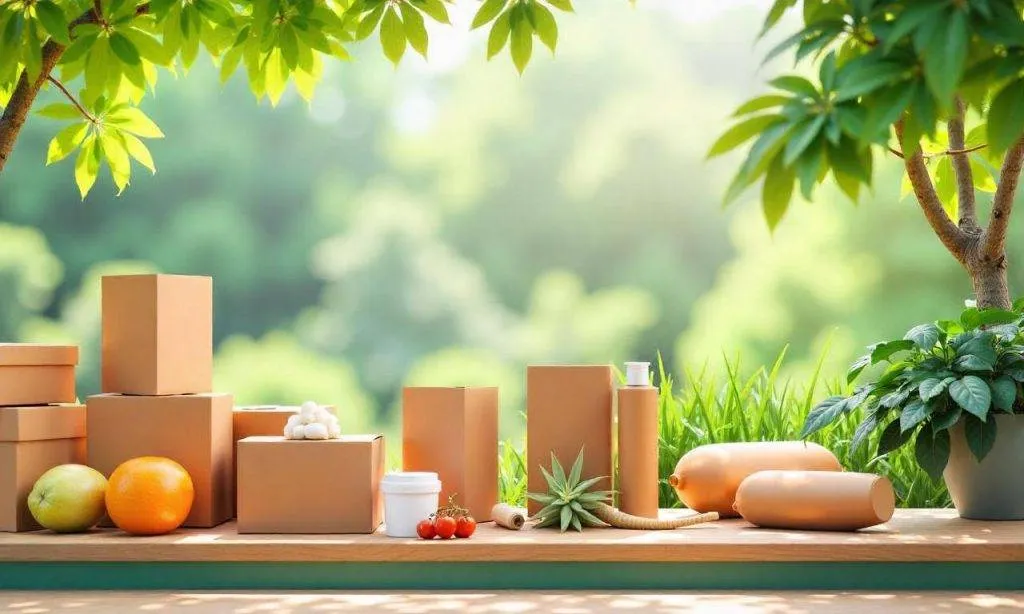
In today’s rapidly evolving world, environmental sustainability has become a top priority for businesses, consumers, and governments alike. As the global community grapples with the consequences of plastic waste, carbon emissions, and resource depletion, the packaging industry is under increasing pressure to innovate. Traditional packaging materials like plastic, styrofoam, and single-use paper are being replaced by eco-friendly packaging alternatives that minimize environmental impact without compromising functionality. This shift is not just a trend—it’s a necessary step toward a more sustainable future. In this article, we’ll explore the eco-friendly packaging alternatives that are leading the charge in reducing waste, conserving resources, and supporting circular economy principles.
The Growing Need for Sustainable Packaging Solutions
The packaging industry is a major contributor to global waste, with over 300 million tons of plastic produced annually, much of which ends up in landfills or oceans. As awareness of environmental issues grows, so does the demand for eco-friendly packaging alternatives that can replace these harmful materials. Sustainable packaging not only reduces pollution but also helps businesses save costs in the long run by lowering waste disposal expenses and appealing to eco-conscious consumers.
The eco-friendly packaging alternatives market is expanding rapidly, driven by consumer preferences, regulatory changes, and corporate social responsibility initiatives. Companies are now investing in research and development to create materials that are biodegradable, recyclable, or reusable. These innovations are reshaping supply chains and redefining how products are protected, transported, and presented.
One of the key benefits of eco-friendly packaging alternatives is their ability to decompose naturally, reducing the long-term impact of packaging waste. Unlike conventional plastics, which can take hundreds of years to break down, biodegradable materials often decompose within months under the right conditions. This makes them an attractive option for industries that prioritize environmental stewardship.
Additionally, eco-friendly packaging alternatives can help reduce carbon footprints. For example, materials made from renewable resources such as plant-based polymers or recycled paper require less energy to produce compared to petroleum-based plastics. This not only lowers greenhouse gas emissions but also supports the conservation of natural resources.
Exploring Biodegradable Materials as Eco-Friendly Packaging Alternatives
Biodegradable materials are among the most promising eco-friendly packaging alternatives available today. These materials break down naturally into organic components, leaving minimal traces in the environment. Unlike traditional plastics, which persist for centuries, biodegradable options offer a sustainable solution that aligns with the principles of environmental conservation.
Compostable Materials: A Step Toward Zero Waste
Compostable materials are a subset of biodegradable packaging that can be broken down into nutrient-rich soil within a specific timeframe. These materials are often made from plant-based sources such as cornstarch, sugarcane, or potato starch. For instance, PLA (Polylactic Acid) is a biodegradable polymer derived from fermented plant sugars. It is commonly used in eco-friendly packaging alternatives like food containers, compostable bags, and even coffee cups.
One of the key advantages of compostable materials is their ability to decompose in industrial composting facilities, where they are exposed to high temperatures and humidity. This process ensures that they do not release harmful microplastics or toxic chemicals into the environment. However, it’s important to note that compostable packaging may require specific conditions to break down effectively. For example, materials like PLA need industrial composting rather than home composting to fully decompose.
Another popular compostable material is PHA (Polyhydroxyalkanoates), which is produced by microorganisms through fermentation. PHA-based packaging is completely biodegradable and can even break down in marine environments, making it an ideal choice for ocean-friendly packaging. While these materials are still in the early stages of mass adoption, their potential to eliminate single-use waste is undeniable.
Plant-Based Materials: Harnessing Nature’s Resources
Plant-based materials are a versatile category of eco-friendly packaging alternatives that are gaining traction in the market. These materials are derived from renewable sources such as hemp, bamboo, sugarcane, and wheat straw. By utilizing plant-based resources, manufacturers can significantly reduce their reliance on fossil fuels and lower carbon emissions. Hemp paper is one of the most sustainable plant-based packaging options. It is produced from the fibrous stalks of the hemp plant, which requires less water and pesticides compared to traditional cotton. Hemp paper is not only biodegradable but also durable, making it suitable for corrugated boxes, wrapping paper, and even food packaging. This material is particularly effective for companies looking to reduce their environmental footprint while maintaining product protection. Bamboo-based packaging is another eco-friendly option that stands out for its strength and rapid growth rate. Bamboo is a highly renewable resource that grows in just a few months without needing excessive water or fertilizers. It is used to create containers, cutlery, and even biodegradable textiles for packaging. The key advantage of bamboo is its ability to decompose quickly in natural environments, making it a viable eco-friendly packaging alternative for short-term use.
In addition to hemp and bamboo, sugarcane-based packaging is becoming increasingly popular, especially in the food and beverage industry. Sugarcane is used to produce eco-friendly packaging alternatives such as biodegradable straws, cutlery, and even compostable bottles. These materials are not only sustainable but also offer a competitive edge in terms of cost and performance.
Bioplastics: A Sustainable Substitute for Conventional Plastics
Bioplastics are a type of eco-friendly packaging alternative that are made from renewable biomass sources, such as corn starch, sugarcane, or vegetable oils. These materials are designed to mimic the properties of traditional plastics but with a much lower environmental impact. Unlike petroleum-based plastics, bioplastics can be composted or recycled, making them a popular choice for companies seeking to reduce their carbon footprint.
One of the most well-known bioplastics is PLA (Polylactic Acid), which is used in a variety of applications, including eco-friendly packaging alternatives like food containers, blister packs, and disposable cutlery. PLA is derived from corn starch and is fully biodegradable under industrial composting conditions. However, it is important to note that PLA may not break down as quickly in home composting environments.
Another innovative bioplastic is PBAT (Polybutylene Adipate Terephthalate), which is often blended with other biodegradable materials to enhance flexibility and durability. PBAT is commonly used in eco-friendly packaging alternatives such as flexible packaging films and packaging for perishable goods. Its ability to decompose in both industrial and home composting settings makes it a more versatile option compared to PLA.
Bioplastics also offer a solution for reducing microplastics, which are a major concern in marine ecosystems. By using bioplastics, companies can significantly lower the risk of microplastics entering the environment, contributing to a healthier planet.
Reusable Packaging: Building a Circular Economy
Reusable packaging represents a transformative approach to eco-friendly packaging alternatives, emphasizing the reuse of materials to minimize waste and conserve resources. Unlike single-use packaging, which is discarded after one application, reusable options are designed for multiple cycles, reducing the need for constant production of new materials.
Returnable Containers: A Proven Model
Returnable containers are a classic example of eco-friendly packaging alternatives that have been successfully implemented in various industries. These containers are collected, cleaned, and reused for multiple shipments, significantly cutting down on waste. For instance, eco-friendly packaging alternatives like glass bottles or metal cans are commonly used in beverage industries, where consumers or businesses return them after use.
The key advantage of returnable containers is their ability to reduce single-use plastic consumption. Companies like Coca-Cola and PepsiCo have introduced eco-friendly packaging alternatives such as returnable bottles in certain markets, encouraging a more sustainable approach to packaging. These systems often rely on deposit return schemes, which incentivize consumers to recycle.
However, returnable packaging requires a well-organized logistics network to ensure efficient collection and cleaning. This can be a challenge for smaller businesses, but advancements in technology and automation are making it more feasible. The success of returnable containers depends on consumer participation and infrastructure support, but their long-term benefits are clear.
Modular Systems: Customizable and Efficient
Modular packaging systems are an innovative eco-friendly packaging alternative that allows for flexibility and efficiency in design. These systems consist of interchangeable components that can be reused or repurposed, reducing the need for single-use materials. For example, modular packaging is commonly used in e-commerce, where companies like IKEA and Amazon have adopted eco-friendly packaging alternatives that can be disassembled and reused for different products.
The key advantage of modular systems is their ability to reduce material waste by allowing components to be shared across multiple products. This not only cuts down on the amount of packaging used but also lowers transportation costs by minimizing the size and weight of individual packages. Modular packaging is particularly beneficial for industries with high variability in product sizes and shapes.
Additionally, modular systems can be tailored to meet specific needs, making them a versatile eco-friendly packaging alternative. For instance, companies can design packaging that adapts to different product dimensions or uses, ensuring optimal resource utilization. This level of customization supports sustainable practices while maintaining product protection and convenience.
Rental Schemes: Encouraging Long-Term Use
Rental packaging schemes are another effective eco-friendly packaging alternative that promotes reuse and reduces waste. In this model, businesses rent containers or packaging materials from suppliers, who then collect, clean, and redistribute them for future use. This approach is commonly seen in the food and beverage industry, where reusable containers are used for bulk storage and transportation.
The key advantage of rental schemes is their ability to extend the life of packaging materials indefinitely. For example, eco-friendly packaging alternatives like reusable plastic crates or wooden pallets are often rented for shipping goods, eliminating the need for single-use packaging. This model not only reduces waste but also lowers the overall cost of packaging over time.
Rental schemes are also beneficial for businesses looking to improve their sustainability credentials. By adopting eco-friendly packaging alternatives that prioritize reuse, companies can demonstrate their commitment to environmental responsibility. This can enhance brand reputation and attract eco-conscious consumers who value sustainable practices.
Recyclable Materials: Ensuring Long-Term Sustainability
Recyclable materials are a cornerstone of eco-friendly packaging alternatives, as they can be processed and reused multiple times, significantly reducing the need for virgin resources. Unlike biodegradable or reusable options, recyclable materials retain their structural integrity after being processed, making them ideal for long-term use in packaging.
Paper-Based Packaging: A Versatile and Durable Option
Paper-based packaging is one of the most widely adopted eco-friendly packaging alternatives due to its versatility and durability. Materials like corrugated cardboard, paperboard, and recycled paper are commonly used in a variety of applications, from shipping boxes to food containers. The <strong>key advantage</strong> of paper-based packaging is its ability to be easily recycled and composted, making it a sustainable choice for both businesses and consumers.
One of the standout features of eco-friendly packaging alternatives made from paper is their lightweight nature, which reduces transportation emissions. For example, eco-friendly packaging alternatives like paper pouches or kraft paper wraps are used in retail and food industries to replace plastic bags. These materials are also biodegradable, offering an additional environmental benefit.
Moreover, paper-based packaging can be customized to meet specific design requirements. This allows companies to create eco-friendly packaging alternatives that are both functional and aesthetically pleasing. The use of paper-based materials also supports the circular economy by enabling the materials to be reused or repurposed after the initial packaging cycle.
Glass and Metal: Long-Lasting and Recyclable
Glass and metal are highly recyclable materials that are often used in eco-friendly packaging alternatives. These materials are not only durable but also infinitely recyclable, meaning they can be processed and reused without losing quality. For example, eco-friendly packaging alternatives like glass jars and metal cans are used in food and beverage industries, where they provide a sustainable solution for long-term storage.
The key advantage of glass and metal is their ability to withstand multiple recycling cycles. Unlike plastics, which can degrade over time, these materials can be melted down and reshaped into new products with minimal loss of quality. This makes them an excellent choice for industries aiming to reduce their environmental impact while maintaining product integrity.
Glass packaging is particularly popular for items that require airtight or vacuum-sealed environments, such as preserves or baked goods. Metal packaging, on the other hand, is often used for products like beverages or canned goods, offering both strength and sustainability. Both materials are eco-friendly packaging alternatives that support long-term environmental goals.
Aluminum Packaging: Lightweight and Sustainable
Aluminum is another eco-friendly packaging alternative that is gaining momentum due to its lightweight nature and high recyclability. Aluminum cans and containers are used in the food and beverage industry, where they offer a sustainable solution for packaging. The <strong>key advantage</strong> of aluminum is its ability to be recycled at a high rate, reducing the need for new raw materials.
Aluminum packaging is not only recyclable but also energy-efficient to produce compared to other materials. For example, eco-friendly packaging alternatives like aluminum trays or containers are used for perishable goods, providing a sustainable and durable option. This material is particularly beneficial for companies looking to reduce their carbon footprint while maintaining product protection.
Additionally, aluminum can be easily shaped and customized, making it a versatile eco-friendly packaging alternative for various industries. Its ability to be reused multiple times supports the circular economy and reduces the environmental impact of packaging waste.
Innovative Packaging Solutions: The Future of Eco-Friendly Alternatives
The packaging industry is constantly innovating to develop eco-friendly packaging alternatives that meet the demands of a sustainable future. These cutting-edge solutions often combine technology with natural materials to create packaging that is not only environmentally friendly but also highly functional.
Mushroom Packaging: A Natural and Biodegradable Option
Mushroom packaging is one of the most innovative eco-friendly packaging alternatives available today. Made from mycelium (the root system of mushrooms) and agricultural byproducts like corn stalks or husks, this material is fully biodegradable and compostable. The <strong>key advantage</strong> of mushroom packaging is its ability to break down into organic matter within weeks, leaving no toxic residues in the environment.
This type of packaging is gaining popularity in the food and beverage industry, where it is used for items like meat packaging, coffee cups, and even pizza boxes. The eco-friendly packaging alternative is not only sustainable but also lightweight, which reduces transportation emissions. Additionally, mushroom packaging offers a natural and renewable solution, making it an ideal choice for companies seeking to reduce their environmental impact.
One of the most notable benefits of mushroom packaging is its versatility. It can be molded into various shapes and sizes, allowing for creative and functional eco-friendly packaging alternatives. This makes it a valuable option for industries that require custom packaging solutions.
Seaweed-Based Packaging: A Marine-Friendly Innovation
Seaweed-based packaging is another emerging eco-friendly packaging alternative that is making waves in the sustainability space. Derived from seaweed, this material is not only biodegradable but also ocean-friendly, as it can decompose in marine environments without harming aquatic life. The <strong>key advantage</strong> of seaweed-based packaging is its rapid growth rate, which ensures a renewable and sustainable supply chain.
This type of packaging is being used in the food industry for items like sushi wrappers, pizza boxes, and food containers. The eco-friendly packaging alternative is also gaining traction in the pharmaceutical and cosmetics industries, where it offers a biodegradable and compostable solution. Seaweed-based materials are particularly effective for short-term packaging applications, as they can break down quickly in natural environments.
Another benefit of seaweed-based packaging is its ability to replace plastic in a variety of ways. For example, eco-friendly packaging alternatives made from seaweed are being used as compostable films, offering a sustainable solution for packaging that would otherwise be single-use.
Edible Packaging: The Ultimate Sustainable Option
Edible packaging represents a groundbreaking eco-friendly packaging alternative that is revolutionizing the way we think about product protection. Made from natural ingredients like rice, seaweed, or starch, edible packaging can be consumed after use, eliminating the need for disposal. This innovative approach not only reduces waste but also offers a unique and engaging experience for consumers.
Edible packaging is currently being used in the food industry for items like chocolate wrappers, dairy containers, and even sushi packaging. The eco-friendly packaging alternative is particularly effective for short-term use, as it provides a disposable yet sustainable solution. For example, edible films made from seaweed are being used to wrap fruits and vegetables, reducing plastic waste while keeping the produce fresh.
The key advantage of edible packaging is its ability to completely dissolve or be eaten after use, making it an ideal choice for single-use applications. While this technology is still in its early stages, its potential to transform the packaging industry is immense.
Conclusion
The adoption of eco-friendly packaging alternatives is essential for building a more sustainable future. From biodegradable and compostable materials to reusable systems and recyclable options, these solutions offer a range of benefits that reduce environmental impact while maintaining functionality. Innovative materials like mushroom packaging, seaweed-based solutions, and edible alternatives are pushing the boundaries of what is possible in sustainable packaging.
By integrating eco-friendly packaging alternatives into their operations, businesses can significantly reduce waste, lower carbon emissions, and appeal to eco-conscious consumers. This shift not only supports environmental conservation but also aligns with global sustainability goals. As technology continues to advance, the future of packaging will be defined by its ability to protect products while minimizing harm to the planet.
Ultimately, the transition to eco-friendly packaging alternatives requires collaboration between manufacturers, consumers, and policymakers. With continued innovation and awareness, the packaging industry can play a crucial role in creating a greener future. By choosing sustainable options, we can ensure that the materials we use today do not compromise the health of our planet for generations to come.
