
Top Sustainable Waste Management Strategies for a Greener Future

In an era where environmental sustainability is no longer a luxury but a necessity, sustainable waste management strategies have become a cornerstone of efforts to reduce humanity’s ecological footprint. With global waste generation reaching unprecedented levels, the need for innovative and effective approaches to managing waste has never been more urgent. From plastic pollution to landfill overload, waste management plays a critical role in mitigating climate change, conserving natural resources, and promoting a healthier planet. This article explores the sustainable waste management strategies that are reshaping waste systems worldwide, offering actionable solutions for individuals, businesses, and governments to create a greener future.
The Role of Sustainable Waste Management in Combating Climate Change
Waste management is one of the most overlooked yet vital aspects of environmental sustainability. Every year, millions of tons of waste are generated globally, contributing significantly to greenhouse gas emissions and environmental degradation. Sustainable waste management strategies address this issue by integrating practices that minimize waste production, maximize resource recovery, and reduce the environmental impact of waste disposal. These strategies are essential for tackling climate change and achieving long-term environmental goals.
Reducing Waste at the Source
The most effective sustainable waste management strategies start with waste reduction at the source. By prioritizing prevention over disposal, individuals and organizations can drastically cut down the volume of waste that ends up in landfills or incinerators. One key approach is the adoption of zero-waste principles, which emphasize designing products, packaging, and processes to minimize waste generation. For instance, reusable packaging systems in retail and food service industries have shown promising results in reducing single-use plastic consumption.
Another vital sustainable waste management strategy is promoting circular economy practices. Unlike the traditional linear model of “take-make-dispose,” a circular economy focuses on reusing, repairing, and recycling materials to keep them in use for as long as possible. This not only reduces the demand for new resources but also lowers energy consumption and emissions associated with production. Recycling programs and product lifecycle management are examples of how this model can be implemented in both large-scale industries and everyday life.
Italics are used here to highlight the importance of systemic changes in waste management. By shifting from a consumption-driven mindset to one that values sustainability, we can create a more resilient and eco-friendly approach to handling waste.
Implementing Efficient Waste Collection and Sorting Systems
Once waste is generated, its efficient collection and sorting are crucial for maximizing recycling and composting rates. Sustainable waste management strategies often include the development of smart waste collection systems that optimize routes, reduce fuel consumption, and lower carbon emissions. These systems use data analytics and real-time monitoring to ensure that waste is collected promptly and processed efficiently.
Encouraging Community Participation
A key component of sustainable waste management strategies is community engagement. When individuals are educated about proper waste sorting and its benefits, they are more likely to participate in recycling programs and compost initiatives. For example, curbside recycling programs have proven successful in cities like San Francisco, where residents are required to separate recyclables from general waste. This community-driven approach ensures that waste is diverted from landfills and processed into valuable resources.
Technological Innovations in Sorting
Advanced technologies are also transforming waste collection and sorting. Automated sorting systems equipped with sensors and artificial intelligence can identify and separate materials such as paper, plastic, glass, and metal with remarkable accuracy. These systems not only speed up the process but also reduce contamination rates, making recycling more efficient. Additionally, smart bins with built-in sensors can alert waste management teams when they are full, preventing overflow and ensuring timely collection.
By investing in efficient waste collection and sorting systems, communities can significantly enhance their sustainable waste management strategies. These innovations make waste processing more cost-effective and environmentally friendly, paving the way for a cleaner and more sustainable future.
Enhancing Composting and Organic Waste Management
Organic waste constitutes a substantial portion of total waste, and its proper management is a critical part of sustainable waste management strategies. Composting, for instance, is a natural and effective way to turn food scraps and yard waste into nutrient-rich soil amendments. This process not only reduces the amount of organic waste sent to landfills but also decreases methane emissions, a potent greenhouse gas that contributes to climate change.
Composting in Urban and Rural Settings
In urban areas, community composting initiatives are gaining traction as a practical solution for managing organic waste. These programs allow residents to compost food waste at home or participate in local collection systems that gather compostable materials from households and businesses. In rural regions, agricultural composting can be integrated into farming practices to improve soil fertility and reduce the need for chemical fertilizers.
Expanding Composting Infrastructure
To support widespread composting, sustainable waste management strategies must include investments in composting infrastructure. This includes the establishment of industrial composting facilities that can handle large volumes of organic waste and convert it into usable compost. Additionally, vermiculture (composting using worms) is an emerging technique that offers a low-cost and low-maintenance alternative for small-scale composting.
By embracing composting and organic waste management, we can reduce the environmental impact of waste while creating valuable resources for agriculture and horticulture. This approach is a cornerstone of modern sustainable waste management strategies.
Promoting Waste-to-Energy Solutions and Recycling
Waste-to-energy (WTE) technologies represent a groundbreaking sustainable waste management strategy that transforms waste into a renewable energy source. These systems use incineration, gasification, or pyrolysis to convert non-recyclable waste into electricity, heat, or fuel. By doing so, WTE not only reduces the volume of waste but also provides a clean energy alternative that can help decrease reliance on fossil fuels.
Advancing Recycling Technologies
Recycling is another pillar of sustainable waste management strategies, and recent advancements in technology are making it more efficient and effective. High-tech recycling facilities now use automated sorting and chemical recycling to process complex materials like plastics and electronics. For example, plasma gasification can break down plastics into syngas, which is then used to generate power. Such innovations are critical for handling recyclable materials that were previously difficult to process.
Combining waste-to-energy solutions with recycling programs creates a comprehensive sustainable waste management strategy. This integrated approach ensures that as much waste as possible is recycled, while non-recyclable materials are converted into energy. Such synergy is particularly important for non-biodegradable waste like plastics and metals, which can’t be easily returned to the earth through natural processes.
By leveraging waste-to-energy and recycling technologies, we can turn waste into a resource that benefits both the environment and the economy. These strategies are essential for achieving sustainable waste management at scale.
The Importance of Policy and Education in Sustainable Waste Management
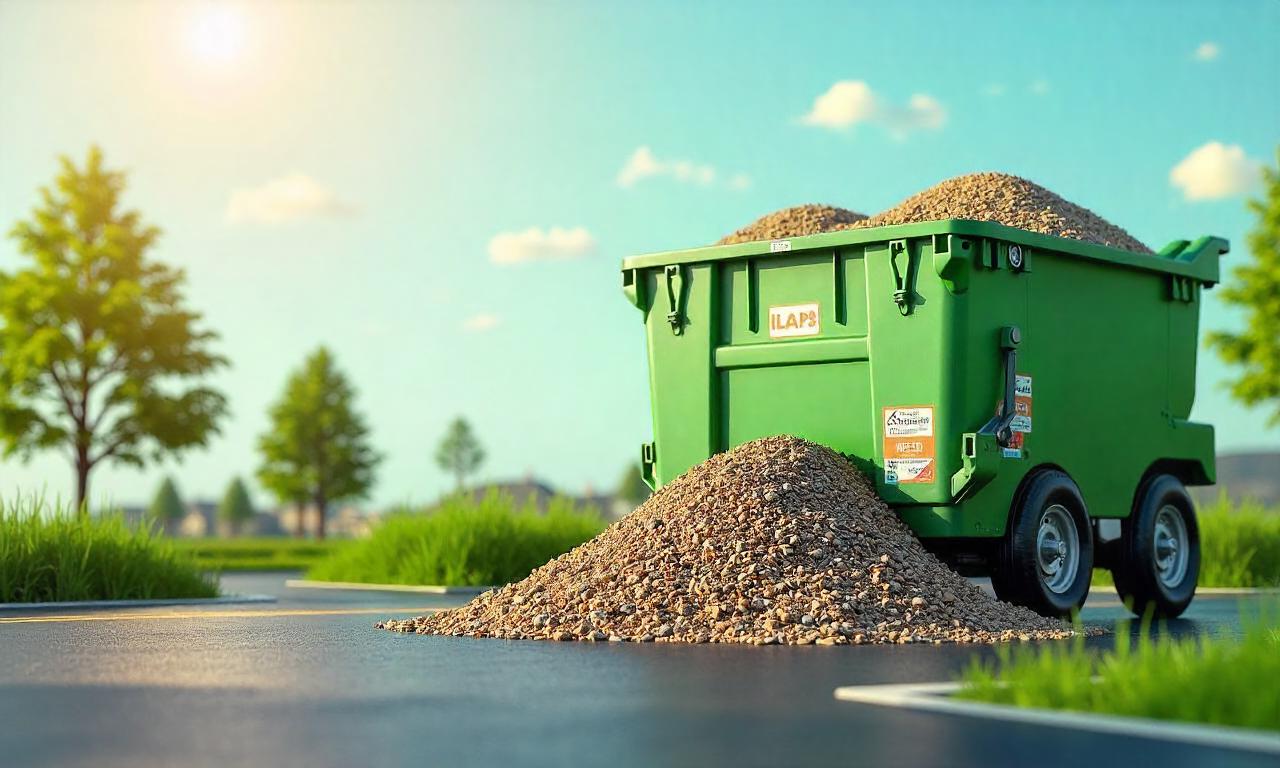
Government policies and public education are fundamental to the success of sustainable waste management strategies. Legislation that mandates waste separation, imposes recycling targets, or incentivizes eco-friendly practices can drive widespread adoption of sustainable methods. For example, extended producer responsibility (EPR) laws hold manufacturers accountable for the entire lifecycle of their products, encouraging them to design eco-friendly packaging and recyclable materials.
Public Awareness and Behavioral Change
Education is equally crucial in fostering sustainable waste management strategies. When people understand the environmental impact of their waste habits, they are more likely to make informed choices. Schools, community centers, and online platforms can play a significant role in spreading awareness about proper waste disposal, recycling benefits, and the importance of reducing waste.
Collaboration Between Stakeholders
Effective sustainable waste management strategies require collaboration between governments, businesses, and communities. Public-private partnerships can accelerate the development of waste management infrastructure, while community outreach programs ensure that residents are equipped with the knowledge and tools to participate in recycling and composting initiatives.
By combining policy frameworks with education and collaboration, societies can create a robust system for managing waste sustainably. These efforts are vital for achieving long-term environmental goals and ensuring that sustainable waste management strategies are implemented successfully.
The Economic Benefits of Sustainable Waste Management
Beyond its environmental advantages, sustainable waste management strategies also offer significant economic benefits. Efficient waste management reduces disposal costs and generates revenue through the reutilization of resources. For instance, recycling programs can lower the cost of raw materials for industries, making production more cost-effective.
Creating Jobs and Supporting Local Economies
Sustainable waste management strategies often lead to job creation in sectors such as recycling, composting, and waste-to-energy. These jobs not only provide employment opportunities but also contribute to local economies by fostering small businesses and innovation. In developing countries, waste collection and processing can be a labor-intensive industry that improves livelihoods while reducing waste.
Long-Term Cost Savings
Investing in sustainable waste management strategies yields long-term cost savings. For example, composting systems reduce the need for chemical fertilizers, cutting expenses for farmers and gardeners. Similarly, waste-to-energy facilities can provide renewable energy that offsets the need for fossil fuels, reducing energy costs and dependency on imported resources.
By recognizing the economic advantages of sustainable waste management, businesses and governments can justify the investment in these strategies. The financial returns and environmental benefits make sustainable waste management a win-win solution for both the planet and the economy.
Overcoming Challenges in Adopting Sustainable Waste Management Strategies
While sustainable waste management strategies offer numerous benefits, their implementation is not without challenges. One major hurdle is public resistance to change. Many people are accustomed to traditional waste disposal methods and may be hesitant to adopt new practices like composting or recycling. To overcome this, education campaigns and community engagement are essential.
Infrastructure and Funding Gaps
Another challenge is the lack of adequate infrastructure and funding for sustainable waste management systems. Developing countries often struggle with limited resources to invest in modern waste processing technologies and collection networks. However, international partnerships and government grants can help bridge these gaps, enabling the widespread adoption of sustainable waste management strategies.
Policy Consistency and Regulation
Consistent policy frameworks are also necessary to ensure the long-term success of sustainable waste management strategies. Inconsistent regulations can lead to fragmented efforts, reducing the overall impact of these initiatives. For example, uniform recycling standards across regions can improve waste sorting efficiency and resource recovery rates.
By addressing these challenges through collaboration, education, and policy reforms, we can create a more sustainable future. These steps are critical for ensuring that sustainable waste management strategies are implemented effectively and equitably.
The Future of Waste Management: A Path Toward Sustainability
As we look to the future, the integration of sustainable waste management strategies into everyday life and global policies will be key to achieving environmental sustainability. Advances in technology, data analytics, and community-driven initiatives are paving the way for more efficient and eco-friendly waste systems.
Embracing Innovation and Adaptation
The future of waste management lies in continuous innovation and adaptation. Smart waste systems, AI-driven sorting, and biodegradable materials are just some of the trends shaping the next generation of sustainable waste management strategies. These innovations not only reduce the environmental impact of waste but also create new opportunities for economic growth and resource conservation.
Global Cooperation for Long-Term Impact
To ensure the long-term success of sustainable waste management strategies, global cooperation is essential. International agreements and cross-border initiatives can help share best practices, reduce waste in developing nations, and standardize environmental policies. This collaborative effort will be crucial for addressing the global waste crisis and creating a greener future for all.
By committing to sustainable waste management strategies, we can take meaningful steps toward a more sustainable world. The path is clear: reduce, reuse, recycle, and innovate to protect our planet for future generations.
Conclusion In conclusion, sustainable waste management strategies are indispensable for addressing the global waste crisis and fostering a greener future. From waste reduction and recycling innovations to composting and waste-to-energy solutions, these strategies offer a holistic approach to managing waste in an environmentally responsible manner. By integrating policy reforms, technological advancements, and community engagement, individuals and organizations can work together to minimize environmental impact and maximize resource recovery. As we continue to prioritize sustainable waste management, we not only protect the planet but also create a more resilient and economically viable system for generations to come.
