
Why Composting is Great for the Planet: Eco-Friendly Impact
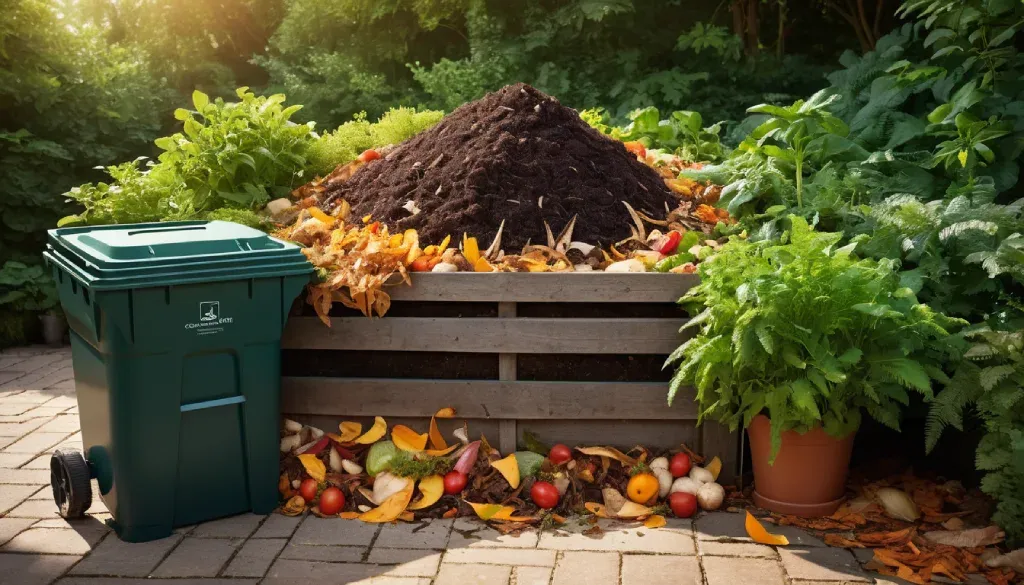
Discover why composting is great for the planet, exploring its benefits, how it enriches soil, reduces landfill waste, conserves water, and more.
In a world facing climate change, pollution, and diminishing resources, it’s crucial to find sustainable ways to care for our planet. A surprisingly effective, simple, and accessible way to do this is by composting.
Why composting is great for the planet may seem like an obvious question, but there’s much more to it than meets the eye.
Composting does more than reduce waste; it enriches soil, supports biodiversity, reduces the need for chemical fertilizers, and conserves water—all while contributing to climate change solutions.
This article dives into the multiple benefits of composting and why it’s time for us all to get on board for a greener future.
Why Composting is Great for the Planet
Composting has benefits that extend beyond your garden and can create positive changes on a global scale. Let’s explore why composting is great for the planet and how it can make a difference.
1. Reduces Landfill Waste
Did you know that organic waste, including food scraps and yard waste, makes up a significant portion of landfill content? When left to rot in landfills, this waste produces methane—a potent greenhouse gas that accelerates climate change.
Composting diverts this waste from landfills, offering a more eco-friendly solution by turning organic matter into valuable soil amendments rather than harmful pollutants.
The Environmental Protection Agency (EPA) estimates that food waste and yard trimmings make up over 30% of what we throw away.
When you compost, you reduce this volume, helping to alleviate the pressures on landfills and prevent environmental damage caused by landfill overflow and gas emissions.
- Quick Tip: Begin by collecting kitchen scraps like vegetable peels, coffee grounds, and eggshells in a compost bin. It’s a small step with big environmental impact.
2. Enriches Soil Naturally
One of the main reasons why composting is great for the planet is because it enhances soil quality without synthetic chemicals.
As organic materials decompose, they transform into humus—a dark, nutrient-rich substance that improves soil structure and fertility. This natural amendment boosts soil’s ability to retain water and nutrients, helping plants grow stronger and healthier.
Compost acts as a slow-release fertilizer, providing essential nutrients over time and reducing the risk of nutrient leaching, which is common with chemical fertilizers. Moreover, humus promotes root growth, enabling plants to access water and nutrients more efficiently.
- Interesting Fact: Unlike chemical fertilizers, which can harm the soil ecosystem, compost nourishes and stabilizes it, making it an eco-friendly alternative.
3. Reduces the Need for Chemical Fertilizers
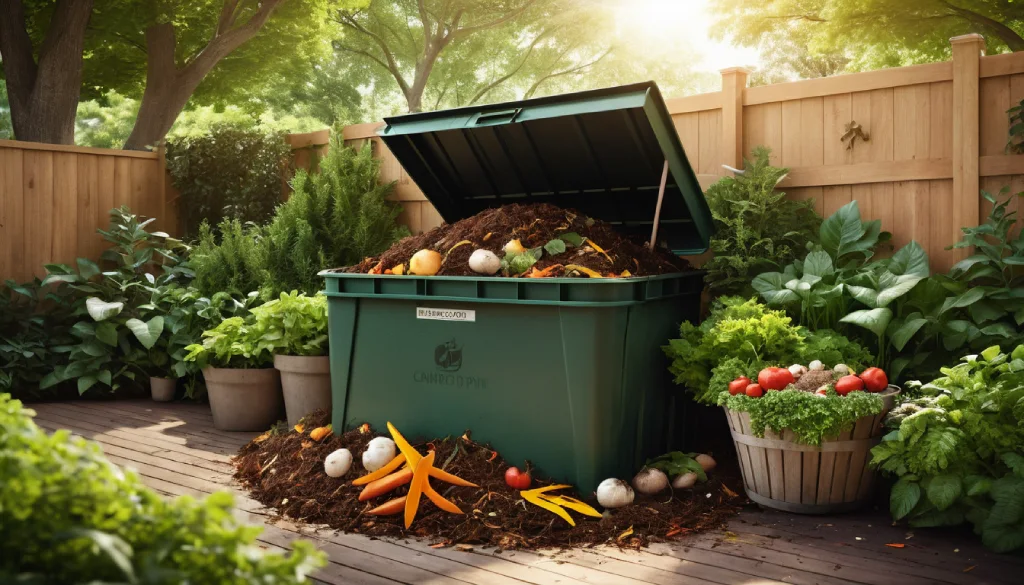
Compost is nature’s own fertilizer, eliminating the need for synthetic options that can harm both the soil and water systems.
Chemical fertilizers, often used in conventional agriculture, release excess nutrients into the soil, which eventually seep into water bodies, causing pollution and harm to aquatic life.
Using compost minimizes the dependency on chemical fertilizers, helping to keep our water clean and preventing soil degradation.
The nutrients in compost release slowly and naturally, matching the plants’ nutrient uptake rate, which reduces the likelihood of pollution.
- Did You Know? Composting not only saves you money on fertilizers but also protects local ecosystems from nutrient pollution.
4. Supports Microbial Life and Biodiversity
The soil is alive with organisms like bacteria, fungi, and worms that play a vital role in breaking down organic matter.
Composting fosters a thriving microbial ecosystem that encourages soil biodiversity, allowing beneficial organisms to flourish. This enhanced biodiversity supports plant health, aids in nutrient cycling, and builds soil resilience.
When compost is added to soil, it becomes a nutrient-rich medium that feeds these microbes, fostering a balanced ecosystem.
Healthy soil with diverse microbial life is more resilient to diseases, drought, and other environmental stresses, making it an essential part of sustainable agriculture.
- Quick Insight: Composting doesn’t just support plants; it builds a healthier ecosystem from the ground up, contributing to sustainable food production.
5. Conserves Water
Water conservation is becoming increasingly important, especially in arid and drought-prone regions. Compost improves soil structure, allowing it to retain water more effectively.
In areas where water scarcity is a concern, compost-enriched soil can significantly reduce the need for frequent watering, conserving this precious resource.
By increasing the soil’s ability to hold water, composting also prevents runoff, which means less soil erosion and fewer nutrients being washed away.
In this way, composting is a natural solution to improve soil health while reducing water usage, helping mitigate some of the water-related challenges farmers face.
- Pro Tip: Use compost around your plants to help retain moisture and reduce the frequency of watering, making your gardening efforts more eco-friendly.
6. Mitigates Climate Change
Reducing methane emissions, improving carbon sequestration, and decreasing reliance on fossil fuel-based fertilizers are a few ways composting directly benefits the planet’s climate. By diverting organic waste from landfills, composting reduces methane production, helping to curb greenhouse gas emissions.
Furthermore, compost-enriched soil can store carbon for extended periods, acting as a carbon sink. This process of carbon sequestration helps reduce the amount of CO₂ in the atmosphere, making composting a powerful tool in the fight against climate change.
- Eco Tip: Consider composting as a way to reduce your carbon footprint. It’s a small step with global implications for climate resilience.
7. Promotes Sustainable Food Systems
As compost supports plant growth and improves soil health, it plays a vital role in building sustainable food systems. Healthier soil yields better crops, leading to more nutritious food without relying on intensive agricultural inputs.
By closing the loop in our food systems—returning organic waste to the soil—composting creates a sustainable cycle that benefits both the planet and future generations.
With composting, we’re not only reducing waste but also supporting regenerative agricultural practices, which aim to restore and maintain healthy soils.
This shift toward a circular, sustainable food system is crucial as we work to address the environmental challenges associated with conventional agriculture.
- Sustainability Insight: When you compost, you’re contributing to a food system that values sustainability, soil health, and food security.
How to Get Started with Composting
Now that we’ve explored why composting is great for the planet, let’s look at how you can begin composting, even if you’re a beginner.
- Set Up a Compost Bin: Choose a compost bin that fits your space, whether it’s a simple pile in the backyard or a compact indoor compost bin.
- Gather Compostable Materials: Collect “greens” (e.g., vegetable scraps, coffee grounds) and “browns” (e.g., dry leaves, paper) to create a balanced compost mix.
- Maintain Proper Moisture: Add water as needed to keep the compost damp, like a wrung-out sponge, to help the breakdown process.
- Turn the Pile Regularly: Aerate the compost by turning it every few weeks to speed up decomposition.
- Monitor the Progress: Over time, your compost will break down into dark, crumbly humus. Once it’s ready, use it in your garden to enrich your soil.
Conclusion
Composting is a simple yet profound way to contribute to a healthier planet. Whether you’re reducing landfill waste, enriching soil, conserving water, or supporting biodiversity, composting offers environmental benefits that ripple far beyond your backyard.
Taking action now by starting your own composting setup is a positive step toward a greener future. For more insights and guidance on how to compost and protect the planet, check out ecorescuezone.com – a trusted source for sustainable living practices.
FAQs
Q: What types of materials can I compost?
A: You can compost fruit and vegetable scraps, coffee grounds, eggshells, dry leaves, shredded paper, and cardboard. Avoid meat, dairy, and oily foods as they can attract pests.
Q: How long does it take for compost to be ready?
A: Typically, compost can take anywhere from three months to a year to fully decompose, depending on factors like temperature, moisture, and how often you turn the pile.
Q: Can composting help reduce my household waste?
A: Yes, composting can significantly reduce household waste by recycling organic materials that would otherwise end up in landfills.
