
Germany’s Merz says easing of Russia sanctions is ‘wrong’
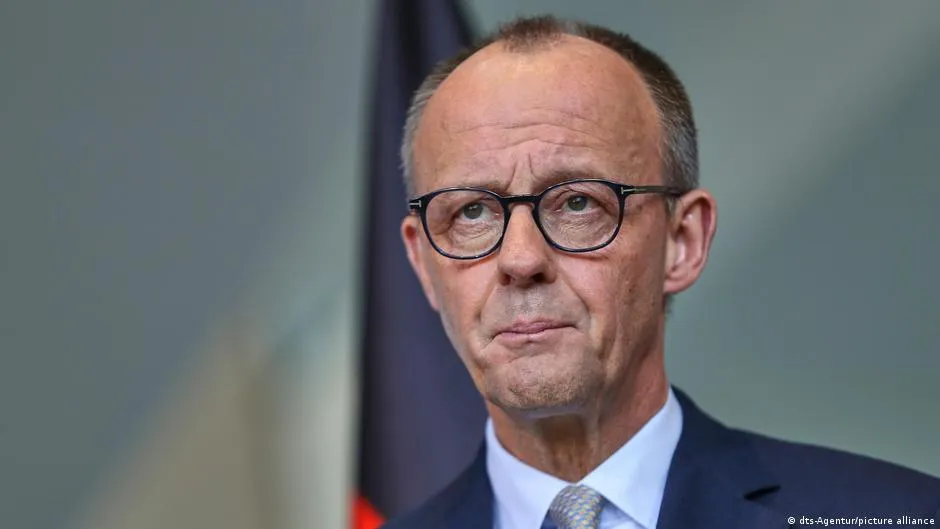
Germany’s Merz Condemns US Move to Relax Russia Sanctions
German Chancellor Friedrich Merz has criticized the U.S. decision to temporarily permit the sale of Russian oil under sanctions, calling it an ill-timed and misguided action. During his visit to Norway’s Andoya spaceport, Merz emphasized that easing restrictions now would undermine the message of continued pressure on Moscow. “Now is not the time to ease sanctions, for whatever reason,” he stated, highlighting concerns about the decision’s timing.
Timing and Motives Under Scrutiny
Merz questioned the rationale behind Washington’s choice, noting that the current oil price situation is not driven by supply shortages. “There is currently a price problem, but not a supply problem,” he explained, suggesting additional motivations behind the U.S. move. The chancellor also referenced recent discussions with U.S. President Donald Trump at the G7 summit, where six members had unanimously opposed the easing of sanctions. “We learned this morning that the U.S. government has apparently decided otherwise,” Merz remarked, reiterating that the decision is “wrong.”
“Once again, we believe this is the wrong decision,” Merz said. “There is currently a price problem, but not a supply problem. And in that regard, I would like to know what additional motives led the U.S. government to make this decision.”
Merz further stressed the importance of maintaining pressure on the Kremlin, stating that Moscow has shown no willingness to negotiate. He also confirmed Germany’s ongoing support for Ukraine in its conflict with Russia, adding that the Iran war would not divert attention from this commitment. “Germany and its allies will continue backing Ukraine,” he said, underscoring that the issue remains a priority.
Strait of Hormuz and Strategic Concerns
The chancellor ruled out Germany’s participation in a potential international military campaign targeting the Strait of Hormuz. Merz expressed skepticism about the U.S. strategy to end the war, stating that “concerns about Washington’s strategy on how to end the war haven’t really been answered.” He clarified, “Germany is not part of this war, and we do not want to become part of it,” emphasizing the country’s focus on sanctions and Ukraine support.
The U.S. Treasury’s decision to grant a temporary license for Russian crude oil sales until April 11 aims to stabilize global energy markets amid rising prices. Merz’s comments followed this move, reinforcing his stance that the easing of sanctions sends a conflicting signal in the context of the ongoing geopolitical tensions.
To view this video, enable JavaScript and upgrade to a web browser supporting HTML5 video. Merz said the topic had been explored and discussed with U.S. President Donald Trump at this week’s G7 meeting. “Six members of the G7 expressed a very clear view that this is not the right signal to send,” he added, highlighting the divided perspectives within the alliance.
