
Engaging with arts and culture can slow biological aging as much as exercise, study suggests
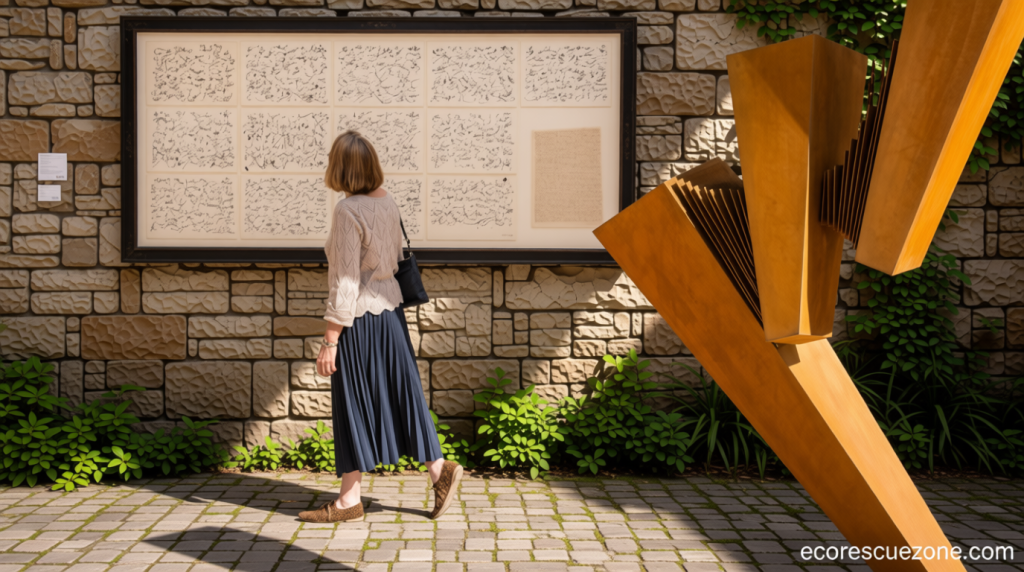
Arts Engagement May Slow Aging as Exercise, Study Finds
Engaging with arts and culture can slow – Participating in artistic and cultural activities could be as effective as physical exercise in slowing biological aging, according to a new study. Researchers from University College London (UCL) analyzed data from seven advanced aging clocks, which measure biological age through biomarkers like DNA methylation and metabolic indicators, across a diverse group of over 3,500 participants in the UK. The findings, published in the journal Innovation in Ageing, suggest that engaging with arts and culture may significantly impact the aging process, offering a novel approach to health maintenance.
How Arts and Culture Influence Cellular Aging
The study identified that both the frequency and range of arts-related activities contribute to a measurable reduction in biological age. Feifei Bu, a behavioral science researcher at UCL and co-author, explained that arts engagement encompasses multiple dimensions, from visual and emotional stimulation to physical movement and social interaction. “Our analysis shows that these activities work together to support health,” she said. The research builds on earlier studies linking cultural involvement to cognitive benefits, but this is the first to examine its effects on cellular aging.
Arts and culture activities were found to impact aging through distinct pathways. For instance, aesthetic experiences like art appreciation or music listening enhance neural plasticity, while participatory activities such as dancing or painting boost metabolic health. Social engagement through cultural events also fosters emotional resilience, which may indirectly influence biological markers. These combined effects were comparable to those of regular physical exercise, according to the study’s conclusions.
Comparing Health Outcomes of Arts and Exercise
The research team found that the benefits of cultural engagement and exercise are similar in slowing aging processes. “The effect sizes were nearly identical, indicating both activities promote comparable health advantages,” Bu noted. This was particularly evident in middle-aged and older adults, where consistent participation in arts and cultural events showed stronger correlations with reduced biological age. The study accounted for factors like income, education, and lifestyle to ensure the results were broadly applicable.
While the findings align with theoretical models about art’s health benefits, they offer concrete evidence. Bu acknowledged that the study’s design, which relied on longitudinal data, provides a more robust understanding of how arts engagement might influence aging. The results challenge the notion that physical exercise is the sole pathway to health, suggesting cultural activities could play a vital role in longevity strategies.
Expert Perspectives on the Study
“This research demonstrates that arts and culture aren’t just enriching—they’re essential to aging healthily,” said James Stark, a professor of medical humanities at the University of Leeds. He emphasized the study’s importance in linking cultural participation to biological outcomes, which could reshape public health priorities.
Eamonn Mallon, a professor of evolutionary biology at the University of Leicester, praised the study’s innovation but noted its limitations. “The work is groundbreaking, but we need more data to confirm causation,” he explained. “It’s possible that individuals who are already healthier are more likely to engage in arts and culture, rather than the activities themselves directly reducing aging.” Despite this, Mallon highlighted the potential for cultural interventions to complement traditional health practices.
Global Implications and Next Steps
The UCL team plans to explore cultural variations in arts-based aging interventions by analyzing populations from different regions. Bu mentioned that future research will investigate how factors like access to art programs or community engagement might influence outcomes. “The arts are a universal tool, but their impact could differ across societies,” she said. This expansion aims to validate the findings globally and identify optimal strategies for promoting longevity through creativity.
As the study gains attention, experts hope it will encourage broader adoption of arts and culture in health policies. “Integrating cultural activities into daily life could be a low-cost, high-impact solution,” Stark added. The research underscores the need to recognize arts engagement not just as a leisure activity, but as a vital component of aging well. With further validation, these insights may reshape how we approach health and aging in the future.
