
Cesar Chavez accused of abusing girls and women, drawing outrage and reckoning for civil rights movement
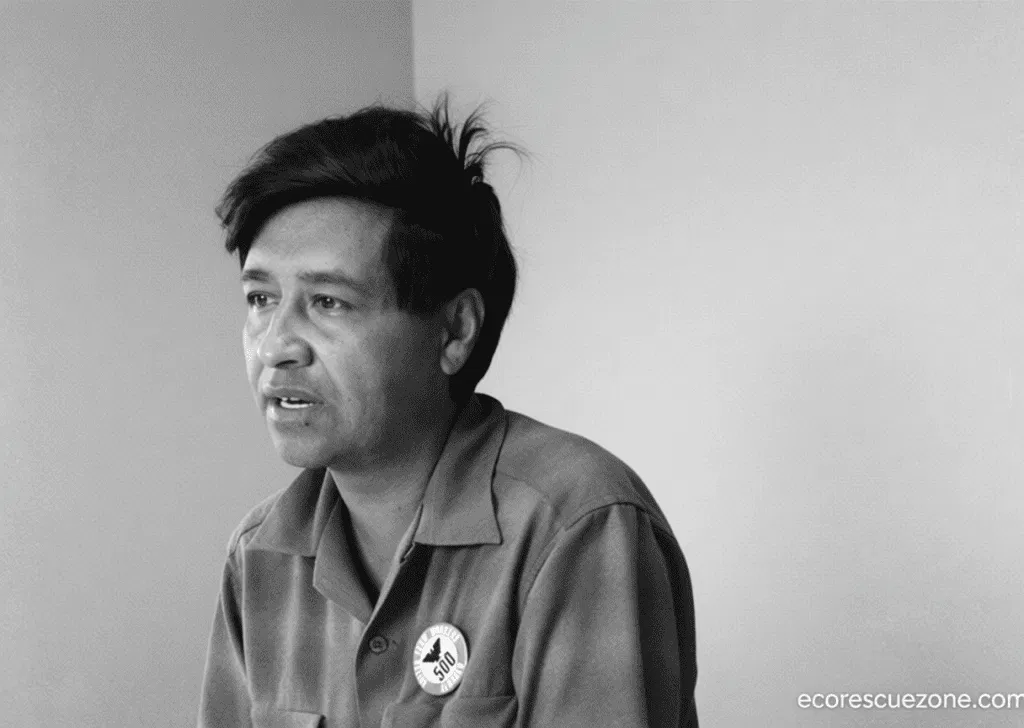
Cesar Chavez Accused of Sexual Abuse, Sparks Controversy in Civil Rights Legacy
The late Cesar Chavez, a celebrated figure in the fight for labor rights, is now facing accusations of sexual misconduct involving girls and women during the 1960s and 1970s. These claims, which emerged recently, challenge the image of Chavez as a moral leader in the civil rights movement. Dolores Huerta, his co-founder and a key figure in the United Farm Workers, shared her personal experiences in a statement. She recounted two incidents, stating that Chavez once manipulated her into intimacy and later raped her. “He was someone I admired, my boss, and the leader of the movement I had committed myself to,” Huerta explained. “I felt unable to refuse because of the respect I had for him. The second time, I was forced and trapped in a situation where I couldn’t escape.”
Investigation Unveils Wider Pattern
The New York Times published an in-depth report Wednesday, detailing allegations from Huerta and two other women. The victims were reportedly 12 and 13 years old when they first experienced abuse. The investigation drew on over 60 interviews, including conversations with former aides, family members, and UFW members. Union records, private emails, photographs, and audio from board meetings were also analyzed to support the claims.
Family’s Response to the Claims
Chavez’s family expressed shock and sorrow, calling the accusations “deeply painful” and acknowledging the harm done to survivors. They reiterated their commitment to the causes Chavez championed, such as farmworkers’ rights, while seeking privacy and empathy for the families affected. “We honor the voices of those who speak out and support their bravery,” the family said. “Our memories of him remain strong, even as we process this new chapter of his legacy.”
Former Union Leader Shares Personal Reflection
Eliseo Medina, a former UFW board member and longtime ally, described the allegations as a “real shock.” He recalled his close relationship with Chavez and the shared values of the movement. “It’s hard to believe the same man who fought for justice could act in ways that contradict those principles,” Medina said. He noted that he did not know the girls in the story but was aware of their families. “I’m upset for what they endured,” he added.
Survivors’ Stories Emerge
Delia Garcia, a former Kansas labor secretary who was mentored by Huerta, broke down in tears when asked for her response. She affirmed her support for Huerta and other survivors, stating, “This is another reason we must not let people suffer in silence.” Garcia mentioned that her home still displays photos of Chavez and Huerta, but she now plans to remove them. “The man I thought he was is someone else,” she said, reflecting on the impact of the revelations.
A Legacy Under Scrutiny
Cesar Chavez, a Mexican American icon, remains a symbol of the struggle for equality among farmworkers and Latinos. His work inspired generations of activists, and his name is honored in streets and institutions across the U.S. The recent allegations have sparked intense debate, forcing a reevaluation of his contributions and personal conduct. As the community grapples with this new information, the focus remains on balancing his historic impact with the personal accounts of those who claim to have been wronged.
