
Five of Queen Elizabeth II’s most iconic outfits – from new royal exhibit
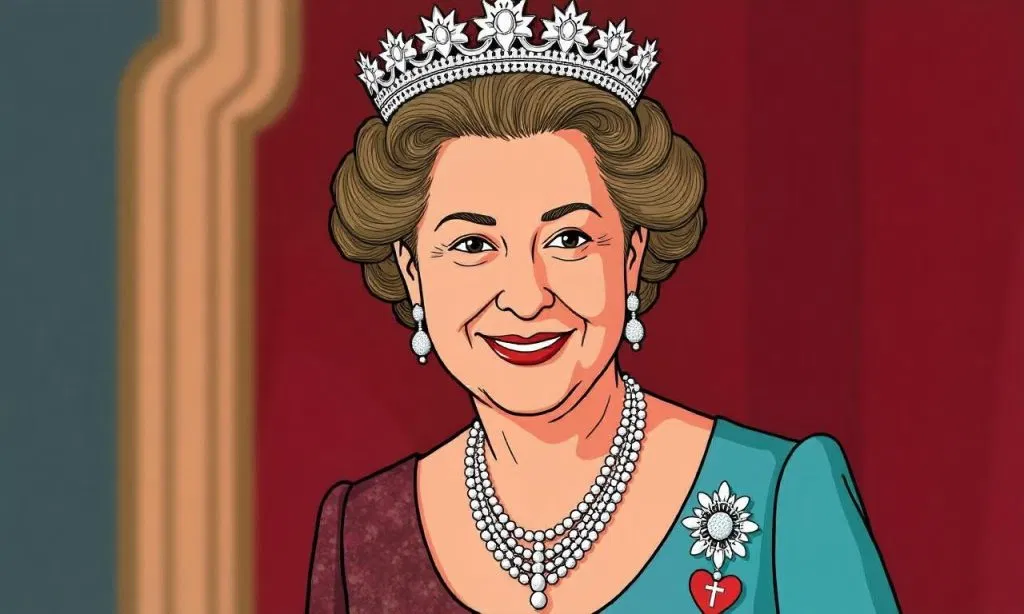
Five of Queen Elizabeth II’s Most Iconic Outfits – From New Royal Exhibit
A new exhibition at The King’s Gallery in Buckingham Palace highlights the evolution of British fashion over a century, marking the centenary of Queen Elizabeth II’s birth on 10 April. The display features 200 items, including clothing, accessories, and ceremonial wear, offering insight into how the nation transformed during her 70-year reign. While her style was often understated, it carried a distinct identity, blending practicality with symbolic messages of diplomacy and tradition.
Britannia’s Traditional Attire
One standout piece is a Harris tweed jacket paired with a Balmoral Tartan skirt, first worn by the Queen in the 1950s. Designed by her longtime dressmaker Norman Hartnell, the ensemble became a defining off-duty look. Though modest, it subtly conveyed stability and national pride, according to royal fashion commentator Marian Kwei. The fabrics were chosen to “promote British fashion, excellence and production,” she explains. “It’s ‘I’m in charge,’ without being too loud about it.” Kwei notes that the traditional aesthetic helped anchor the Queen’s image as a reliable figurehead, even as the world changed around her.
The Coronation Ensemble
The Queen’s 1953 Coronation dress, also crafted by Hartnell, remains a pinnacle of British craftsmanship. Made from Kent silk and adorned with gold bugle beads, diamantés, and pearls, the gown featured floral emblems representing the UK’s four nations. Notably, she requested the inclusion of symbols from other Commonwealth countries, such as Canada’s maple leaf and India’s lotus flower. “The gown was pretty much a nod to Britain and the Commonwealth,” says Kwei. This sartorial choice reflected her role as a unifying figure, as noted by exhibition curator Caroline de Guitaut.
A Global Statement in Green
Another memorable outfit is the 1957 sleeveless green gown worn at a state banquet for US President Dwight Eisenhower. Designed by Hartnell again, its “apple crisp green” hue sparked debate about its symbolism. Kwei suggests it may have subtly referenced American culture, given New York’s nickname and the cultural significance of apples. “It says ‘I’m Britain’s sovereign, this is us, but I’m also nodding to you,’” she adds. De Guitaut acknowledges its divisive nature, calling it “absolutely beautiful” yet unsure of its clear message. The dress was part of a mission to strengthen transatlantic bonds during the Cold War.
Legacy of Royal Fashion
Elizabeth Holmes, an author and royal fashion analyst, emphasizes how the Queen used her attire to redefine her public persona. Early in her reign, she leveraged clothing to “establish herself in a new way, a glamorous young woman on a global stage dominated by men.” Hartnell’s designs, with their fitted waists and flowing skirts, highlighted her femininity, rather than disguising it. The exhibition underscores how these choices shaped perceptions of monarchy and national identity, influencing modern designers like Miu Miu, whose 2024 collection reimagined the Queen’s tartan kilts.
